Skip to content
Menu

A booking made through these earns us a commission from Viator. The price is the same, and the commission had no bearing on what is recommended.

Museum

Black Voices from Harpers Ferry

Last updated

The park exhibit on African American Harpers Ferry, from the armoury town to Storer College. Confirm it is open before you plan around it.

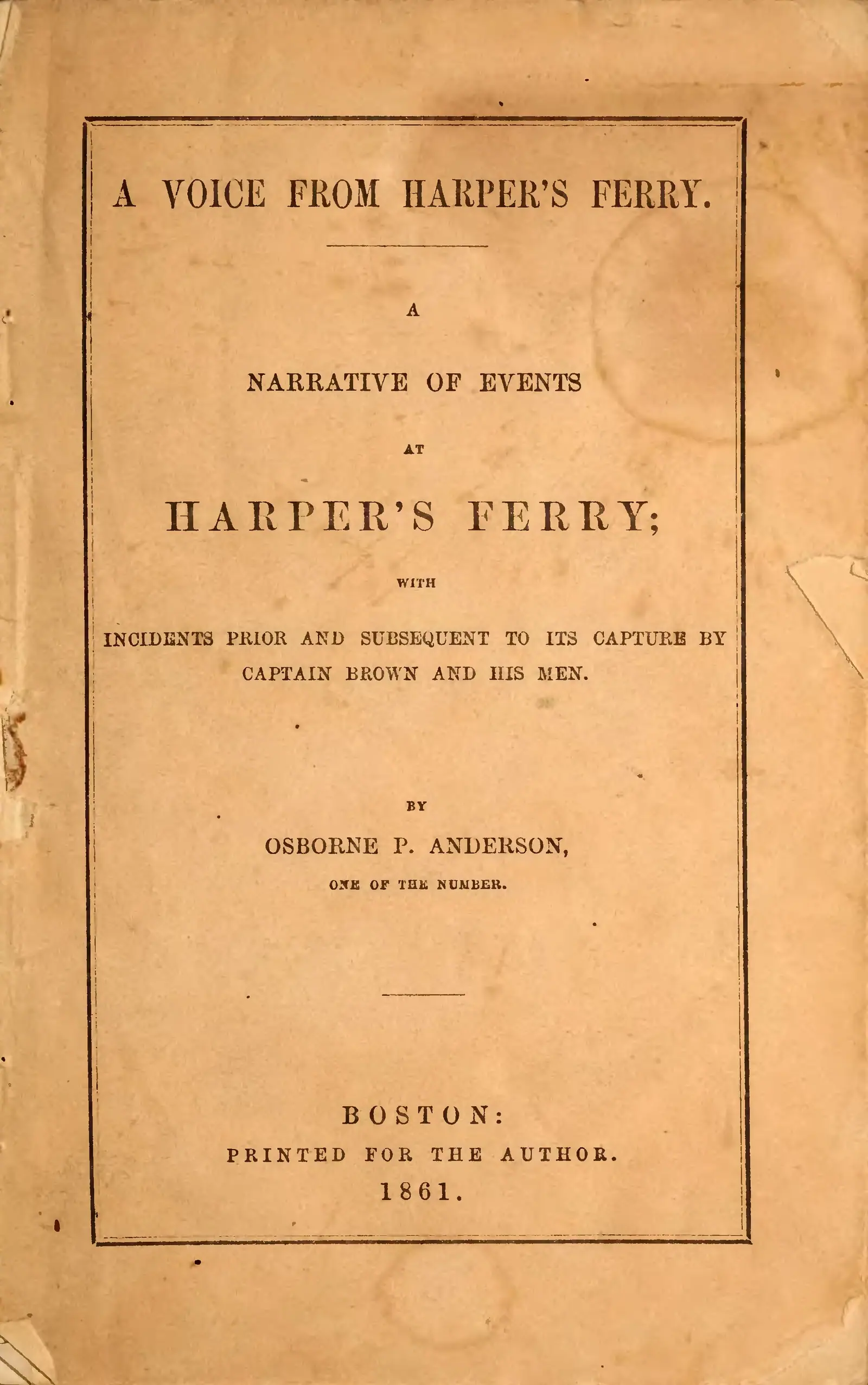
Photo: Osborne Perry AndersonPublic domain

Closed at the moment

This exhibit has been listed as closed on the park's own website, along with the Civil War Museum. Confirm at the visitor center desk before planning around it.

One practical note before anything else: this exhibit has been listed as closed on the park's own things-to-do page, along with the Civil War Museum, and lower-town exhibits here open and shut with staffing and building work. Ask at the visitor center desk on Cavalier Heights before you build an afternoon around it. Everything below is worth knowing whether or not the door is open, because the story it tells is written across the rest of the town.

Black Voices from Harpers Ferry is the park's treatment of African American life here, and it is the necessary counterweight to a town that is otherwise told through one white abolitionist and three days in October 1859. Harpers Ferry was a federal armoury town in a slave state. Enslaved and free Black people lived and worked in it, in the households, the hotels, the mills on Virginius Island and the railroad. The raid was carried out in their name, largely without their participation, and the consequences fell on them hardest.

The first person killed in John Brown's raid was Heyward Shepherd, a free Black man working as a baggage handler for the Baltimore & Ohio, shot at the railroad on the night of 16 October. That fact has been used for a century and a half to argue almost every position available about Brown, and the monument erected near the armoury grounds in 1931 by the United Daughters of the Confederacy and the Sons of Confederate Veterans is one of the more contested objects in the National Park System. The park now interprets it rather than simply displaying it, which is the right call and a hard-won one.

Then comes the part that outlasts the raid. Storer College opened on Camp Hill in 1867 to educate people freed from slavery, admitted students without distinction of race, and in August 1906 hosted the first meeting on American soil of the Niagara Movement, the organisation that became the NAACP. The delegates walked down the hill to John Brown's Fort.

That is the arc this exhibit exists to trace, and it is the reason to give Camp Hill an hour rather than a glance.
Getting there and parking

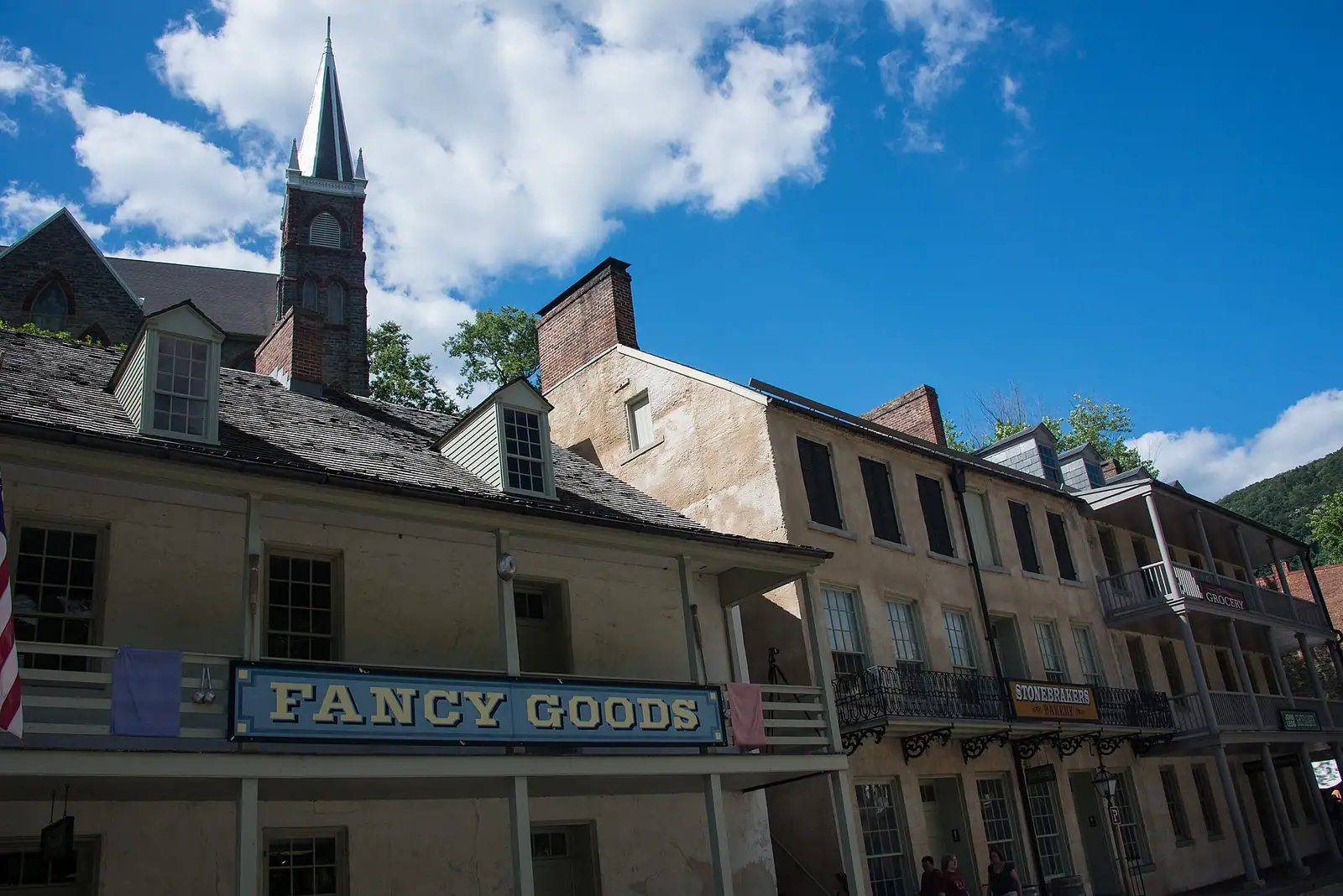
In the lower town, within the cluster of park exhibits reached from the Shenandoah Street shuttle stop. Everything here is within three or four minutes on foot of the bus.

Park at the visitor center on Cavalier Heights, 171 Shoreline Drive, and ride down. Ask at the desk before you board whether this exhibit is open today, because it has been listed as closed and a wasted walk is avoidable.

Arriving by train, you step off on Potomac Street inside the lower town and walk round to Shenandoah Street in a couple of minutes.

Check first: this exhibit has been closed

The park lists its lower-town museums individually, and more than one of them has been shown as closed, including this exhibit and the Civil War Museum. Small park exhibits in historic buildings close for staffing, for conservation work and for repairs, sometimes for a season and sometimes for longer.

How to find out on the day, in order of reliability:

  • Ask at the visitor center desk on Cavalier Heights before you get on the shuttle. The rangers know what opened this morning.
  • Check the park's website in the days before you travel. Closures are posted there.
  • Ask at the lower-town information point. Someone is usually able to tell you which doors are unlocked.

If it is shut, the material is not lost to you. The Camp Hill and Storer College sites are outdoors and open, the Heyward Shepherd monument stands near the armoury grounds, the John Brown Museum on Shenandoah Street covers some of the same ground, and the park's ranger programmes frequently address this history directly. Ask what is running that day.

Do not plan a visit around a single small exhibit anywhere in this park. Plan around the town and take the exhibits you find open.

The history the exhibit covers

Four threads, and they run through the whole town rather than one building.

An armoury town in a slave state. Harpers Ferry was federal property in Virginia. Free Black residents lived and worked here alongside enslaved people hired out by their owners into households, hotels, the mills and the railroad. The armoury workforce itself was largely white, which is part of the story rather than an omission from it.

October 1859 and what it cost. Brown intended to arm an insurrection. It did not come, and in the aftermath free Black residents across the region faced suspicion, restriction and violence. Heyward Shepherd's death at the railroad was the first of the raid, and it has been argued over ever since by people with agendas of their own.

Freedom and the war. The town changed hands repeatedly, and Black refugees from slavery came into Union lines here as they did across the border country. The population that emerged after 1865 was substantially different from the one that went into the war.

Storer College and the Niagara Movement. A college founded in 1867 for people freed from slavery, which lasted until 1955 and put Harpers Ferry at the centre of the early civil rights movement in 1906. That is the thread most visitors never hear, and it is the most consequential.

The Heyward Shepherd monument and the argument over it

Near the armoury grounds stands a stone erected in 1931 by the United Daughters of the Confederacy and the Sons of Confederate Veterans to Heyward Shepherd, the free Black railroad baggage handler killed on the first night of the raid.

The dispute is not about whether he died. It is about what the monument was for. Erected seven decades after the event, at the height of the Lost Cause monument-building period, its inscription was read at the time and since as an attempt to enlist a dead Black man in an argument about the loyalty of enslaved people to the South. Storer College faculty and the NAACP objected when it went up. W. E. B. Du Bois drafted a counter-text. The stone was later boarded over for a period, and the argument about how to handle it ran for decades.

The park's current approach is to leave it standing and interpret it: to explain who erected it, when, and why, so that a visitor understands they are looking at a document of 1931 as much as a memorial to 1859.

That is a more useful thing to encounter than a removed stone would be, and it is one of the clearest examples anywhere in the park system of a site explaining its own commemoration rather than just its own history. Read the panels next to it, not just the inscription on it.

Where to follow this thread through the town

If you want the fullest version of this history in a day, walk it in this order.

  1. The lower town exhibits, whichever are open, for the armoury town and the raid.
  2. The Heyward Shepherd monument near the armoury grounds, with the interpretive panels beside it.
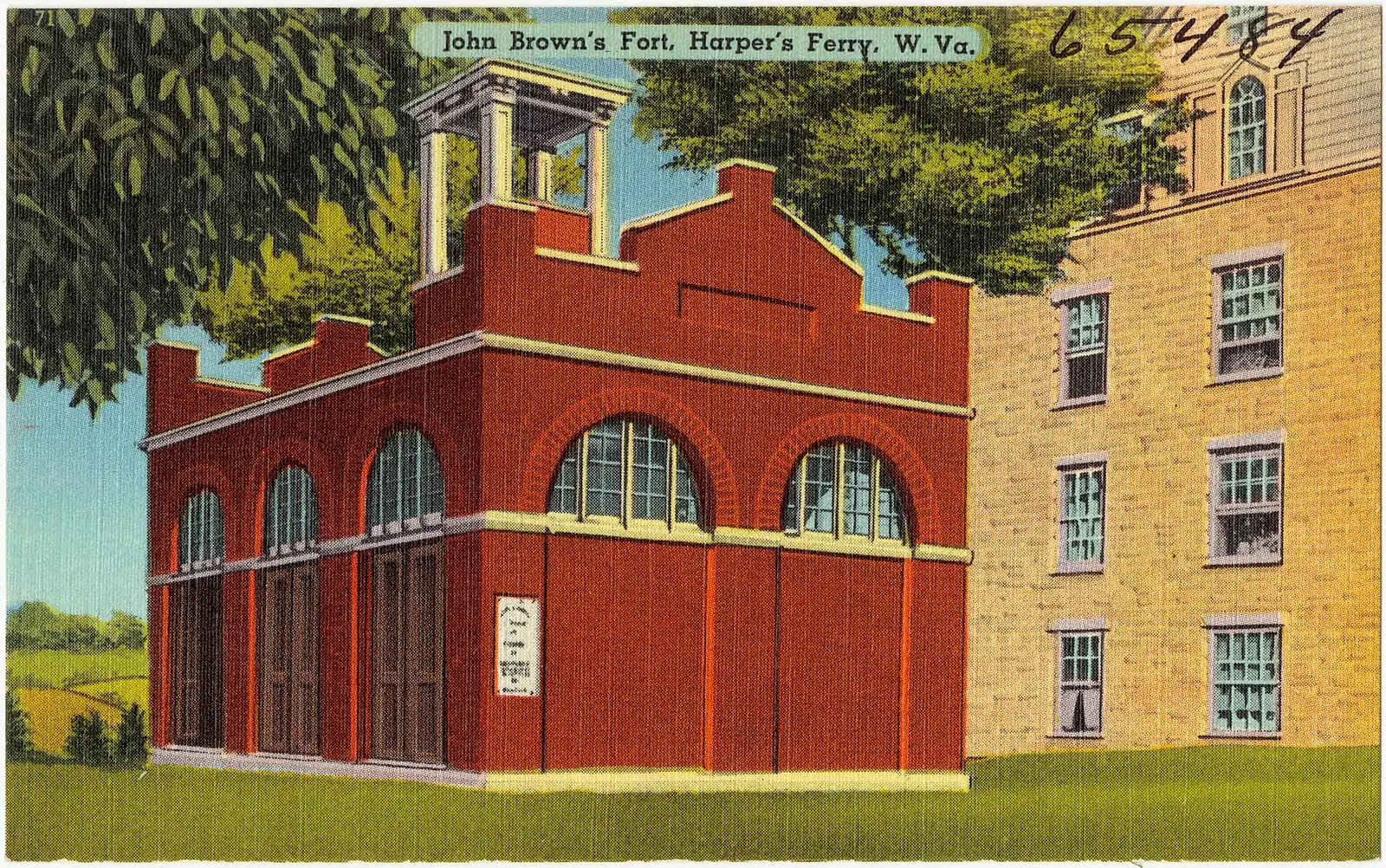
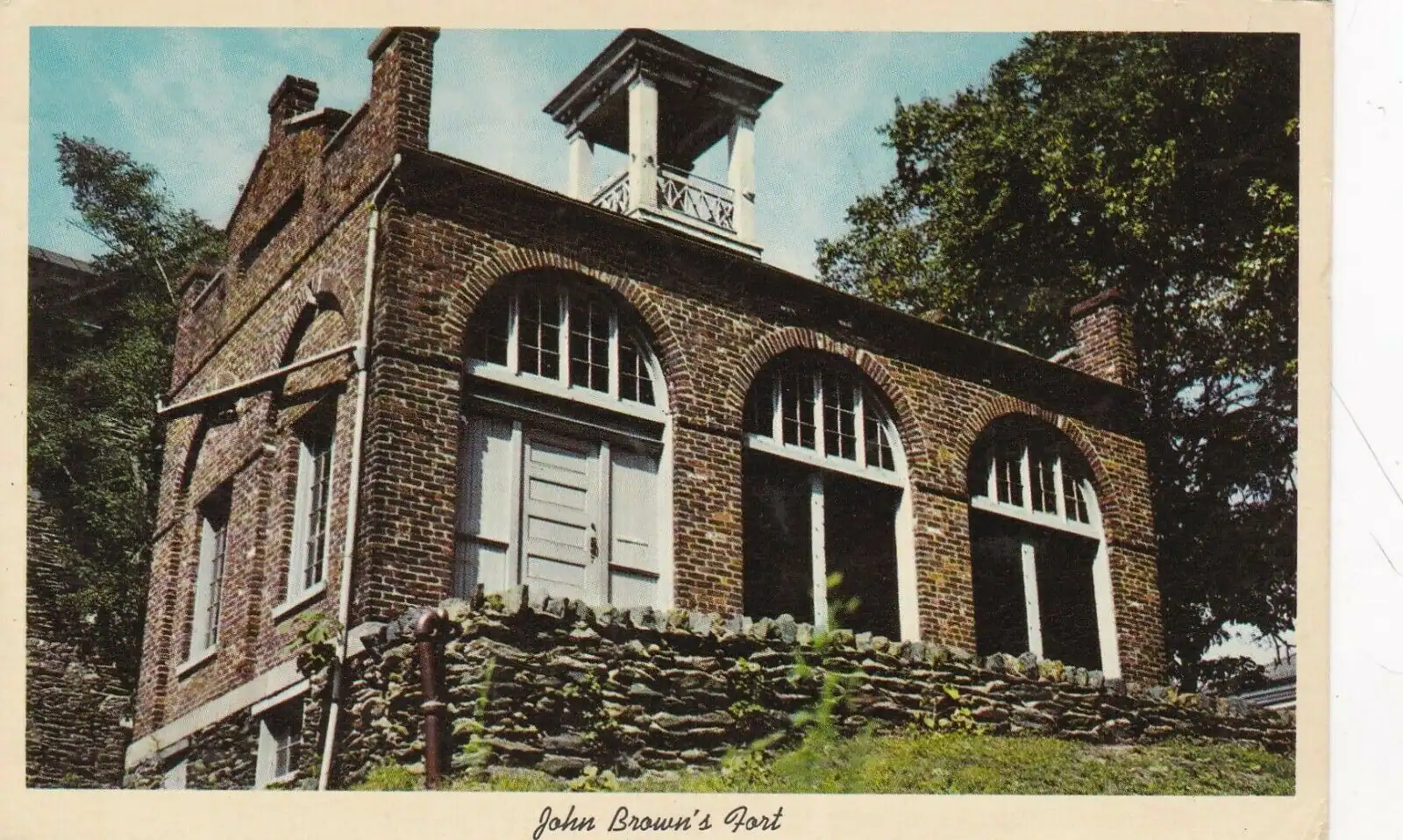
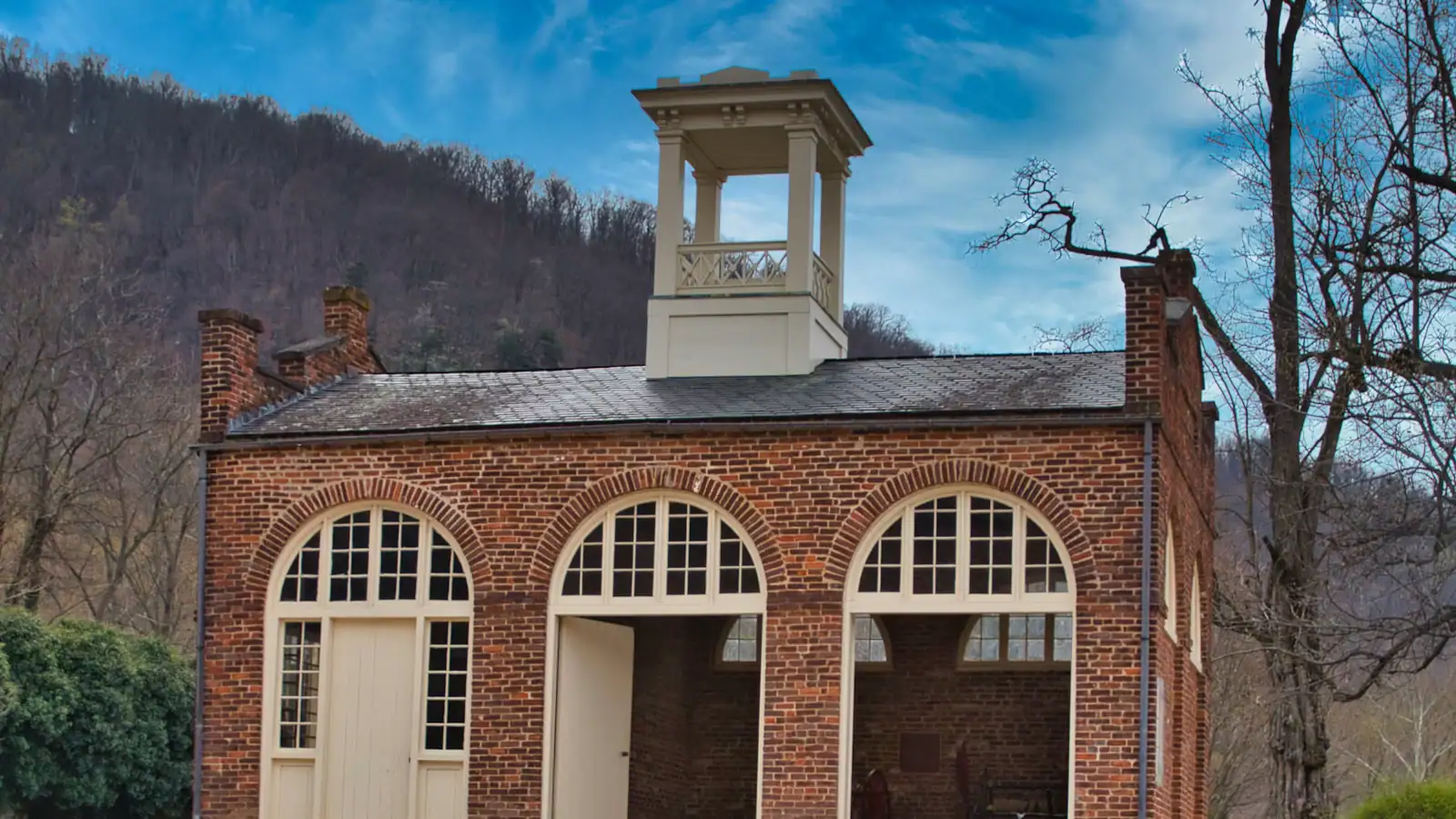
  3. John Brown's Fort, remembering that it is the armoury's fire engine house and does not stand where the raid happened. It was dismantled for the 1893 Chicago exposition, returned to a farm outside town in 1895, moved to the Storer College campus in 1909, and set on its present site in 1968 about 150 feet from the original ground, which now lies under a railroad embankment.
  4. Camp Hill and the Storer College campus, up the stone steps past Jefferson Rock or by road from Bolivar. Lockwood House, the campus buildings, and the ground where the Niagara Movement met in 1906.
  5. Ask about ranger programmes. This is the material rangers here are most engaged with, and a good talk beats any exhibit panel.

Allow a full morning for the sequence. Most visitors do steps one and three and leave, which is how a town with this history ends up being remembered for three days in 1859.

Near Black Voices

Straight-line distances, so allow more on the road — the island is long and has one main parkway.

  • A street of nineteenth-century shopfronts with stone kerbs running between them

    Historic site

    Shenandoah Street

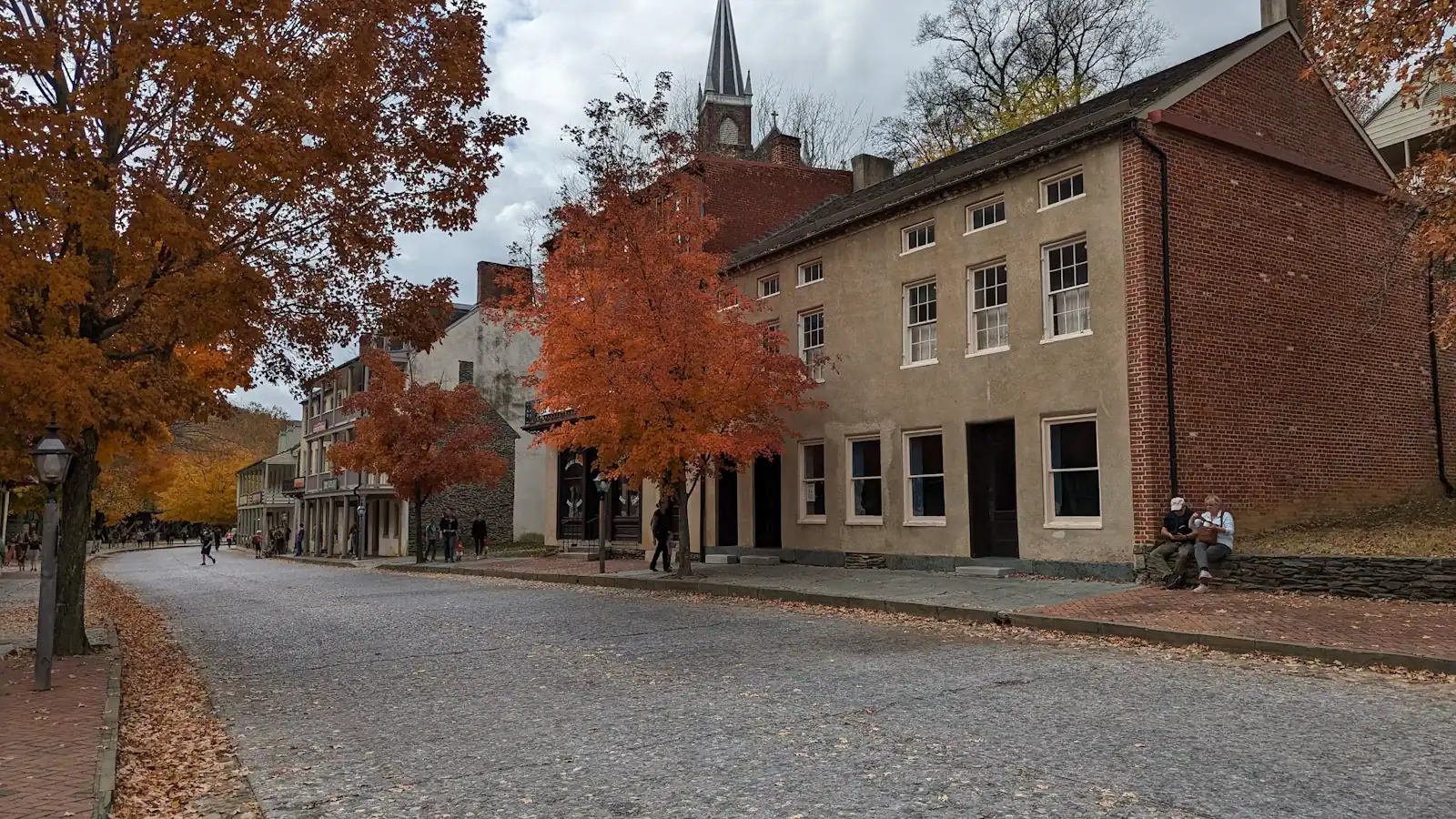
    The one level street in the lower town: park museums door by door, the shuttle stop, and the restored shopfronts of an 1860s street.

    1–2.5 hoursIncluded with park entrance; the museums along the street carry no separate charge280 ft away

  • A squat brick building with a small square tower and an arched doorway, standing alone on open ground

    Historic site

    John Brown's Fort

    An 1848 fire engine house, the only armoury building to survive the war, and it does not stand where any of this happened.

    10–30 minutesCovered by the park entrance fee; no separate charge300 ft away

  • A whitewashed stone-walled house on a steep bank, its garden held up by a dry stone retaining wall

    Historic site

    Free

    Storer College

    A college founded to educate people who had been enslaved, closed in 1955 by the consequences of a civil rights victory.

    0.5–1.5 hoursFree; covered by the park entrance fee charged on your vehicle0.3 mi away

  • A whitewashed stone-walled house standing on a steep bank above a dry stone retaining wall

    Neighbourhood

    Camp Hill

    The terrace above the lower town: Storer College, the 1906 Niagara Movement meeting, and the view without the queue.

    1–1.5 hoursIncluded with park entrance; the grounds carry no separate charge0.4 mi away

Black Voices: common questions

Is the Black Voices exhibit at Harpers Ferry open?

It has been listed as closed on the park's own website, alongside the Civil War Museum, and lower-town exhibits here open and shut with staffing and building work. Ask at the visitor center desk on Cavalier Heights before you take the shuttle down, or check the park's website in the days before you travel. If it is shut, Camp Hill, the Storer College campus and the Heyward Shepherd monument are all outdoors and open.

Who was Heyward Shepherd?

A free Black man working as a baggage handler for the Baltimore & Ohio Railroad at Harpers Ferry, and the first person killed during John Brown's raid, shot on the night of 16 October 1859. A monument to him was erected near the armoury grounds in 1931 by the United Daughters of the Confederacy and the Sons of Confederate Veterans. It has been contested ever since, and the National Park Service now interprets it in context rather than displaying it unannotated.

What is the African American history of Harpers Ferry?

It runs from before the raid to well after it. Harpers Ferry was a federal armoury town in a slave state, with free Black residents living alongside enslaved people hired into households, hotels, mills and the railroad. After the Civil War, Storer College opened on Camp Hill in 1867 to educate people freed from slavery, and in August 1906 it hosted the Niagara Movement's first meeting on American soil, the organisation that became the NAACP.

Where can I learn about Storer College at Harpers Ferry?

On Camp Hill, above the lower town, where the campus itself is now part of the national historical park and can be walked at any time the park is open. Reach it up the stone steps past St Peter's and Jefferson Rock, or by road from Bolivar. Interpretive panels cover the college's founding in 1867, its closure in 1955 and the 1906 Niagara Movement meeting. Ranger programmes often cover this material directly.