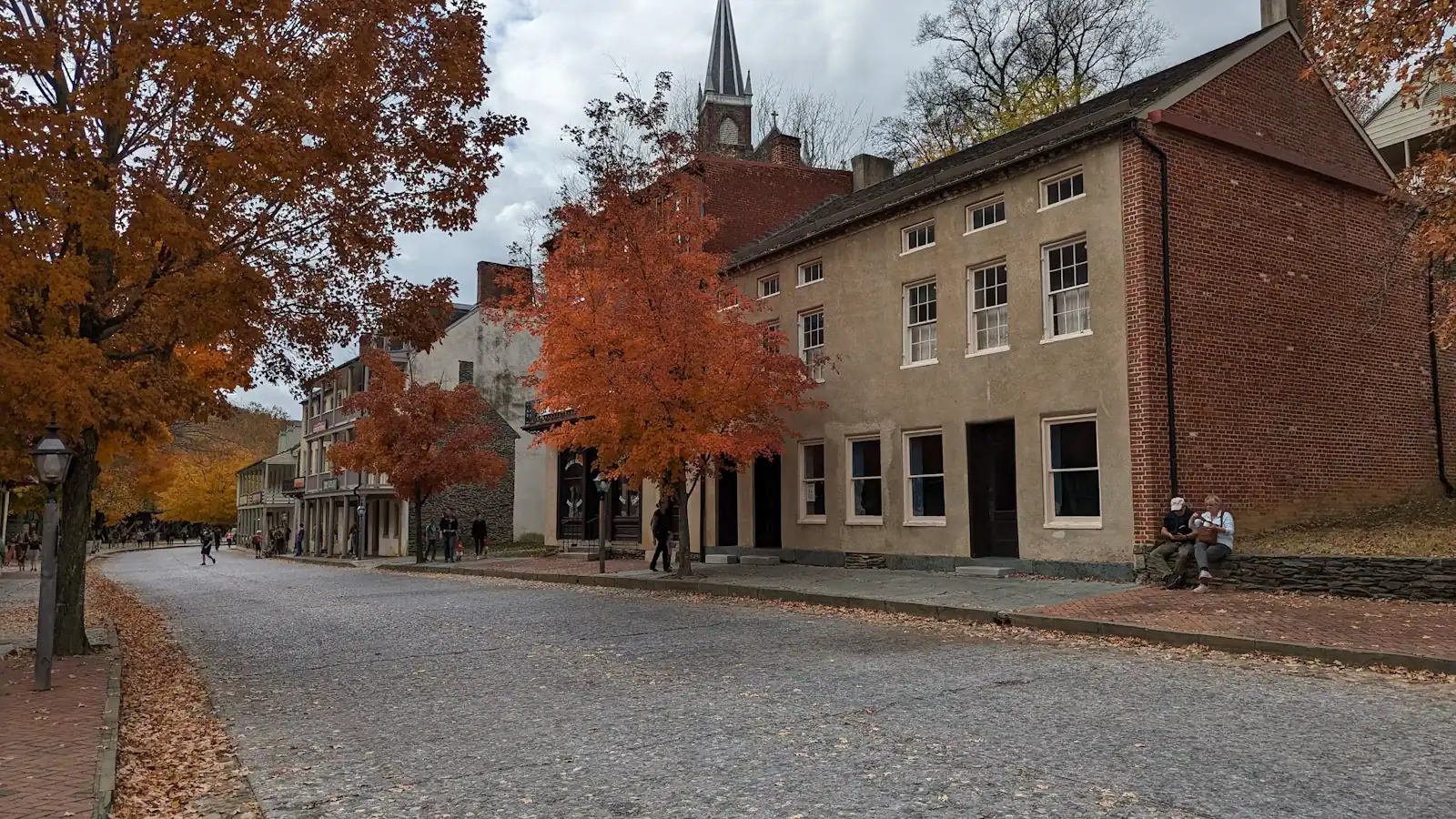
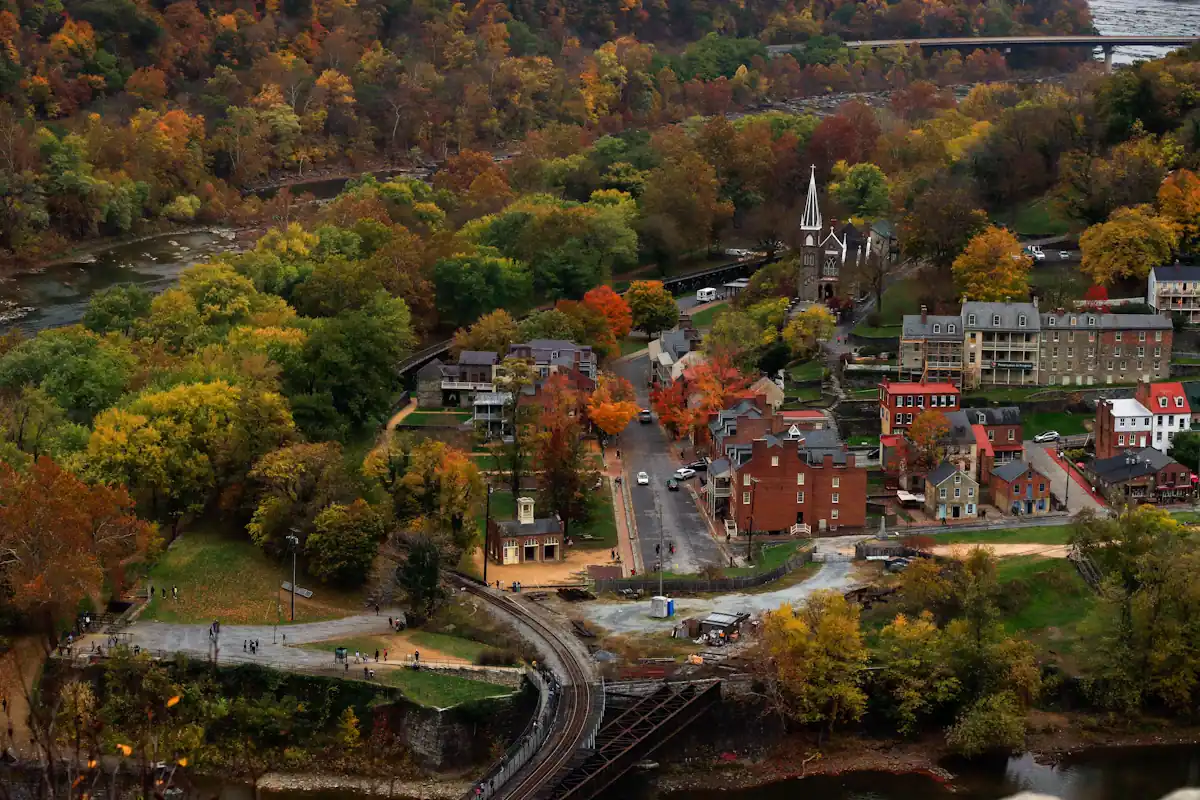
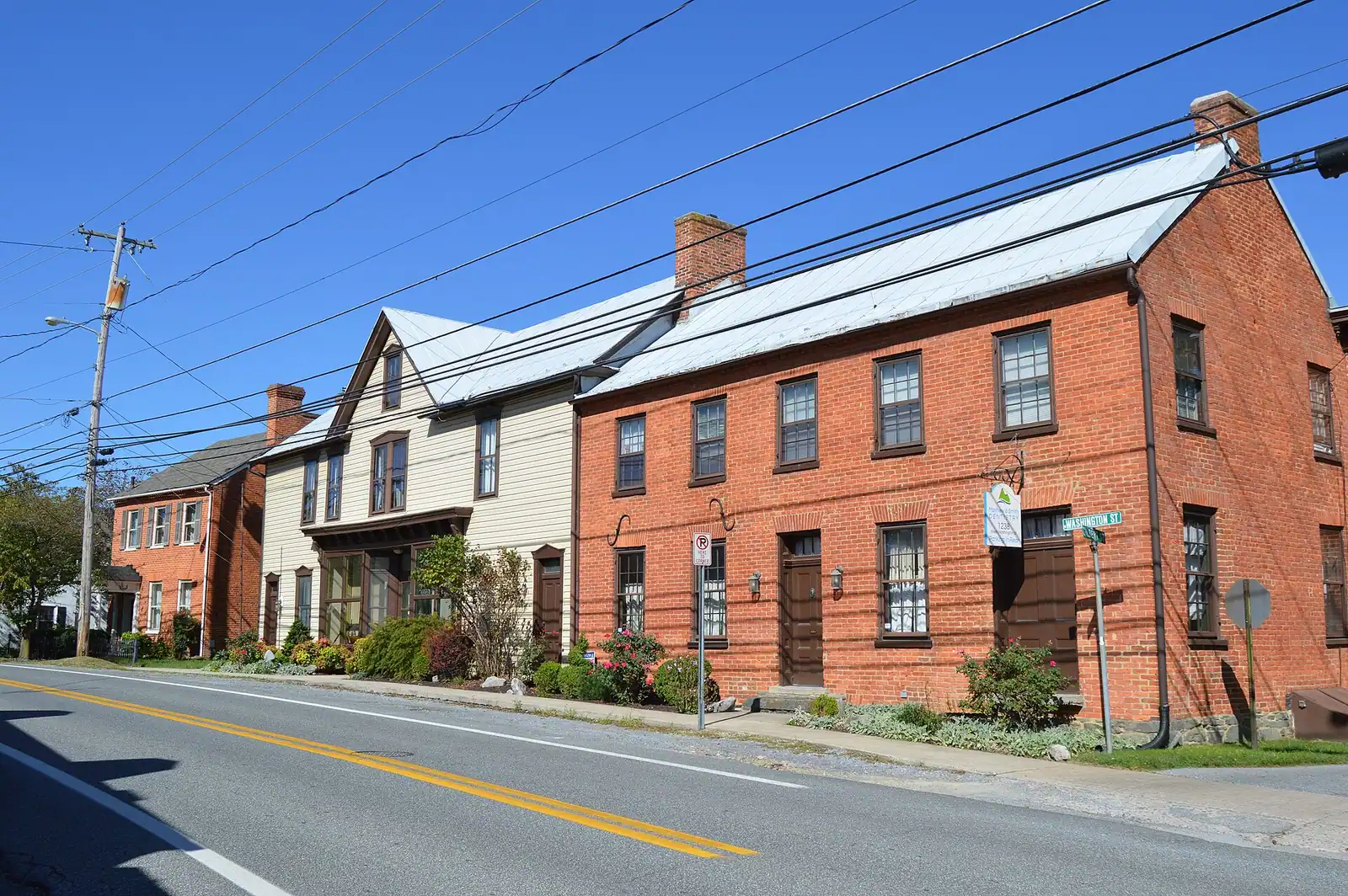
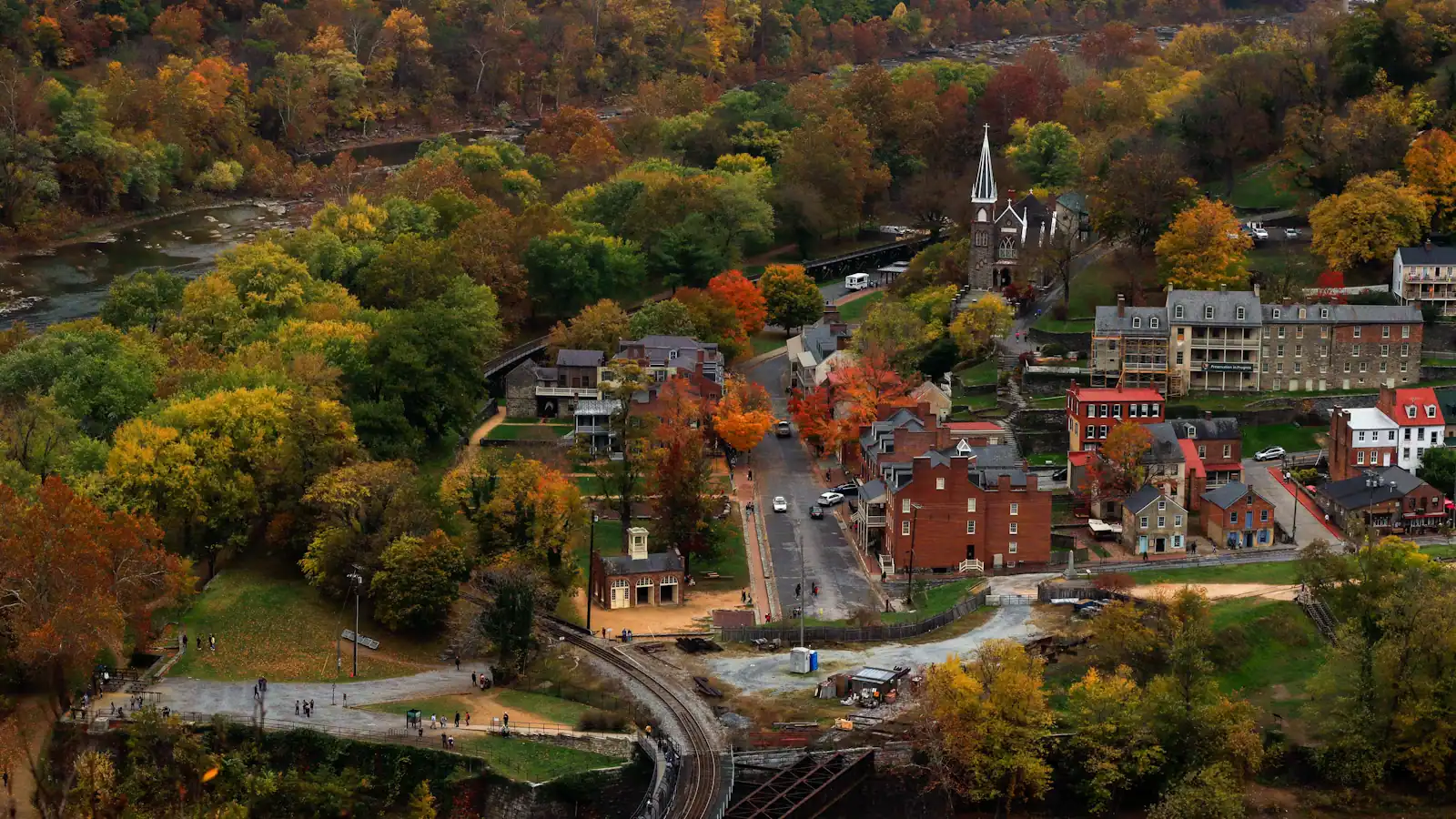
Learn one thing before you set off and the rest of the day looks after itself: you do not drive into the lower town. The streets that John Brown's raiders walked down are eighteen feet wide between stone kerbs, they belong to residents and deliveries, and the National Park Service has spent decades building a system to keep visitors out of them. Everything below follows from that.
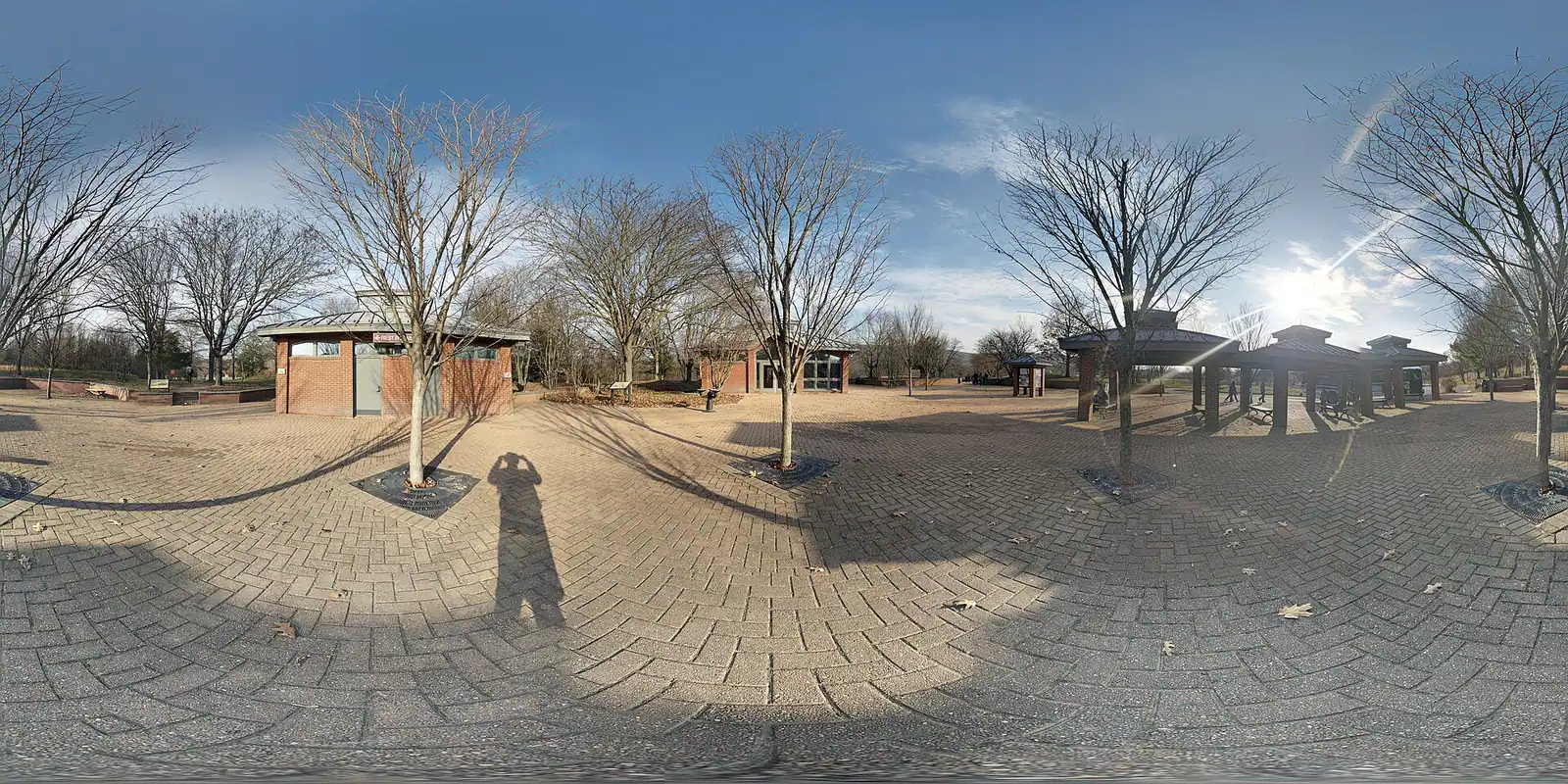
The system is a lot and a bus. The park's main parking area sits up on Cavalier Heights at 171 Shoreline Drive, immediately off US 340, along with the visitor center, the restrooms, the fee station and the rangers. From there a shuttle runs down into the lower town every ten to fifteen minutes on every day the park is open. First bus at nine in the morning. Last bus back up from the lower town at seven in the evening while daylight saving time is in force, and half past five once the clocks go back. There are two stops on the whole route, so it is not a thing you can get wrong. Riding it costs nothing beyond the entrance fee you have already paid, and the buses carry ramps or lifts.
The trap is your phone. The park says so on its own directions page: navigation apps routinely send people to the town of Harpers Ferry rather than the park, or straight down into the lower town where the parking is not, or to the headquarters building, which is an office. Type the Shoreline Drive address in before you leave, and when the map argues with you at the US 340 stoplight, ignore it.
Then the money, which is simpler than most national parks and has one sharp edge. At the time of writing entrance is $20 for a private vehicle, $15 for a motorcycle, or $10 a head if you walk or cycle in, each valid three consecutive days, with under-16s free. A park annual pass is $35 and the America the Beautiful passes are accepted. The sharp edge: this park does not take cash. Pay online before you arrive or by card at the station, and do not turn up with a wallet full of notes expecting a lane for them.
Everything else on this page is detail — which approach road to use, what the train can and cannot do for you, where the Maryland Heights hikers actually park, and what to do if steps and switchbacks are not an option. But if you only read four paragraphs, they were the ones above.