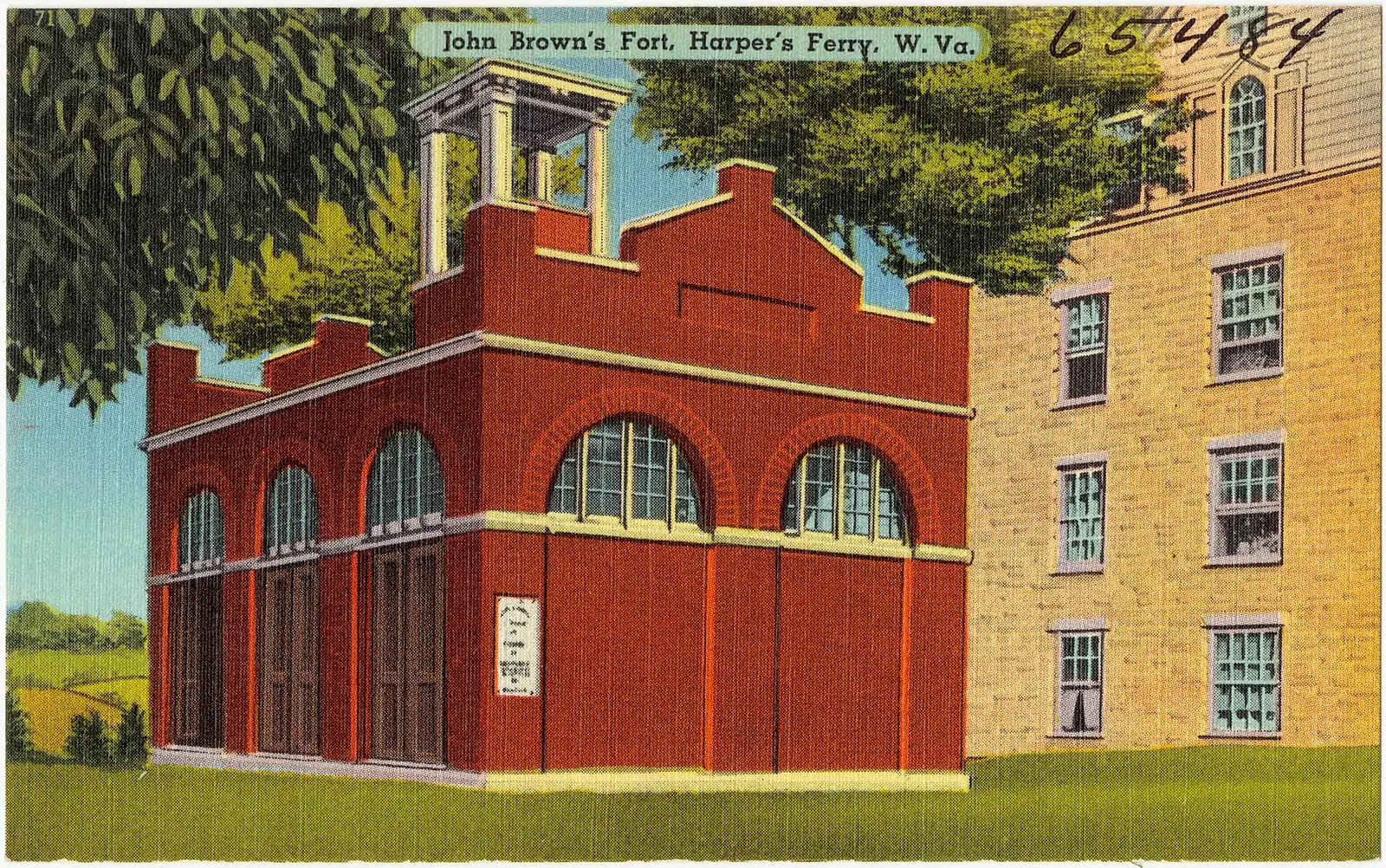
Historic site
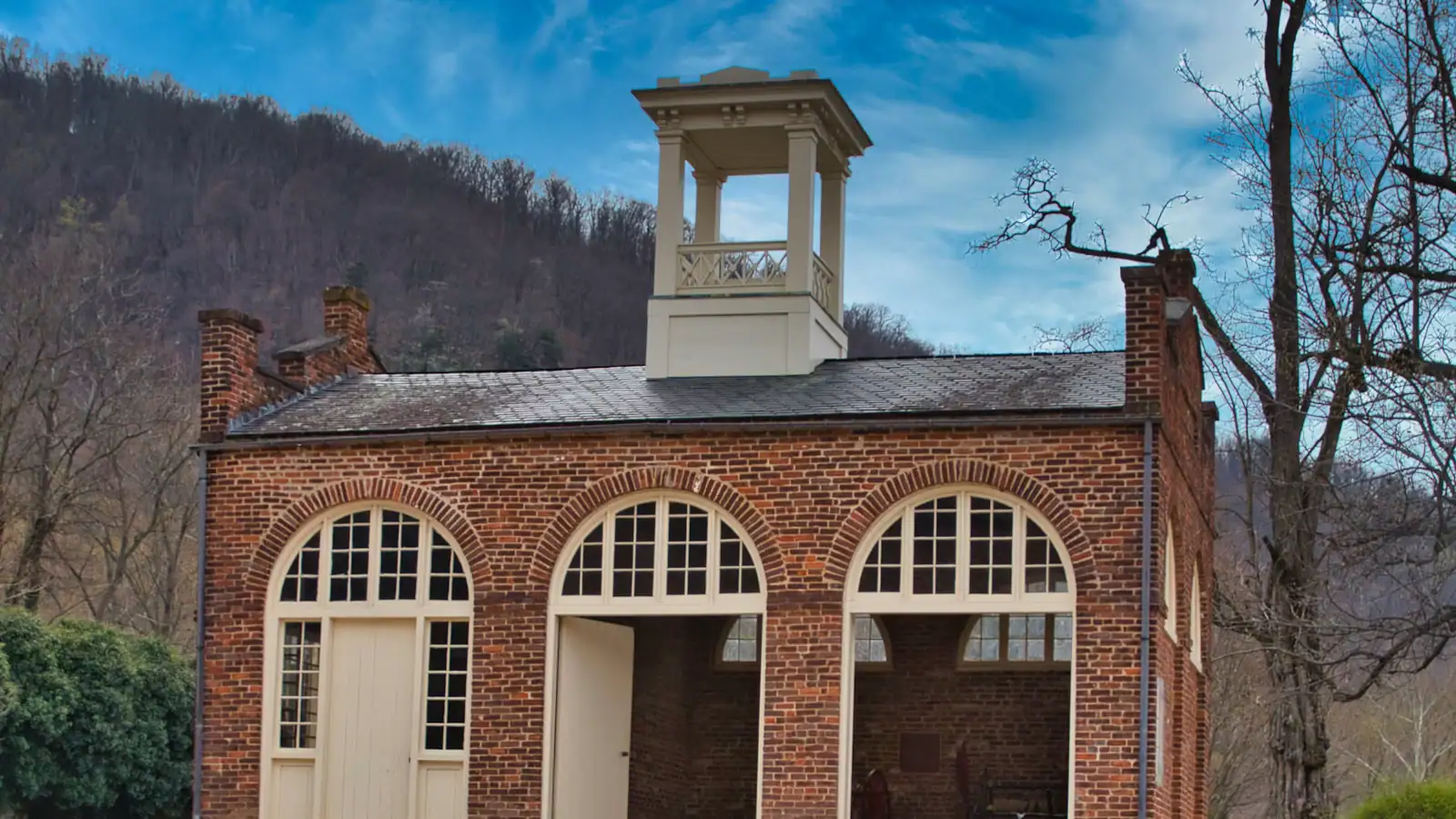
John Brown's Fort
An 1848 fire engine house, the only armoury building to survive the war, and it does not stand where any of this happened.
10–30 minutesCovered by the park entrance fee; no separate charge
A booking made through these earns us a commission from Viator. The price is the same, and the commission had no bearing on what is recommended.
Things to Do
The park's one-room exhibits on Shenandoah Street, the John Brown Museum, Black Voices and Storer College — what each Harpers Ferry museum actually holds.
 Unsplash
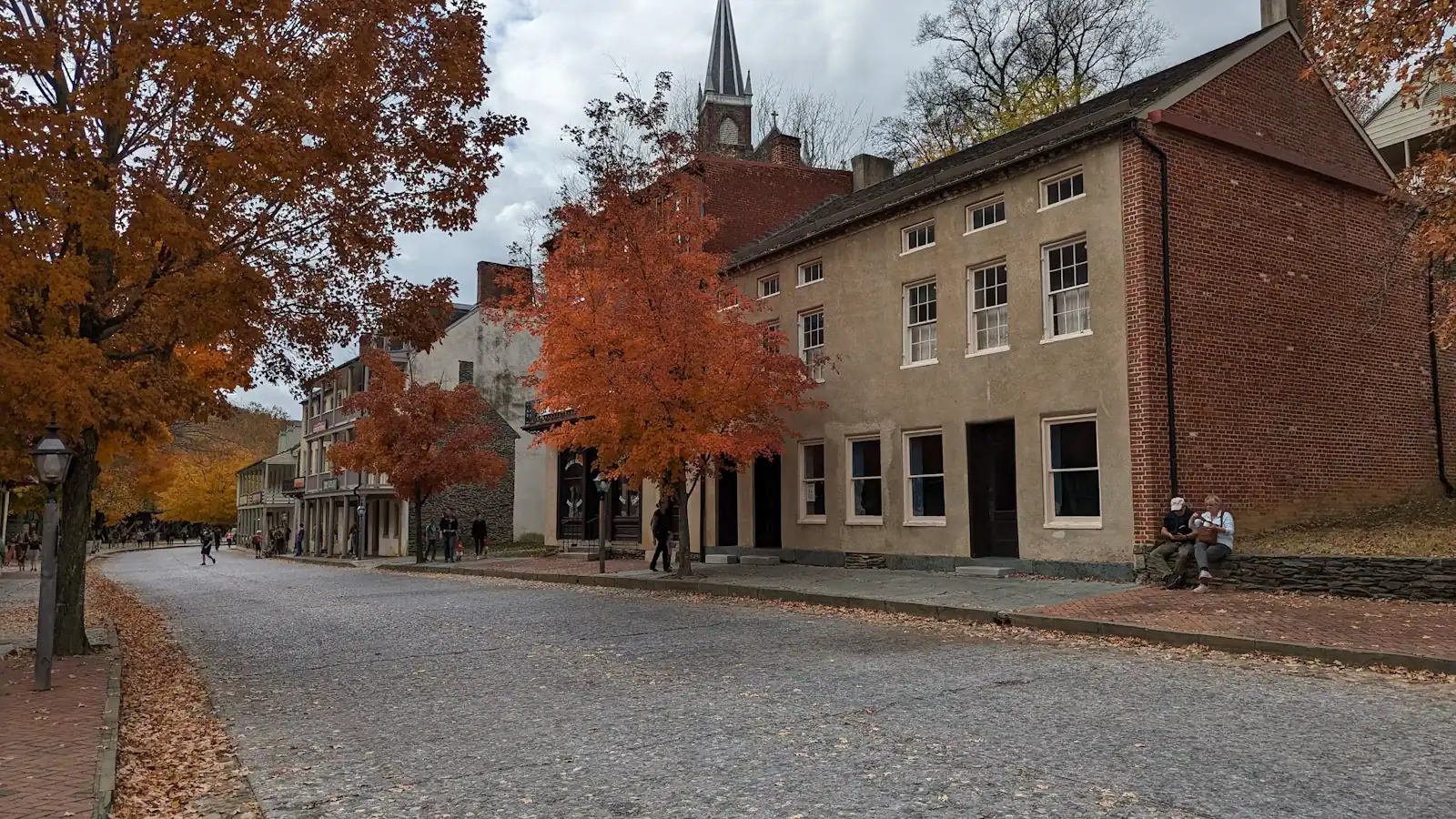
Adjust the expectation before you arrive and this becomes one of the best hours in the park. There is no Harpers Ferry Museum. There is no hall with a collection, a cloakroom and a café. What there is instead is a run of restored shopfronts and dwellings along Shenandoah Street and the bottom of High Street, each holding a single room of interpretation on one subject, all of them included in the entrance fee you have already paid, all of them keeping the same nine to five.
The format is deliberate and it suits the place. You walk fifty yards, step through a door into a room about the size of a large kitchen, read four or five panels and look at a case of objects, and step back out into the street where the thing you have just read about happened. The Industry room stands on the ground the armoury occupied. The Provost Marshal's office is a provost marshal's office. The room on the 1859 raid is a few paces from the engine house the Marines broke into. Nothing is far from its subject, which is a luxury no purpose-built museum has.
The trade-off is that the whole thing is fragile. These are nineteenth-century buildings in a floodplain with a 36-foot record crest, and they take damage and then wait for money. Several are usually shut. When we checked in September 2026 the Civil War Museum, the Black Voices exhibit, the Harper House and the Master Armorer's Quarters were all closed for repairs, while others were open. That list will look different by the time you read it, in either direction, and the only reliable source is the park's own alerts page on the morning you travel.
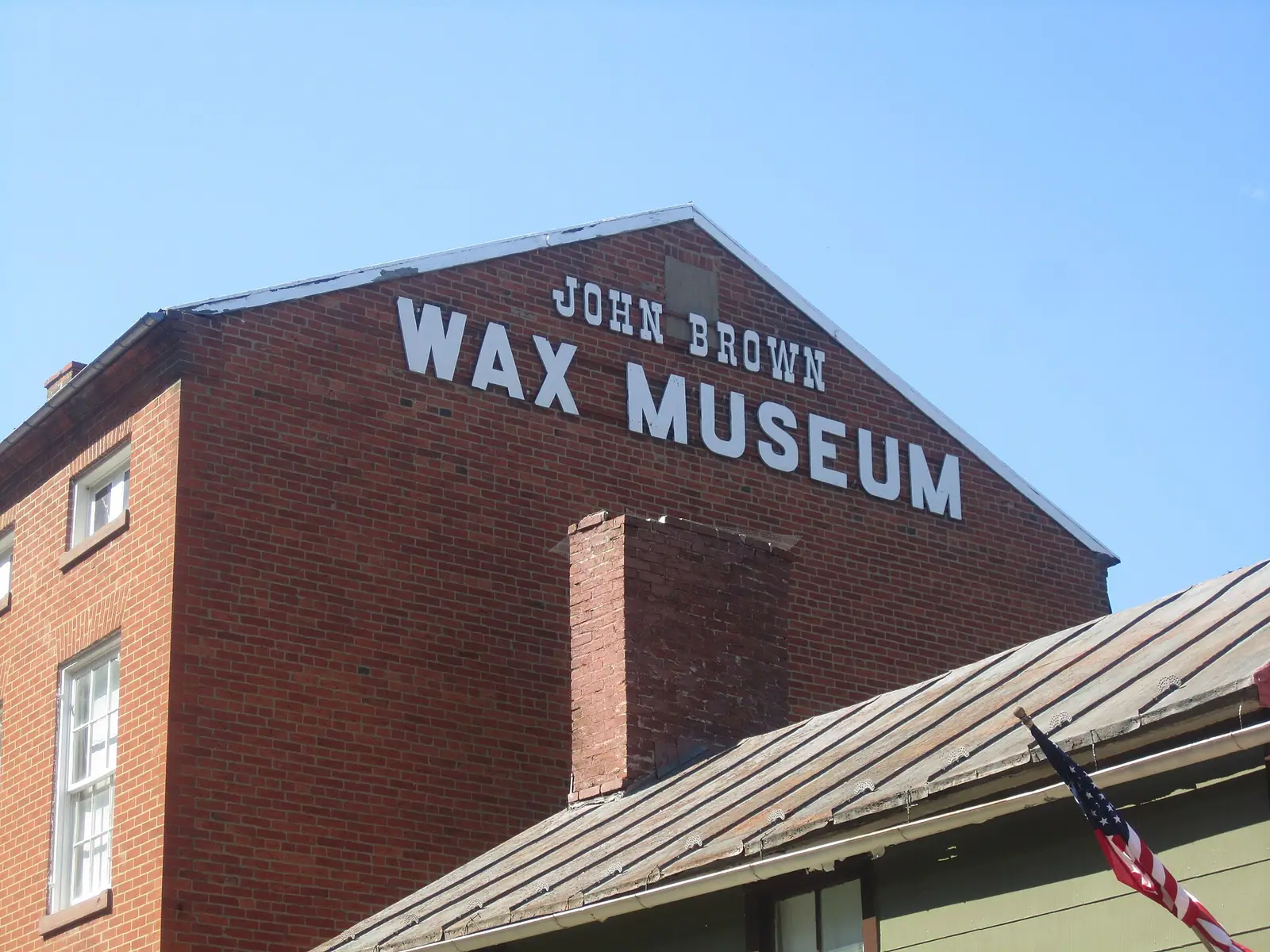
Two more things belong on this page that are not the park's. Up High Street, outside the fee area, a privately run wax museum has been telling the John Brown story with static figures and narration since the 1960s, and charges its own admission — it is a period piece in two senses, and children either love it or are unsettled by it. And the Appalachian Trail Conservancy's visitor centre on Washington Street is free, has a proper relief map of the whole trail and a collection of hiker photographs going back decades, and functions as a small museum whether or not it calls itself one.
Budget ninety minutes to two hours for the park's rooms if you read them properly, and be honest with yourself about whether you will. Most people manage four buildings and walk past eight.
Everything the park runs indoors is included in your entrance fee. There is no second ticket, no timed entry and nothing to book. The rooms open at nine and close at five, which is the tightest constraint on an indoor day here, because sunset closes the trails in winter long before but the buildings shut at the same hour all year.
Most rooms are small enough that six people constitute a crowd and a school group fills them completely. On an October Saturday you will queue for a doorway. Midweek you will often have a room to yourself.
The buildings run in two clusters. Shenandoah Street, the flat street along the water, carries most of them and is where the level walking is. The bottom of High Street, where it climbs away from the junction, carries several more in a short row. Neither cluster is more than a few minutes from the shuttle stop.
Photography without flash is generally fine. Bags are not searched, there is no cloakroom, and there is nowhere to leave a pack — which matters if you have arrived off the trail, because you will be carrying it through every doorway.
One practical note that catches people: the lower-town restrooms keep the same nine-to-five as the exhibits. Outside those hours the nearest facilities are up the hill at the visitor centre.
 Unsplash
The park's principal exhibit on the raid sits on Shenandoah Street, a few minutes' walk from John Brown's Fort itself, and it is the one room to see if you only see one. It covers the plan, the men who came with him, the night of 16 October 1859, the Marines' assault on the morning of the 18th, the trial at Charles Town and the hanging on 2 December — and, more usefully than most treatments, the argument about Brown that started immediately and has never stopped.
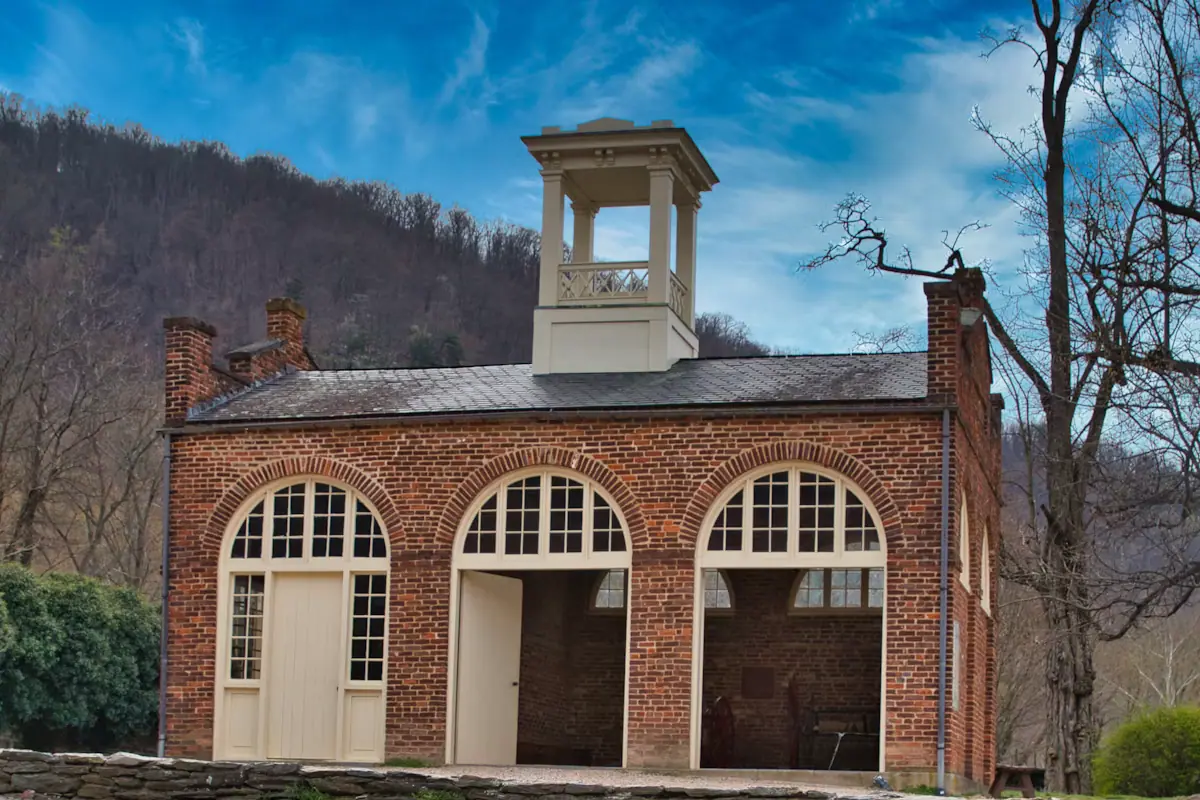
Take the two together and in the right order: the room first, then the building. The exhibit will have told you that ten of Brown's party died, that two of them were his sons, and that the Marines were through the doors in about three minutes. Standing in front of the engine house afterwards, the relevant fact is how small it is. Twenty-two people were not besieged in a hall. They were in a room.
Then walk fifty paces further, toward the railway, and find the stone obelisk on the lawn. That is where the building stood in 1859. The Baltimore and Ohio put an embankment across the original ground in the 1890s, the fort has been dismantled and re-erected four times since, and the version you photographed is about 150 feet from where the raid happened. The park does say this. It says it quietly, on a panel, and almost nobody reads it.
 Unsplash
These are the two pieces of interpretation most visitors miss, and they are the reason to give this town a second hour rather than a second photograph.
Black Voices: African American History is the park's exhibit on the Black experience at Harpers Ferry — enslaved people hired out to the federal armoury, the free Black community that lived and worked here before the war, Hayward Shepherd, and what freedom looked like in this valley afterwards. It was closed for repairs when we checked in September 2026. Ask at the visitor centre whether it has reopened; if it has, put it above everything else on your list.
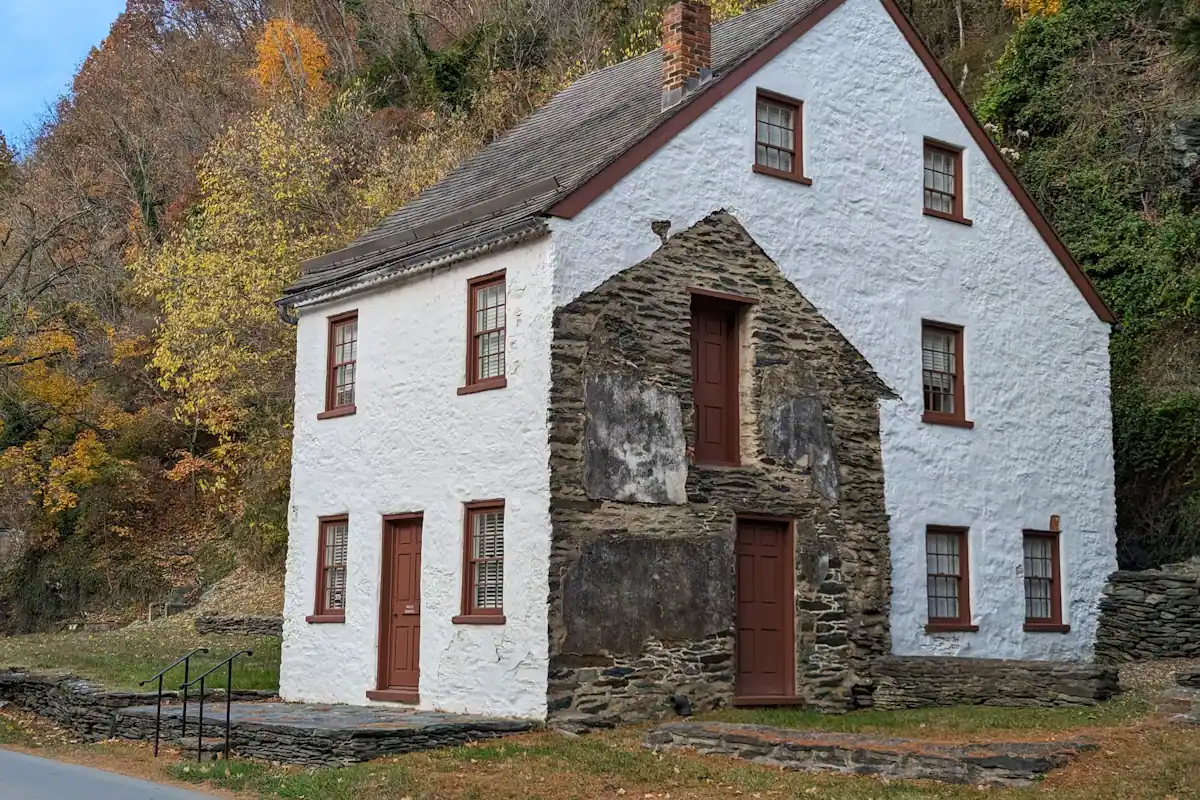
Storer College and the Niagara Movement is interpreted up on Camp Hill, on the campus itself rather than down among the shopfronts, which means a climb of stone steps to reach it. The college opened in 1865 as a schoolroom for freed people, was chartered within a few years over hard local opposition, and ran until 1955. In August 1906 the Niagara Movement — Du Bois and the group that would help found the NAACP — held its first meeting on American soil here, and walked down to John Brown's Fort at dawn on the closing day. The fort was standing on this campus at the time.
The buildings are working Park Service offices now, home to the Stephen T. Mather Training Center, so this is outdoor interpretation on open ground rather than a room you enter. Go anyway. Twenty minutes on Camp Hill changes the shape of the day.
Before Lewis and Clark went west, Lewis came here. In the spring of 1803 he spent several weeks at the Harpers Ferry armoury, drawing rifles and tools and ammunition for the expedition and supervising the construction of one genuinely strange object: a collapsible iron boat frame of his own design, meant to be carried overland and then covered with hides to make a vessel on the far side of the mountains.
The armoury built it. Lewis was pleased with it. It was hauled across the continent to the Great Falls of the Missouri in 1805, assembled, skinned with elk and buffalo hides — and then leaked so comprehensively that the party abandoned it on the riverbank and made dugout canoes instead.
The park interprets the episode, and it is worth ten minutes for two reasons. It is a reminder that this was a federal manufacturing centre of national importance for sixty years before it was a symbol of anything, the place you went when the government needed something metal made properly. And it is one of the few stories in this town that ends in farce rather than in blood, which after an hour on the raid is not nothing.
Whether the exhibit is open on the day you visit is a different question. Ask at the visitor centre desk when you buy your pass.
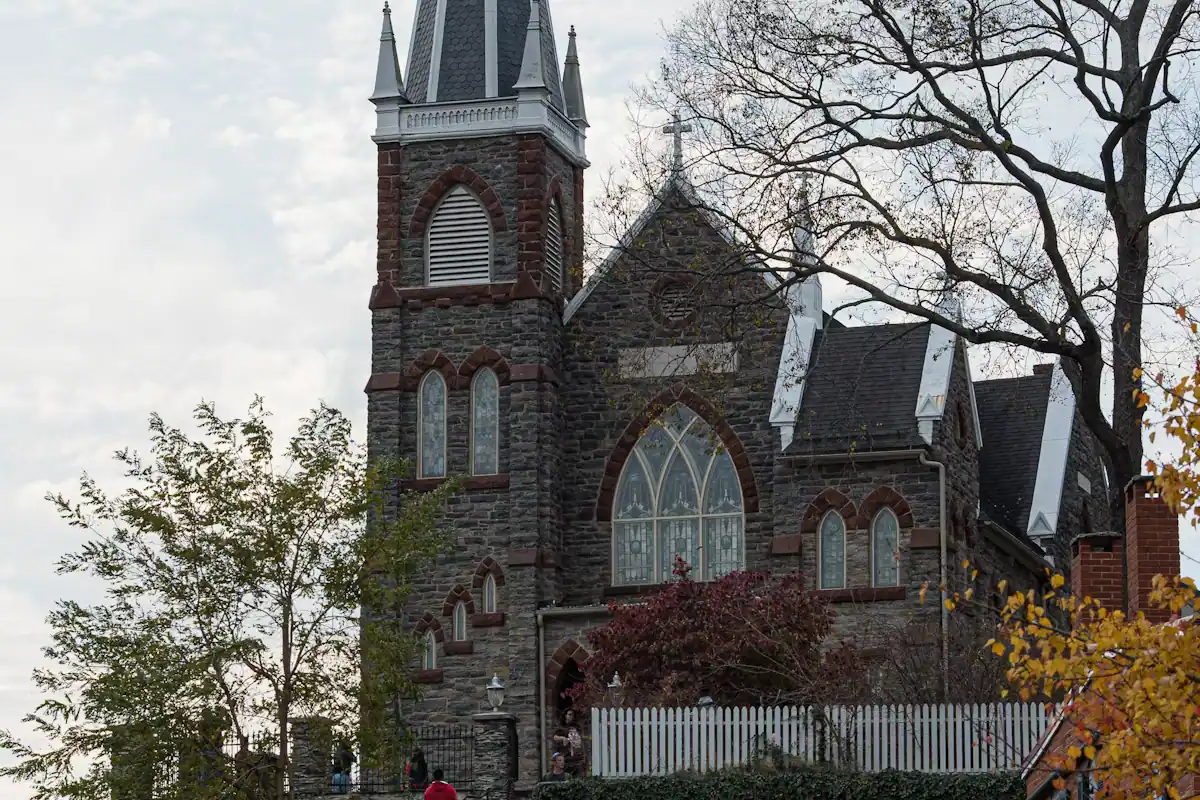 Unsplash
The John Brown Wax Museum stands on High Street, outside the park's fee area, and charges its own admission. It is an independent attraction of a kind that has largely disappeared from American towns: static wax figures in lit dioramas, recorded narration, a sequence of scenes through the raid and the hanging. It dates in spirit to the 1960s and has not tried to become something else. Adults find it either endearing or ghoulish, children are usually gripped, and anyone hoping for current scholarship should be looking at the park's exhibits instead. Opening hours and admission are the operator's business and they vary with the season; check on the day rather than planning around it.
The Appalachian Trail Conservancy visitor centre on Washington Street is free, open to anyone and not really a museum, but it functions as one. There is a large relief model of the whole trail from Georgia to Maine, an information desk staffed by people who know the corridor in detail, a shop, and the thing most visitors end up looking at: albums of photographs of thru-hikers taken on the doorstep and numbered in the order they arrived, going back decades. You can leaf through them. It is a strange and quite moving archive of several thousand people on the hardest day of a very long walk.
Both are up the hill from the shuttle stop, which means a climb. Pair them with lunch on High Street rather than treating them as a separate expedition.
When to go
Rain here is not an inconvenience, it is a constraint. The shale steps up to Jefferson Rock are slick when wet, the Maryland Heights switchbacks turn greasy, and heavy rain upstream can put the towpath and parts of the lower town under water within a day. So an indoor day is a real plan rather than a consolation.
9.00 — Park at the visitor centre and take the first shuttle down. Ask at the desk which buildings are actually open today; the answer changes.
9.20 — The John Brown room first, while it is empty. Then the engine house and the obelisk outside, which takes five wet minutes and is worth them.
10.00 — Industry, then A Place in Time. These two together are the best half-hour of context in the park.
10.45 — Whichever of Black Voices, Harper House or the Master Armorer's Quarters is open, plus two of the shopfront rooms.
11.30 — Up the hill for coffee, the wax museum if you want it, and the trail centre's relief map and photograph albums, which are indoors and free.
13.00 — Lunch on High Street. In winter, check first: some kitchens here drop to weekends only.
14.00 — If the rain has set in for the day, drive twenty minutes to Charles Town or Shepherdstown, both of which have indoor afternoons in them. If it is easing, the flat path to Virginius Island is the least slippery walk in the park and the ruins look better wet.
Everything indoors shuts at five. Plan the day to end before it, not at it.
How they compare
Beyond the headline exhibits, the park has fitted a series of one-subject rooms into restored commercial and domestic buildings. They are uneven, and knowing which is which saves you doubling back.
| Room | What is in it | Worth it if |
|---|---|---|
| Industry Museum | The armoury, water power, John H. Hall and interchangeable parts | You want to know why a town existed here at all |
| A Place in Time | The lower town as a working community across the century | You like social history more than battles |
| Dry Goods Store | A reconstructed 1850s retail interior | You want the texture rather than the argument |
| Provost Marshal Office | Military occupation and civilian life under it | You are interested in what the war did to ordinary people |
| White Hall Tavern | Drinking, lodging and the armoury workforce | You have twelve minutes and a sense of humour |
| Confectionery | A small trade, reconstructed | You are with children losing patience |
| A. Burton, watch repair | A jeweller's and watchmaker's fit-out | You notice tools |
| Boarding House | Where transient armoury workers lived | You are curious about the people, not the guns |
| Master Armorer's Quarters | The armoury's senior craftsman and his household | It has reopened — closed for repairs when we checked |
| Harper House | The town's oldest surviving dwelling, on the steps to Camp Hill | It has reopened — also closed when we checked |
If you have an hour, take Industry, the John Brown room, A Place in Time and whichever of Black Voices or Storer College is accessible that day. Skip the reconstructed retail interiors on a first visit; they are charming and they are not the reason you came.
On the ground
Every place below has its own page — hours, parking, what it costs and what to expect when you get there.
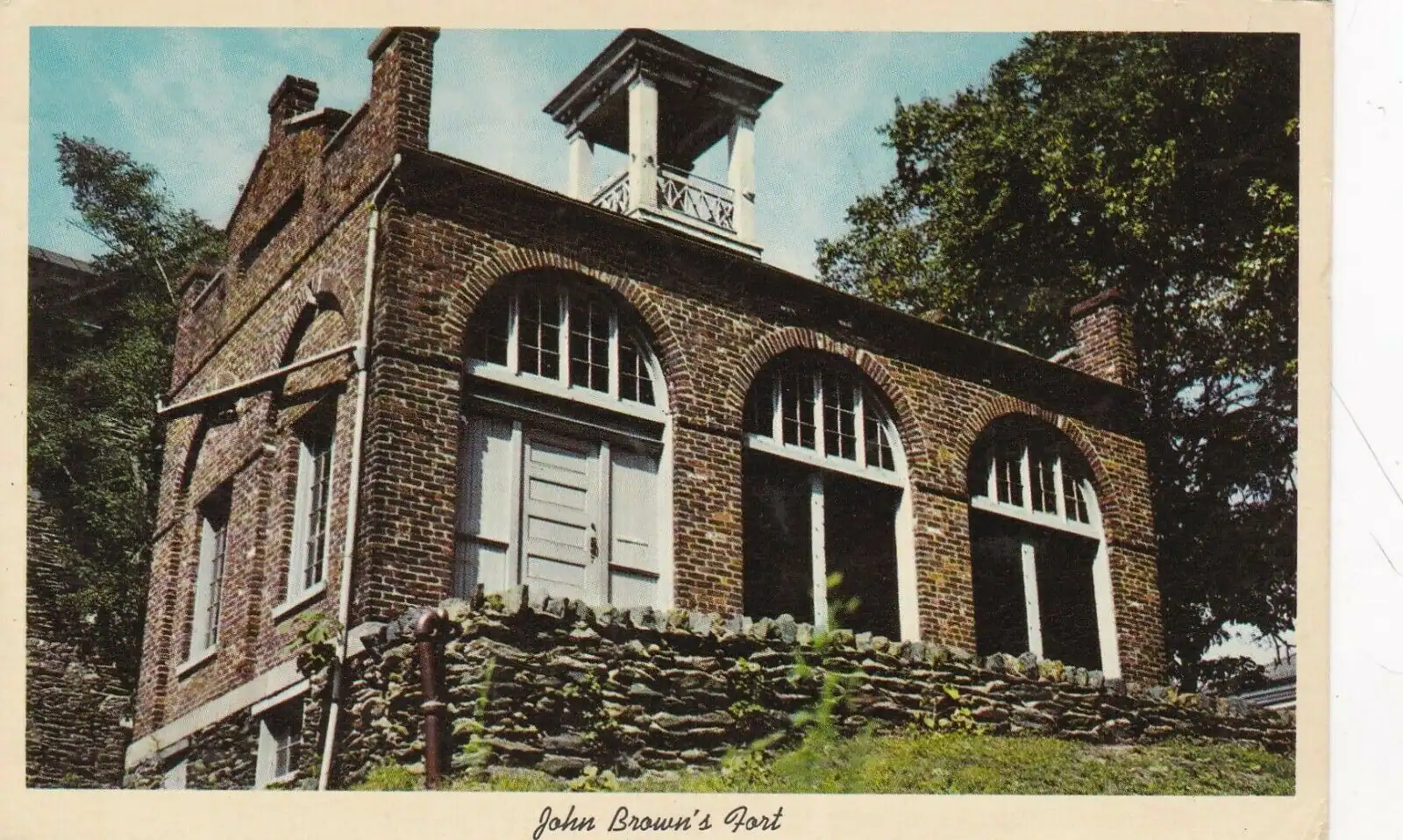
Historic site
An 1848 fire engine house, the only armoury building to survive the war, and it does not stand where any of this happened.
10–30 minutesCovered by the park entrance fee; no separate charge
Historic site
A college founded to educate people who had been enslaved, closed in 1955 by the consequences of a civil rights victory.
0.5–1.5 hoursFree; covered by the park entrance fee charged on your vehicle
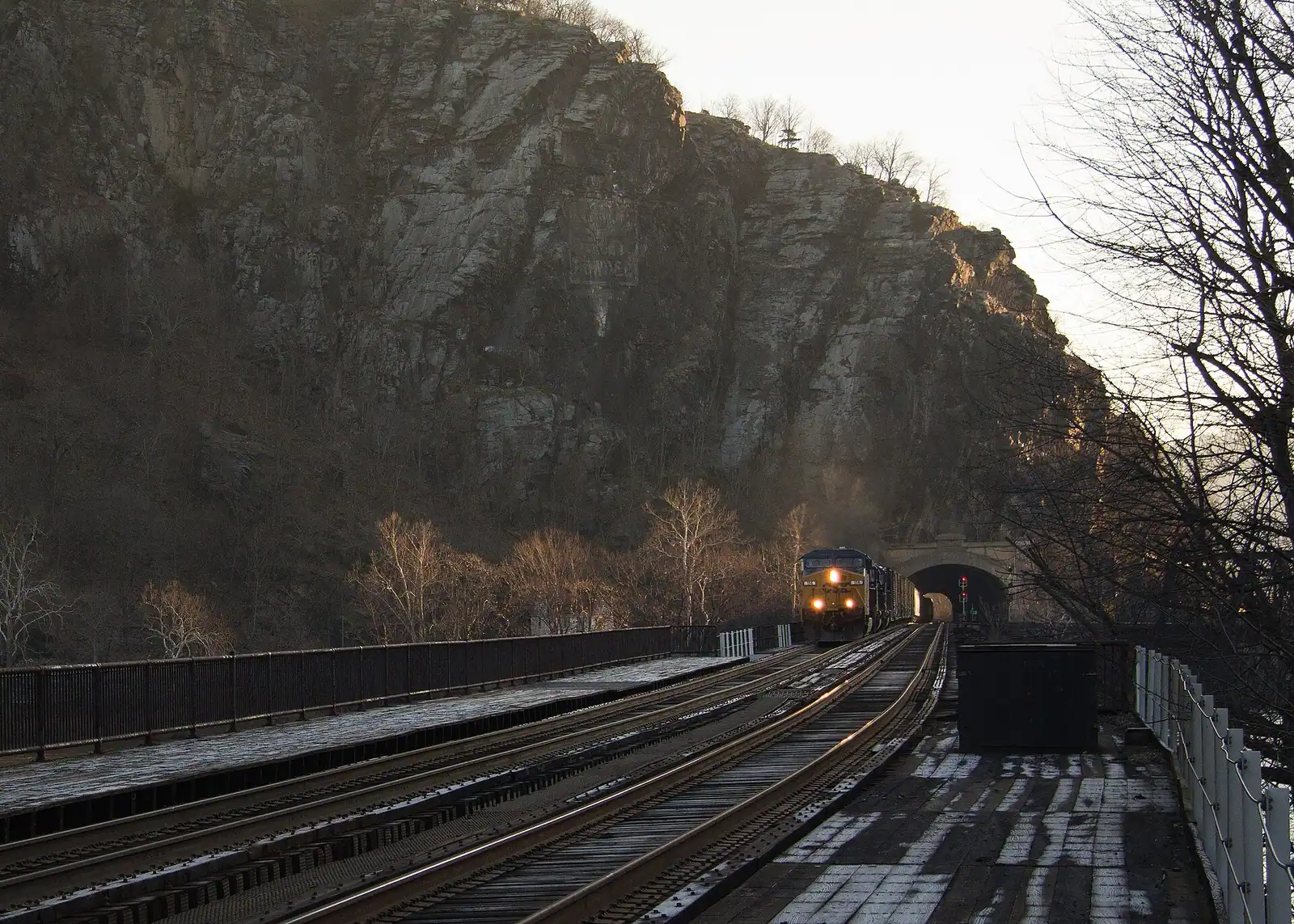
Neighbourhood
Two streets and a flight of stone steps, all of it inside a national park, with the high-water marks still on the walls.
2–5 hoursPark entrance fee applies; National Park Service exhibit buildings are then free to enter
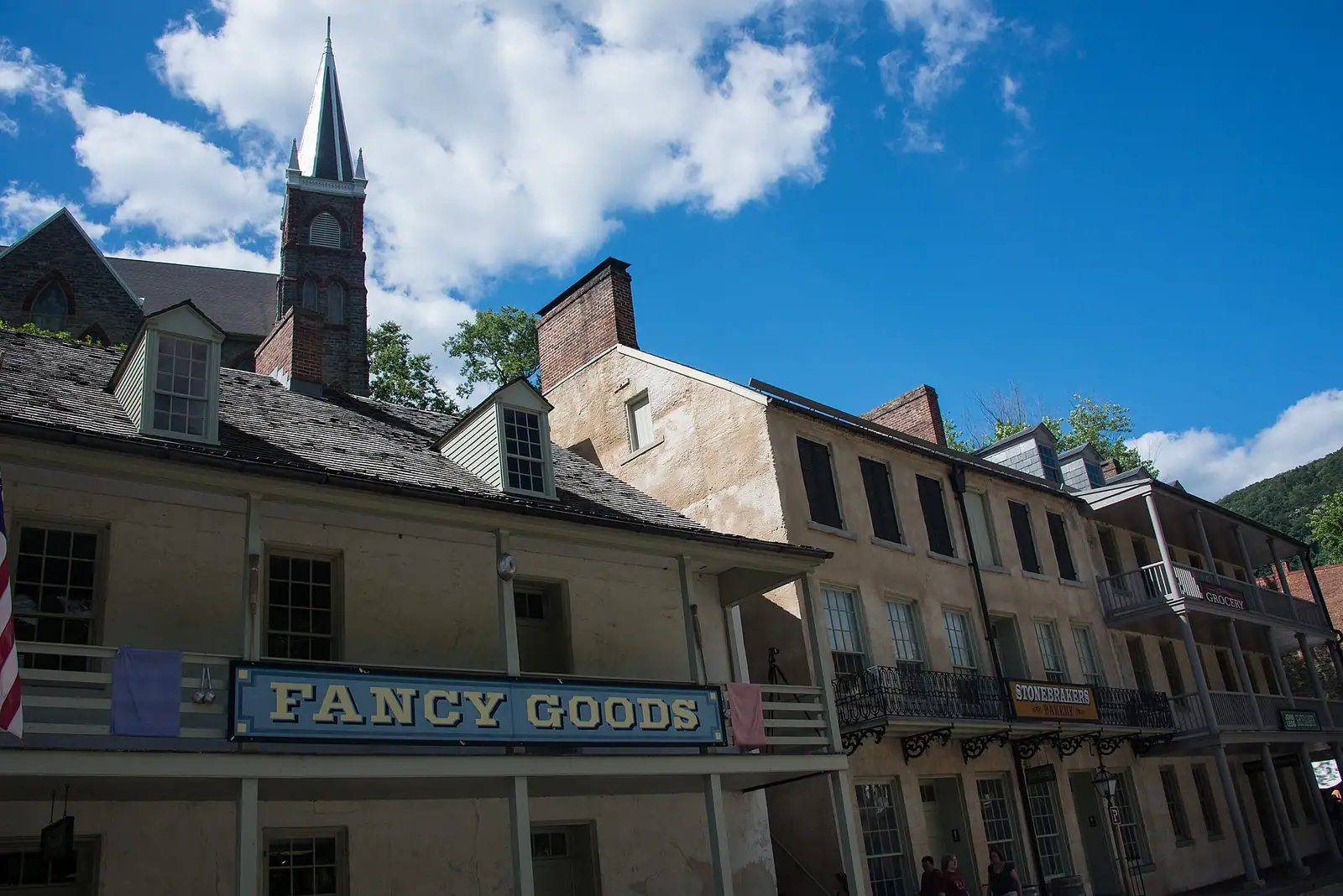
Historic site
The one level street in the lower town: park museums door by door, the shuttle stop, and the restored shopfronts of an 1860s street.
1–2.5 hoursIncluded with park entrance; the museums along the street carry no separate charge
Museum
Where thru-hikers get photographed and numbered, in albums going back decades — and where the midpoint myth gets corrected.
0.5–1 hoursFree to enter; the Conservancy is a non-profit and donations are welcomed
Museum
The park exhibit on African American Harpers Ferry, from the armoury town to Storer College. Confirm it is open before you plan around it.
20–45 minutesIncluded with park entrance; no separate charge
Historic site
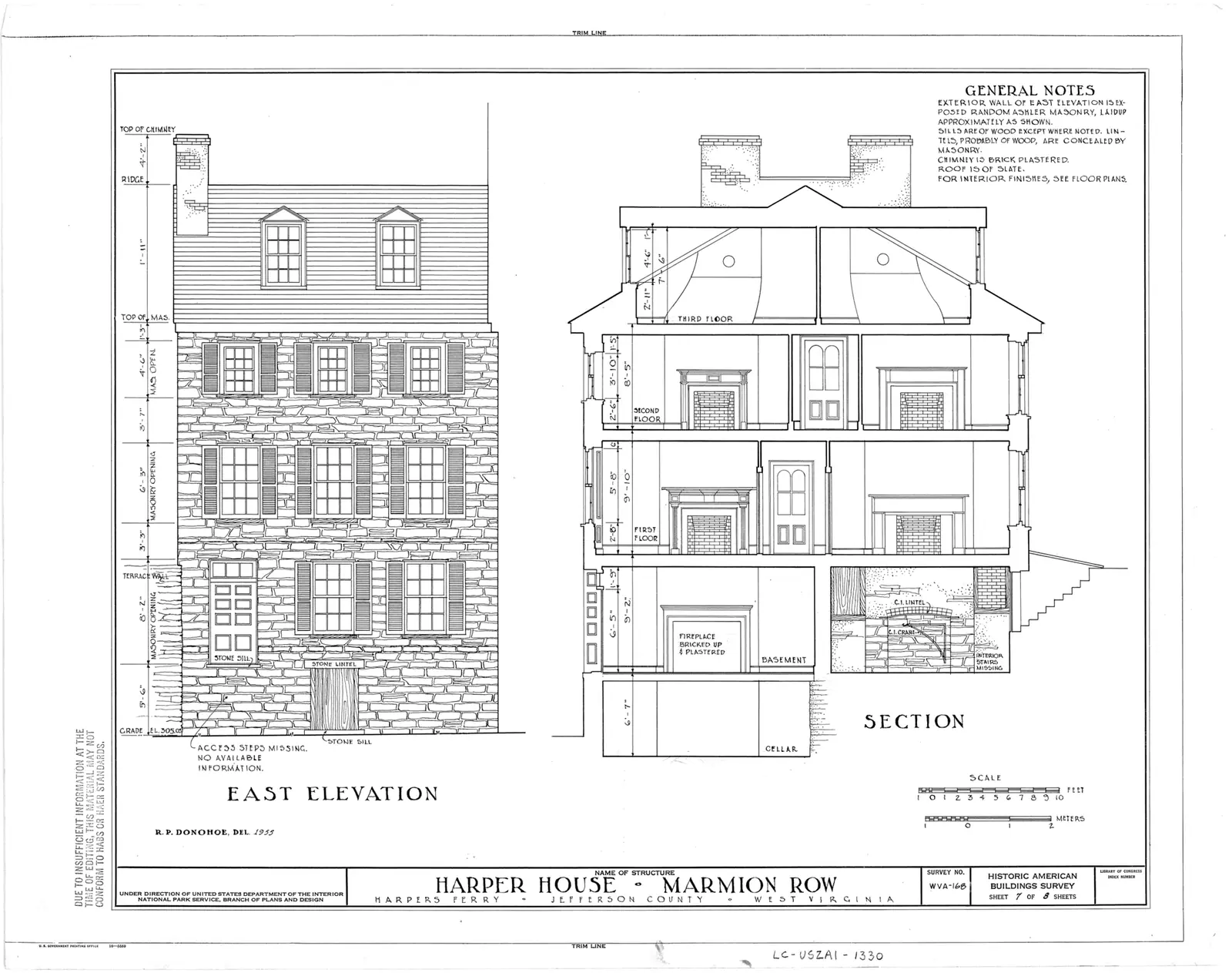
The stone house the ferryman never finished, the oldest building in town — and shut for repairs at the moment.
15–40 minutesNo separate charge when open; covered by the park entrance fee
Museum
A privately run wax tableau of the raid on High Street. Not the free National Park Service museum, and often confused with it.
20–35 minutesSeparate admission, charged by the operator. Not covered by your park entrance fee
Straight answers
Two, and they are different things. The park's own John Brown Museum is a room of interpretation on Shenandoah Street, included in your entrance fee, covering the raid, the trial and the argument about Brown ever since. Separately, a privately run wax museum on High Street tells the story with lit dioramas and narration and charges its own admission. See the park's room first; it is the one with current scholarship in it.
The park's exhibit buildings are included in the entrance fee, so once you have paid at the visitor centre — $20 a vehicle when we checked, valid three consecutive days — there is nothing further to pay for any of them. The Appalachian Trail Conservancy visitor centre on Washington Street is free to anyone. The privately run attractions up on High Street charge separately and set their own hours.
The park's museums, exhibit buildings and lower-town restrooms run 9 a.m. to 5 p.m. daily, and the park closes entirely on Thanksgiving, 25 December and 1 January. Those hours hold all year, which matters in winter because the trails close at sunset but the rooms do not stay open later to compensate. Private attractions up the hill keep their own, more seasonal, hours.
Ninety minutes to two hours to read the park's rooms properly, assuming a normal number are open. Most visitors manage four buildings and walk past the rest. If you have a single hour, take the Industry Museum, the John Brown room, A Place in Time, and whichever of Black Voices or the Storer College interpretation is accessible that day, and skip the reconstructed shop interiors.
It changes. When we checked in September 2026 the Civil War Museum, the Black Voices exhibit, the Harper House and the Master Armorer's Quarters were closed for repairs, while others were open. These are nineteenth-century buildings in a floodplain and they take damage and wait for funding. Ask at the visitor centre desk when you pay, or check the park's alerts page the morning you travel.
The park's dozen indoor exhibit rooms are the obvious answer and they fill two hours. Add the Appalachian Trail Conservancy centre on Washington Street, which is free and indoors, and lunch on High Street. Avoid the stone steps to Jefferson Rock and the Maryland Heights switchbacks, both of which are genuinely slippery wet. If it has set in, Charles Town and Shepherdstown are twenty minutes away.
It was closed for repairs when we checked in September 2026, and the park had not published a reopening date. It is the exhibit on the Black experience here — enslaved people hired out to the federal armoury, the free Black community before the war, Hayward Shepherd, and what came after emancipation in this valley. Ask at the visitor centre desk; if it has reopened, make it your first stop.
Keep exploring
Things to do
The United States built its second national armoury on this ground in 1799 because the ground did the work. Two rivers arrive at the same corner…
Guide hub
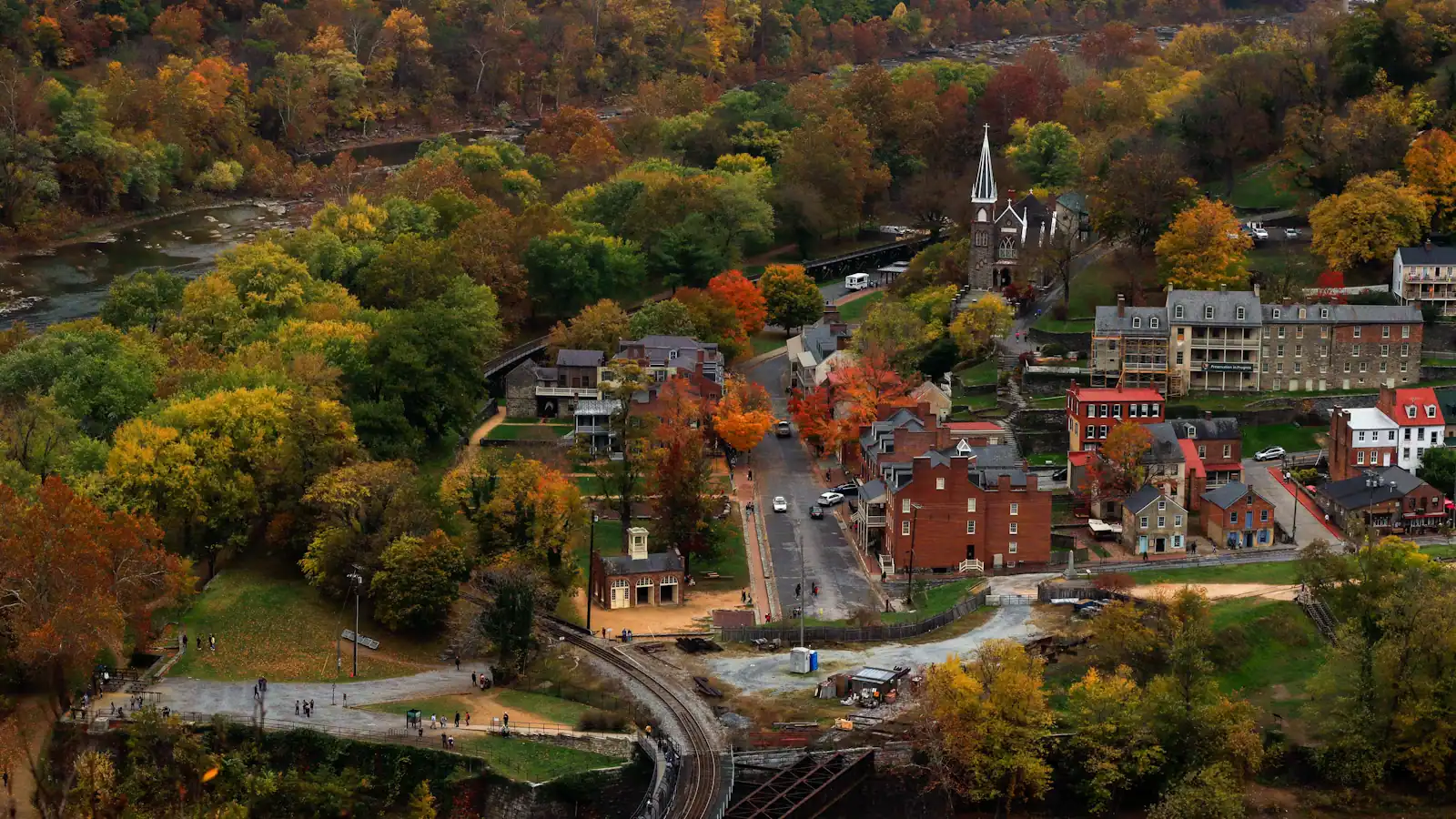
At most national parks the town is outside the gate. Here the town is the park. Harpers Ferry National Historical Park covers roughly 3,660 acres in…
Who it suits
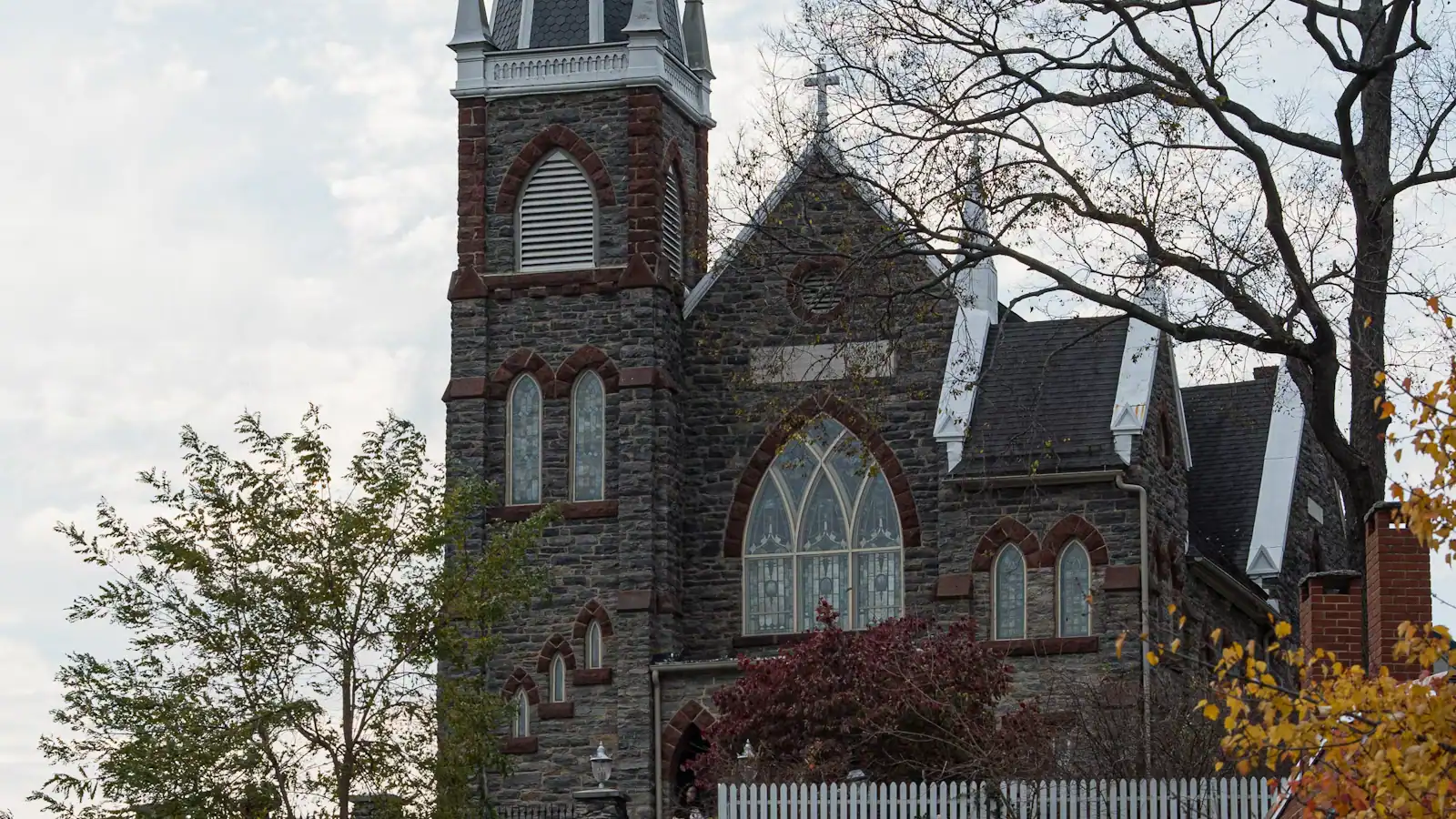
Start with the truth, because it saves you a disappointing morning: Harpers Ferry is an outdoor destination and rain genuinely changes the plan. The…
Guide hub
An attractions list usually ranks things. This one maps them, because in Harpers Ferry the only question that matters is what altitude a place sits…
Budget
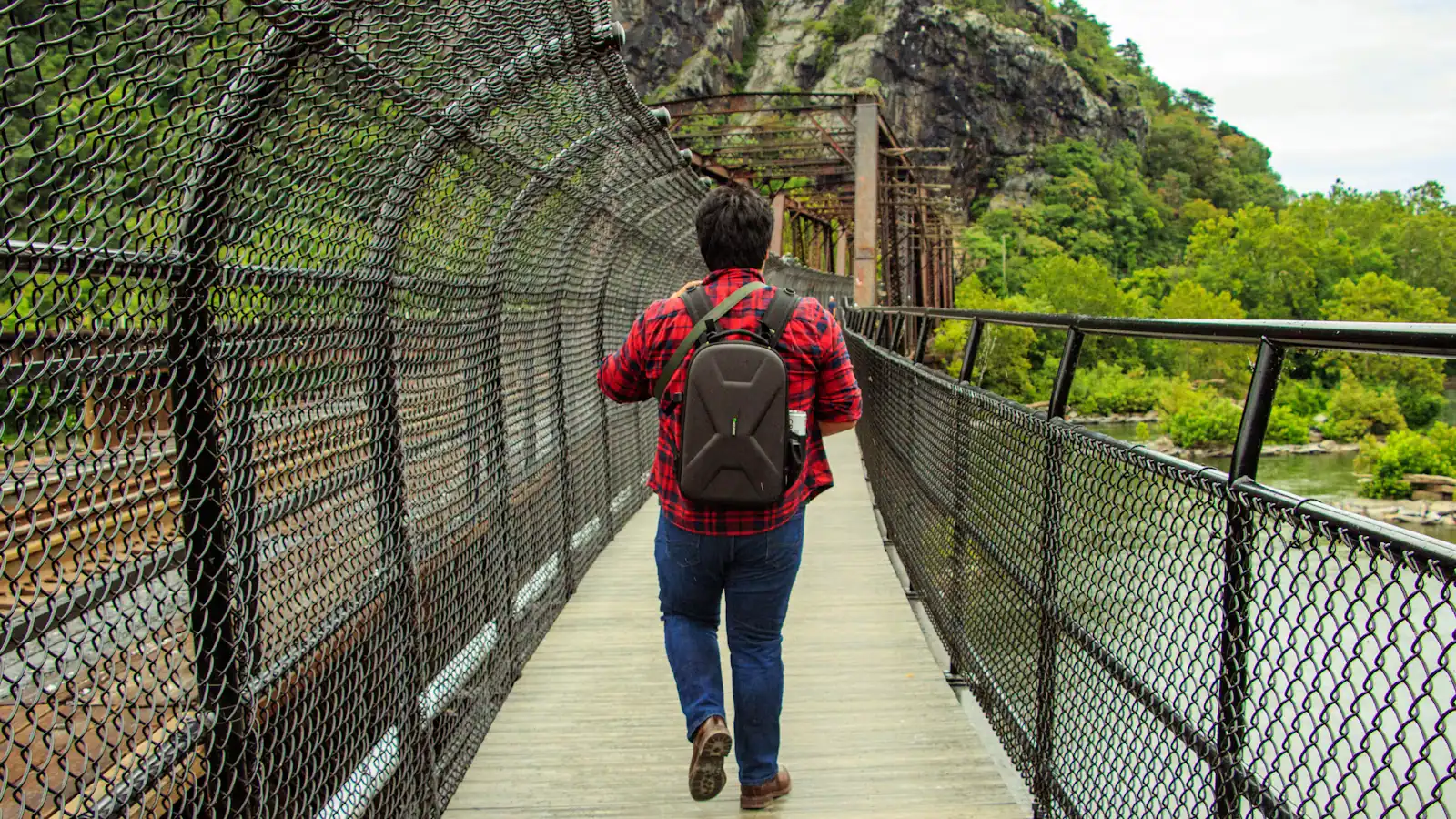
Harpers Ferry is one of the cheapest good days out in the mid-Atlantic, and it is worth being precise about why, because the word free does two…
Who it suits
Children do well here, and the reason is not the history. It is that a national park has been laid over a town small enough to walk across in…
Read next
Guide
Twenty-two men seized a federal armoury on a Sunday night in October 1859. Thirty-six hours later it was over. The argument it started took another six years and 600,000 lives to finish.
10 min readLoretta Sims
Guide
The lower town read in geographical order tells the story backwards. Here is the day arranged chronologically instead, from the armoury grounds at nine to Jefferson Rock at dusk.
9 min readLoretta Sims
Guide
Cobbles, stone steps and a thousand-foot ridge on three sides. The flat walking is across a footbridge reached by stairs. Here is which parts of this actually work with children.
8 min readPrudence Ashby
Guide
A town of 269 people where two rivers and three states meet, and most of the streets are a national park. Three unrelated crowds arrive here every weekend. Work out which one you are first.
9 min readPrudence Ashby