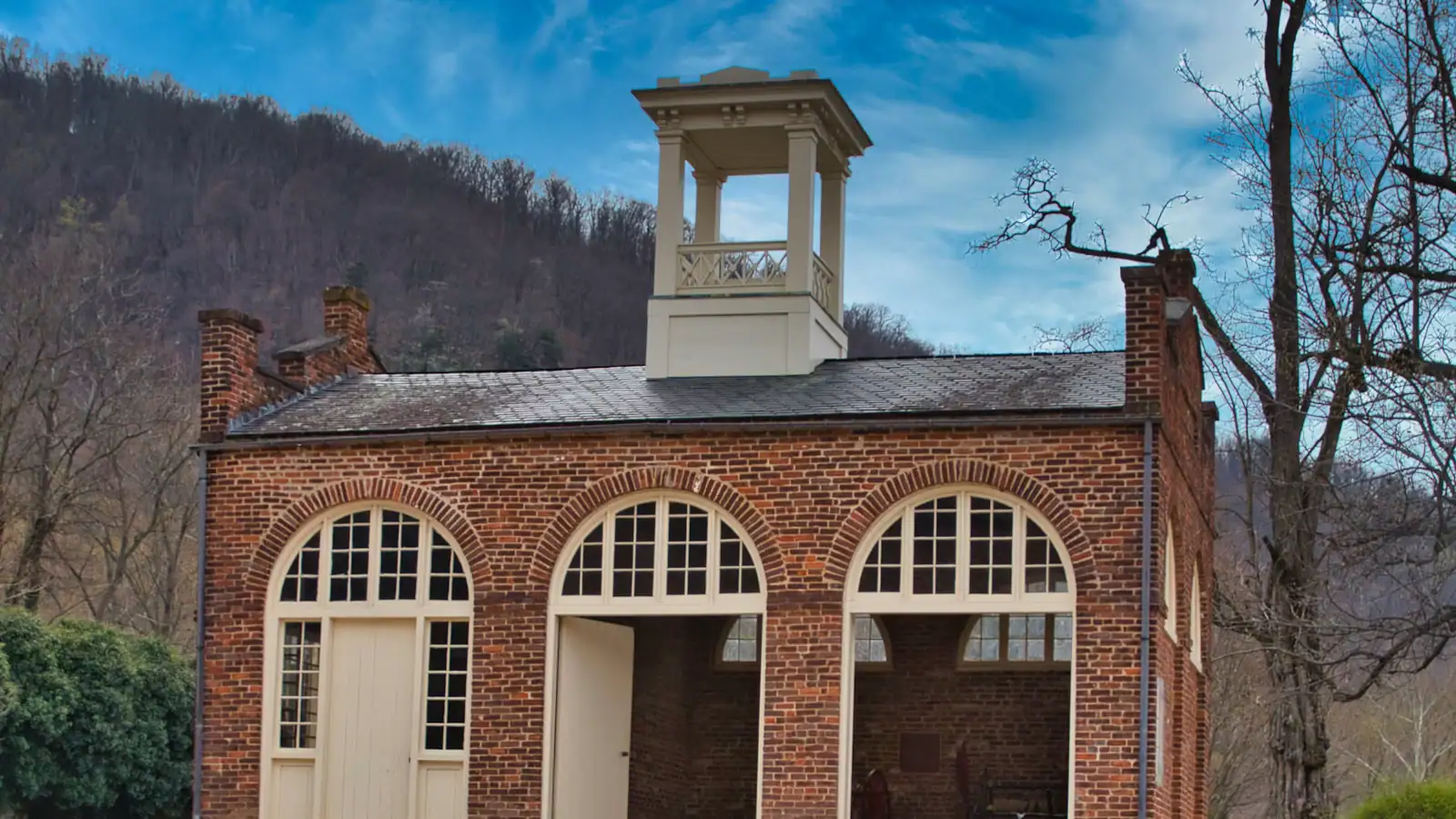
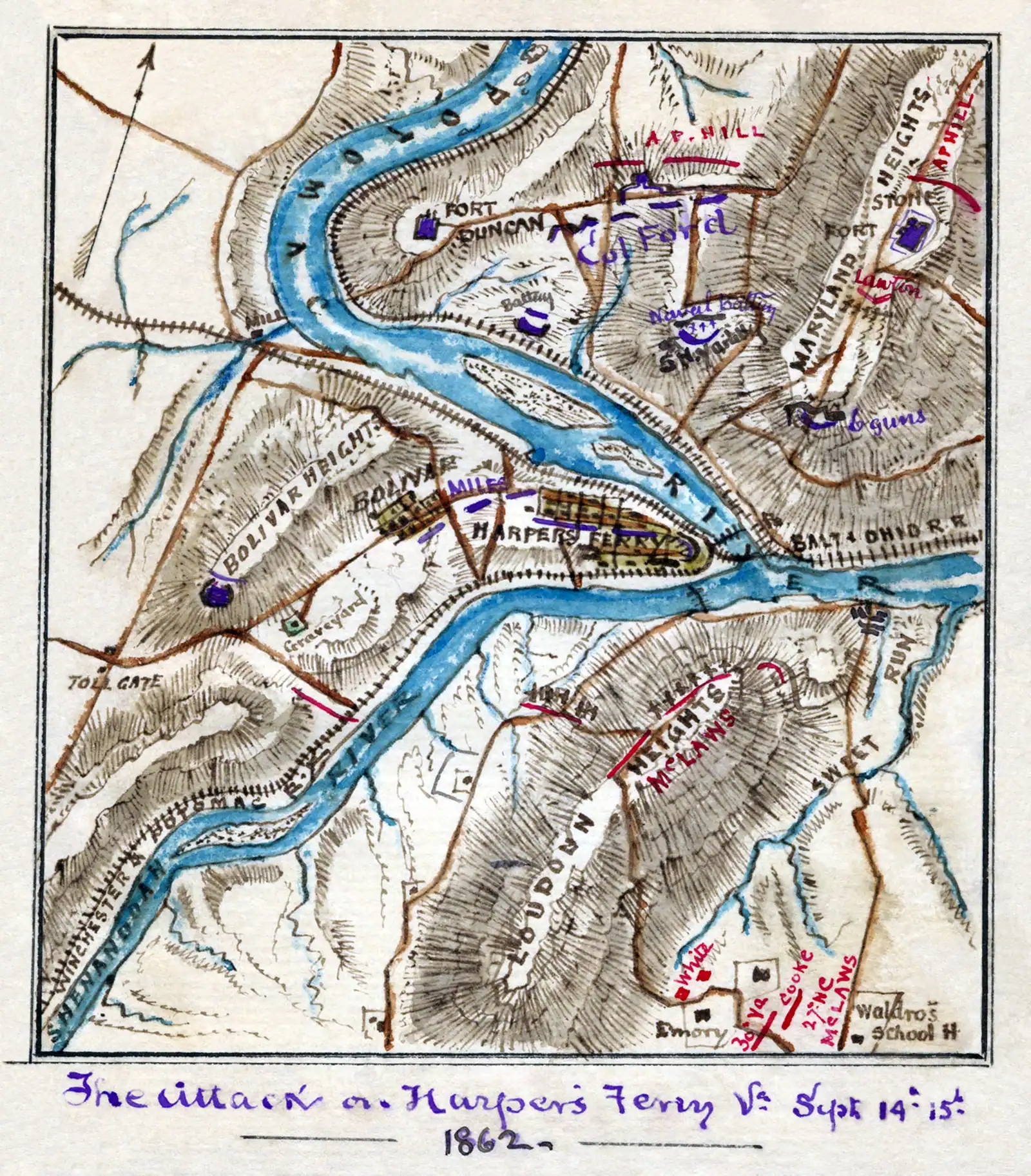
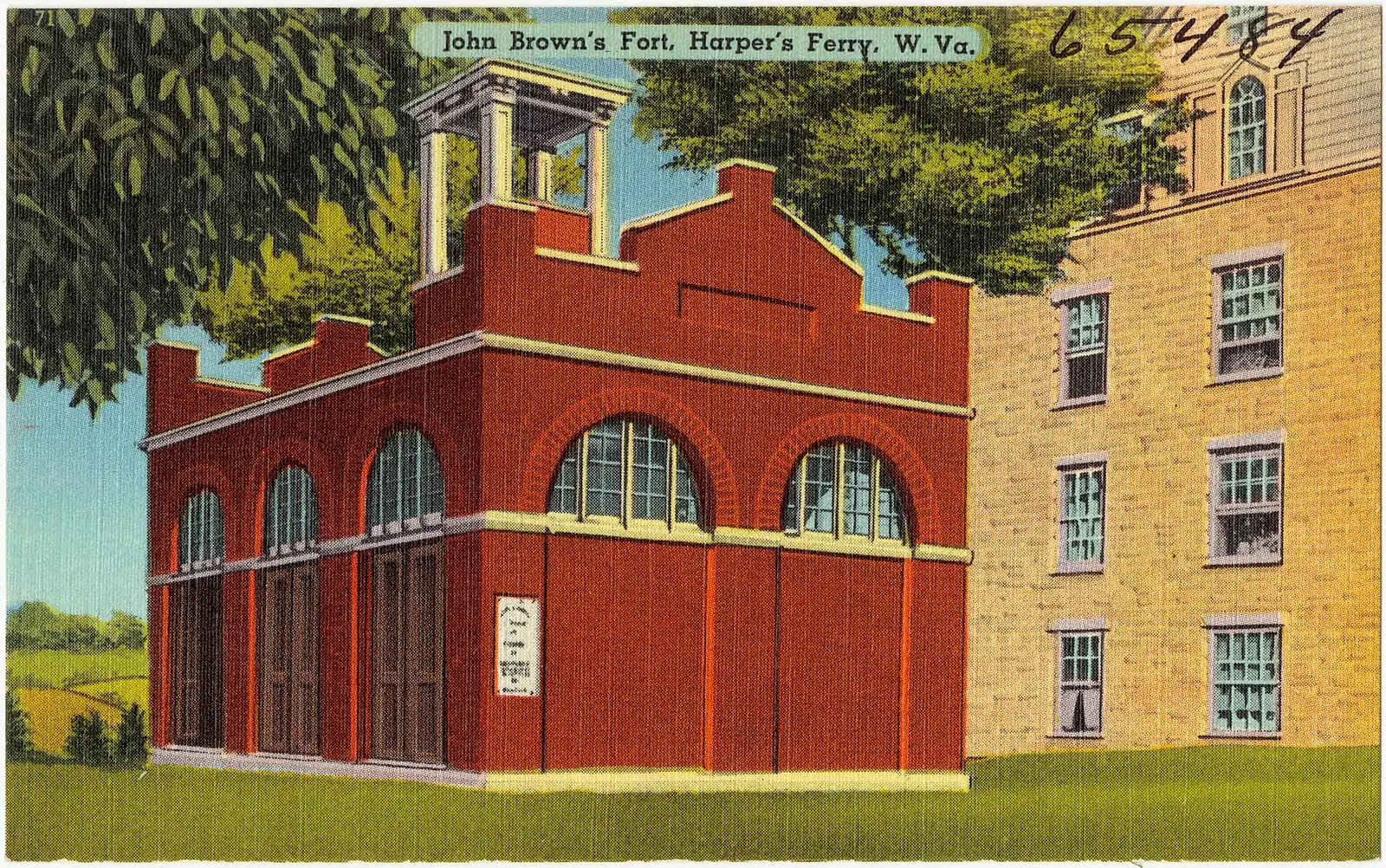
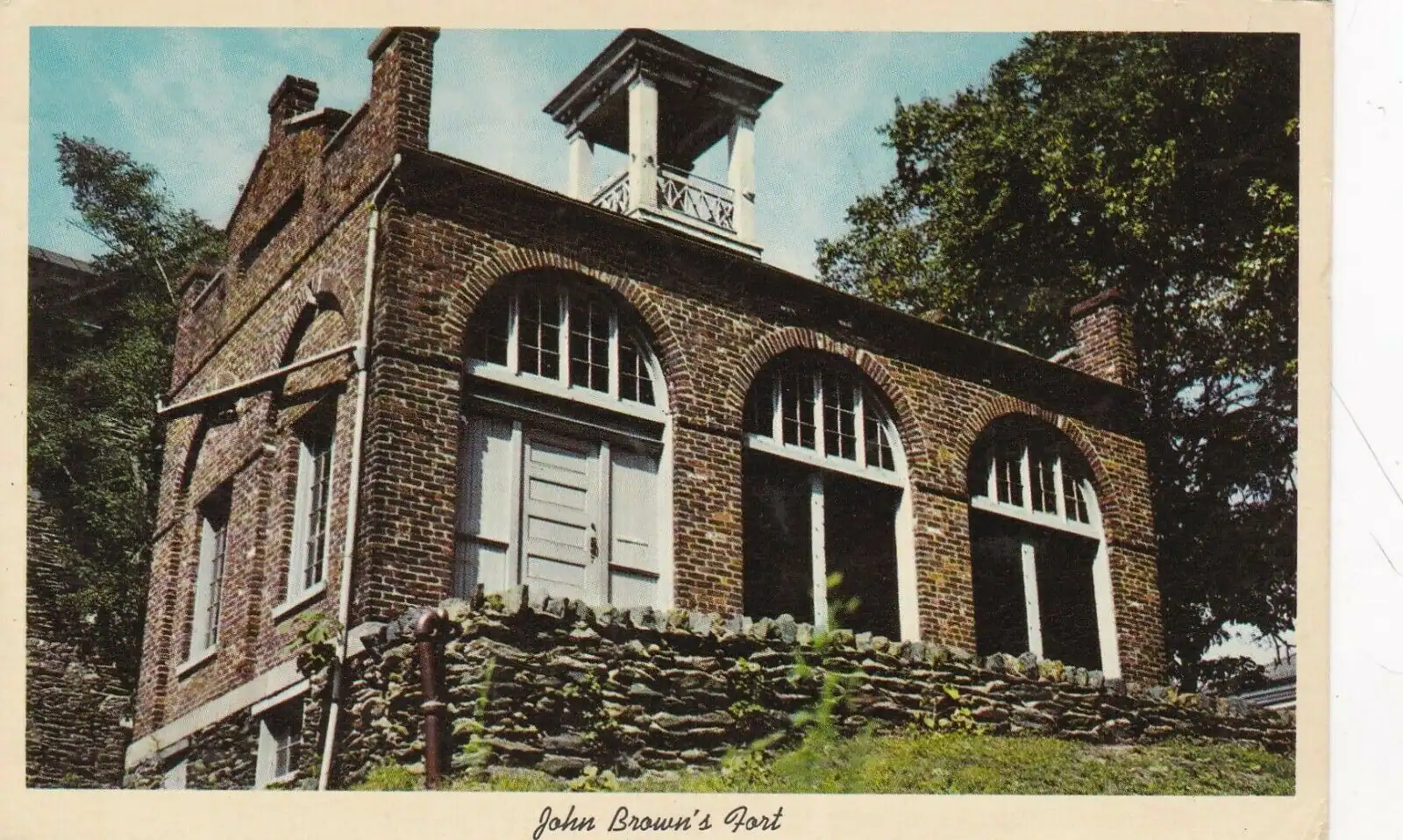
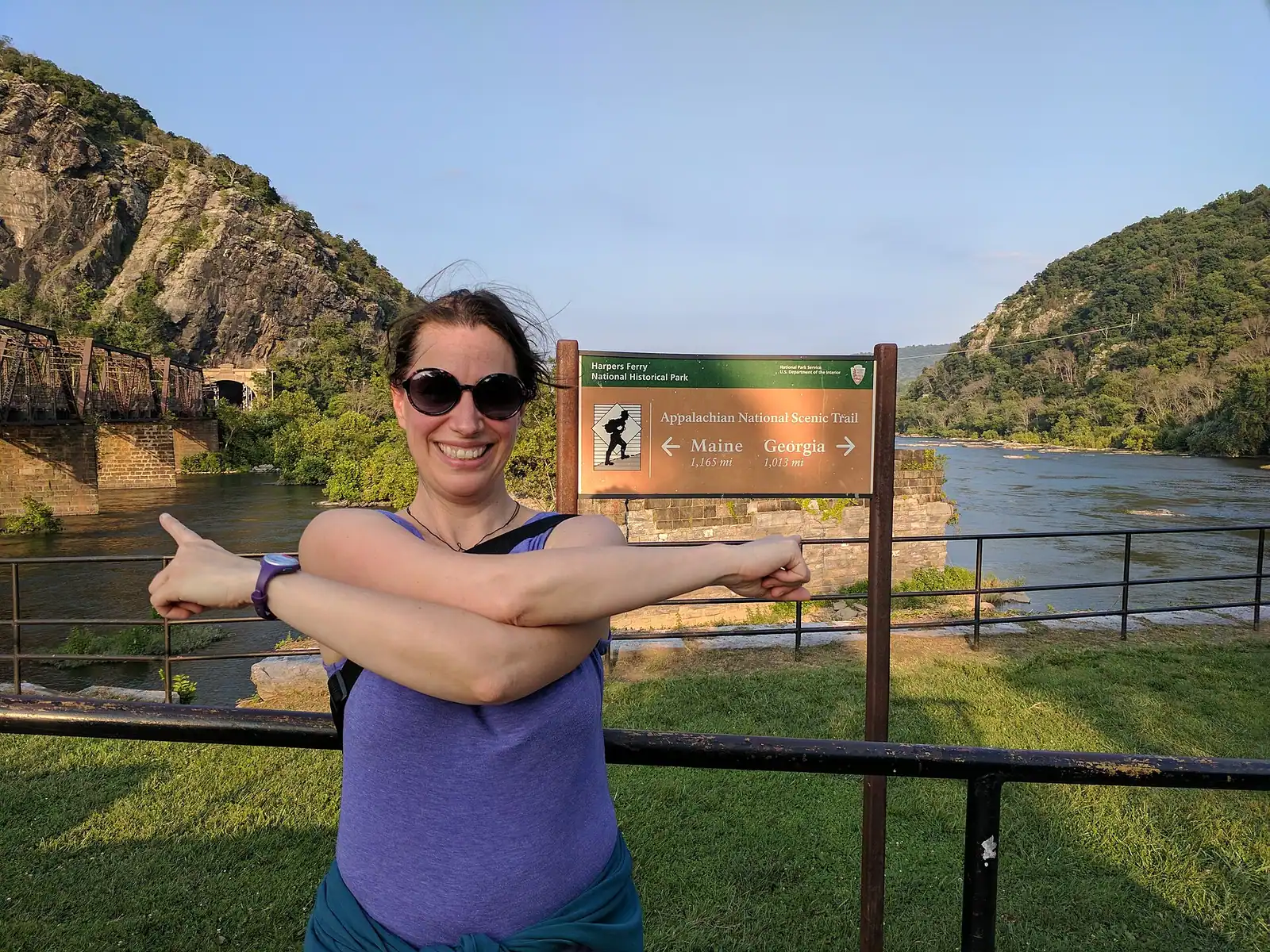
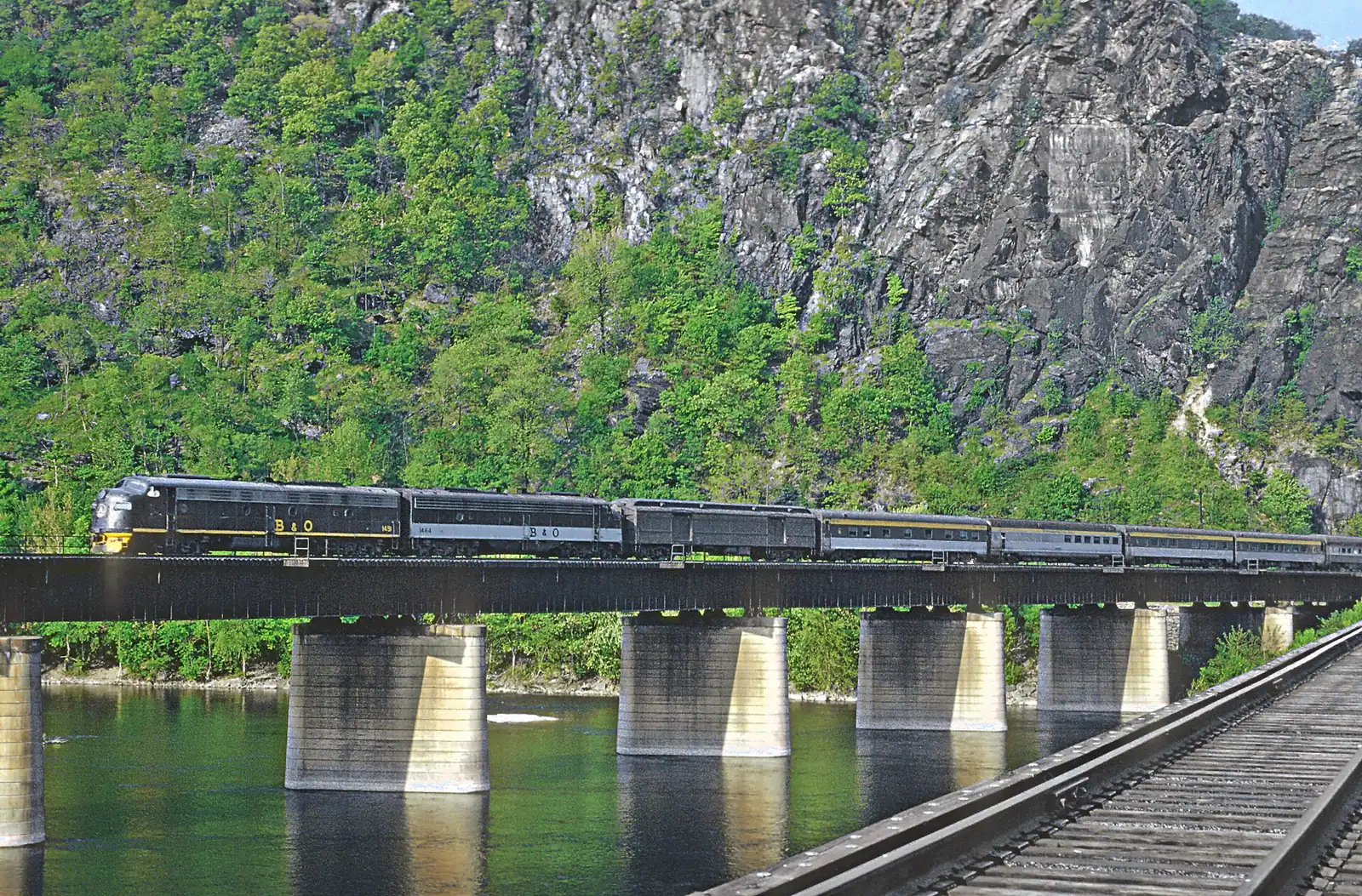
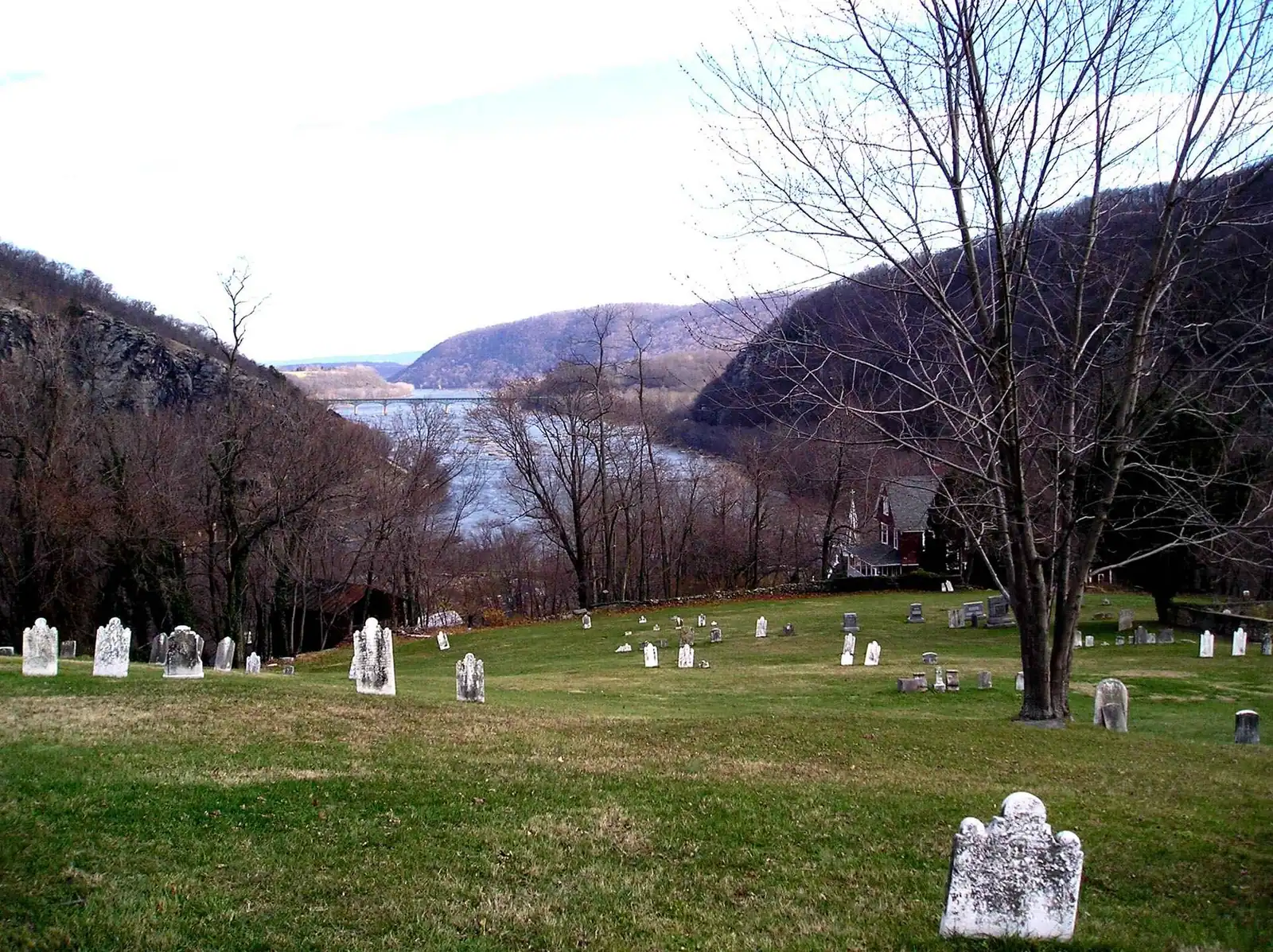
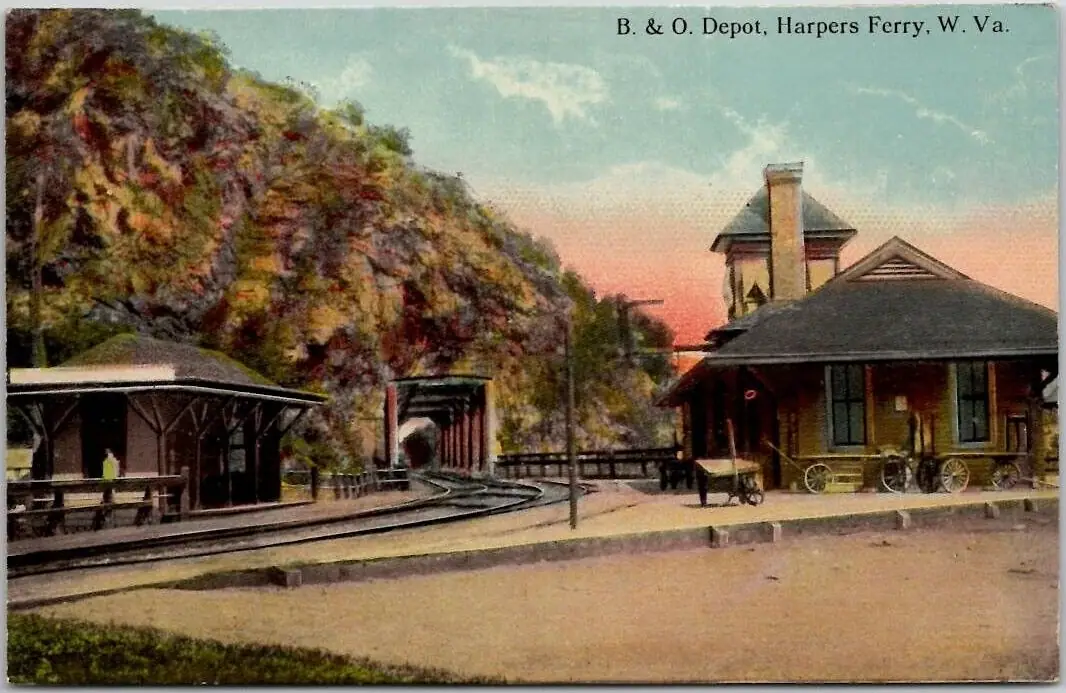
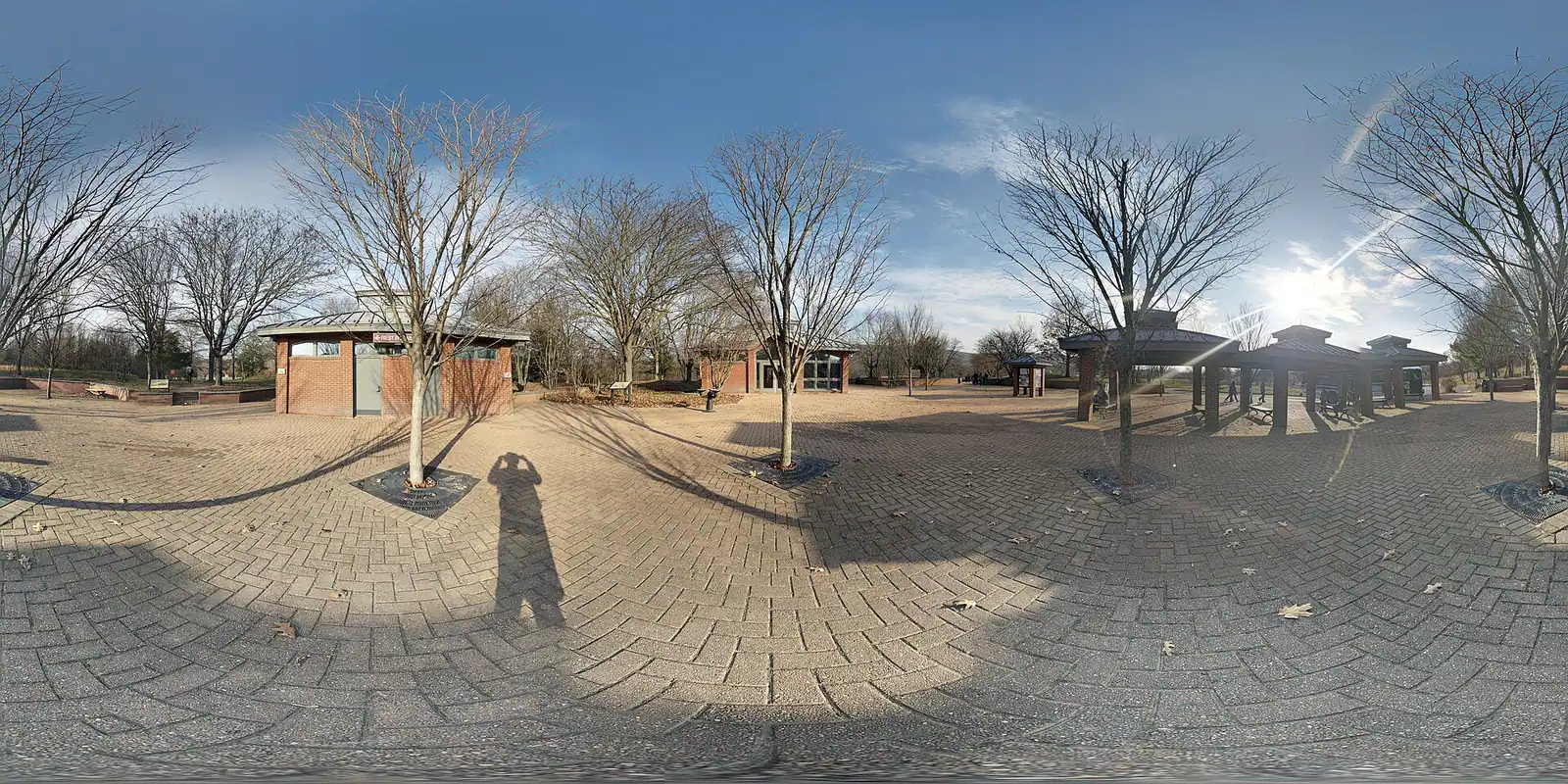
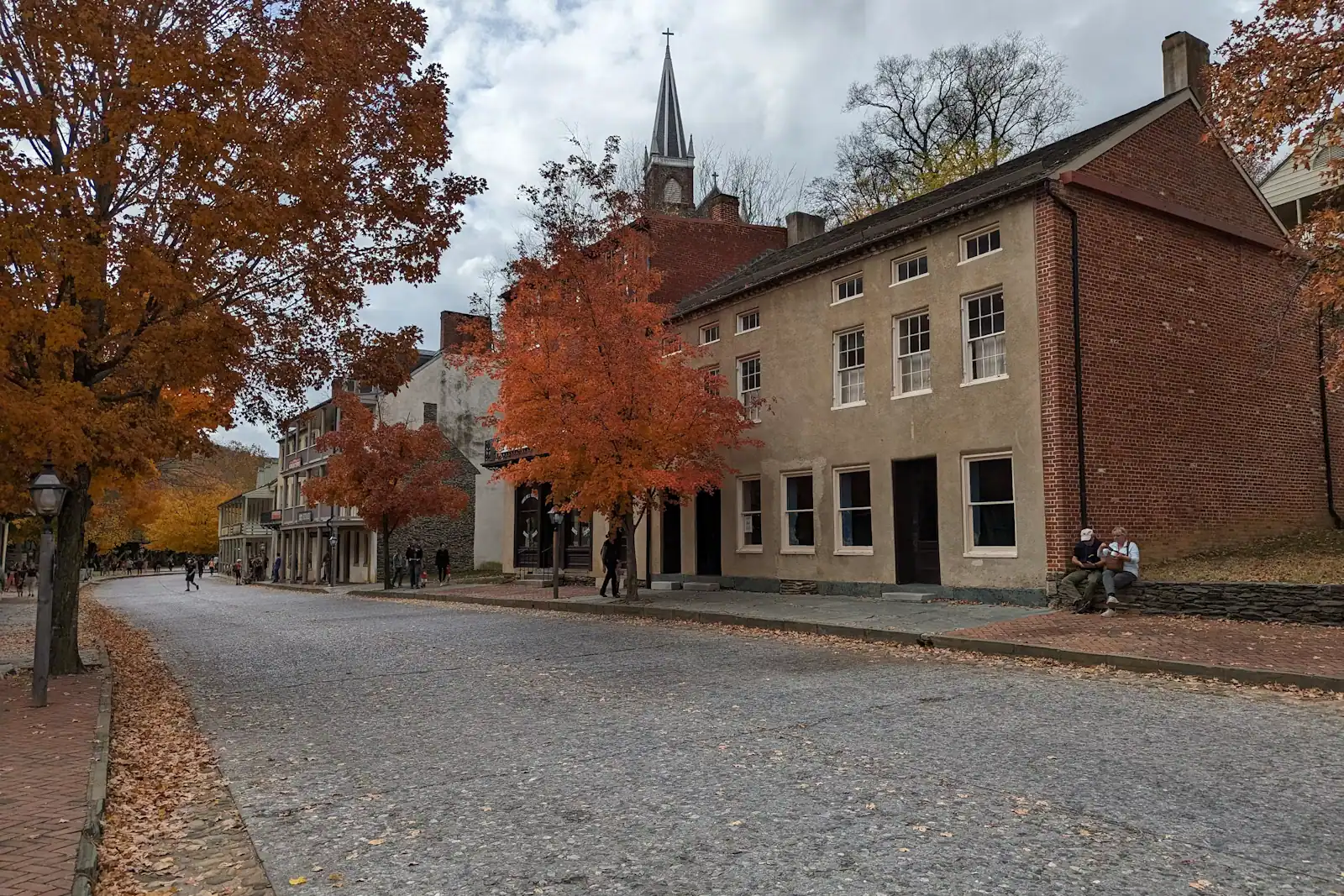
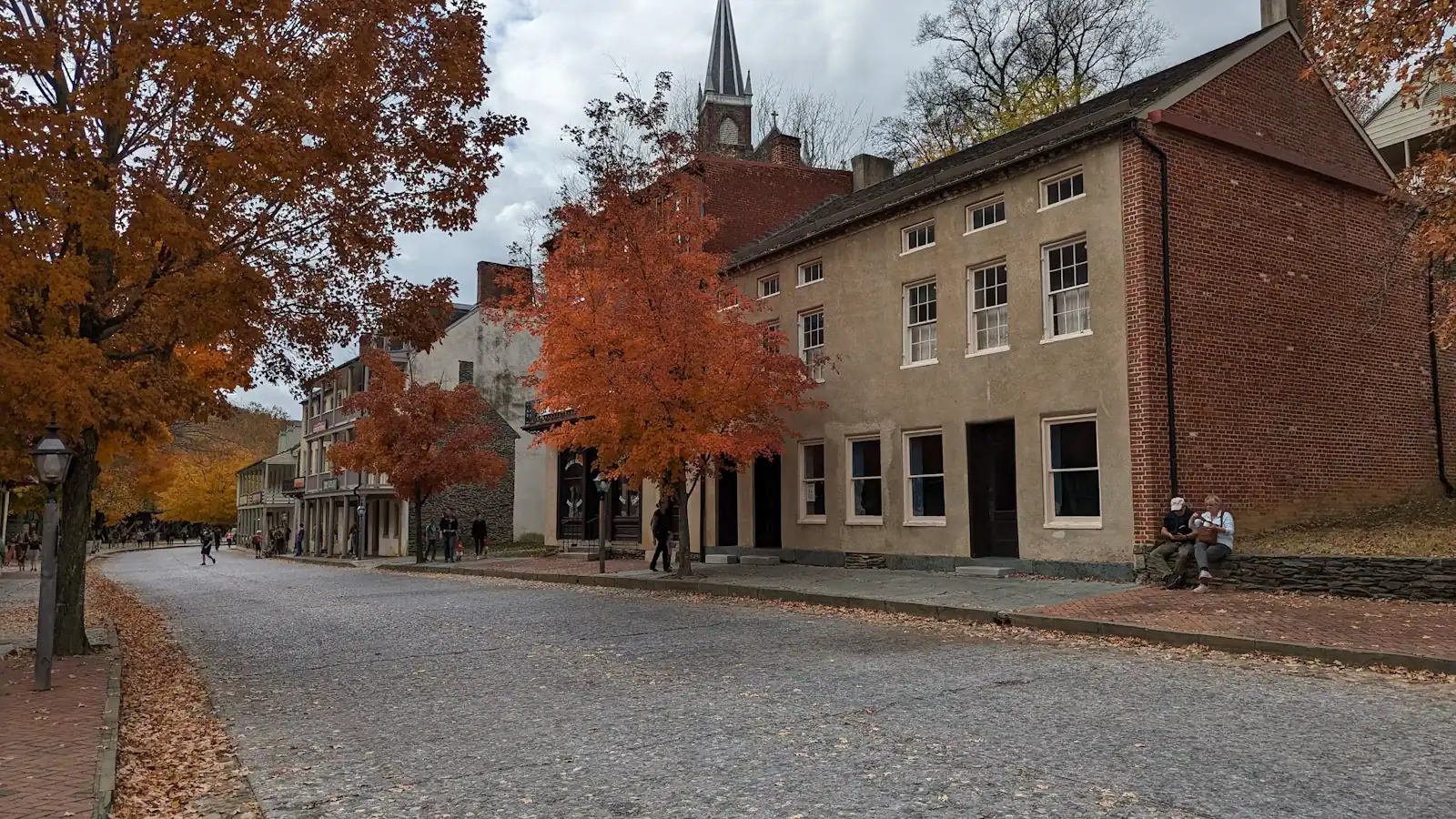
An attractions list usually ranks things. This one maps them, because in Harpers Ferry the only question that matters is what altitude a place sits at and which bank of which river it is on. Everything here is within about a mile of everything else, and the walk between two of them can be flat and four minutes long or four hundred steep feet and forty.
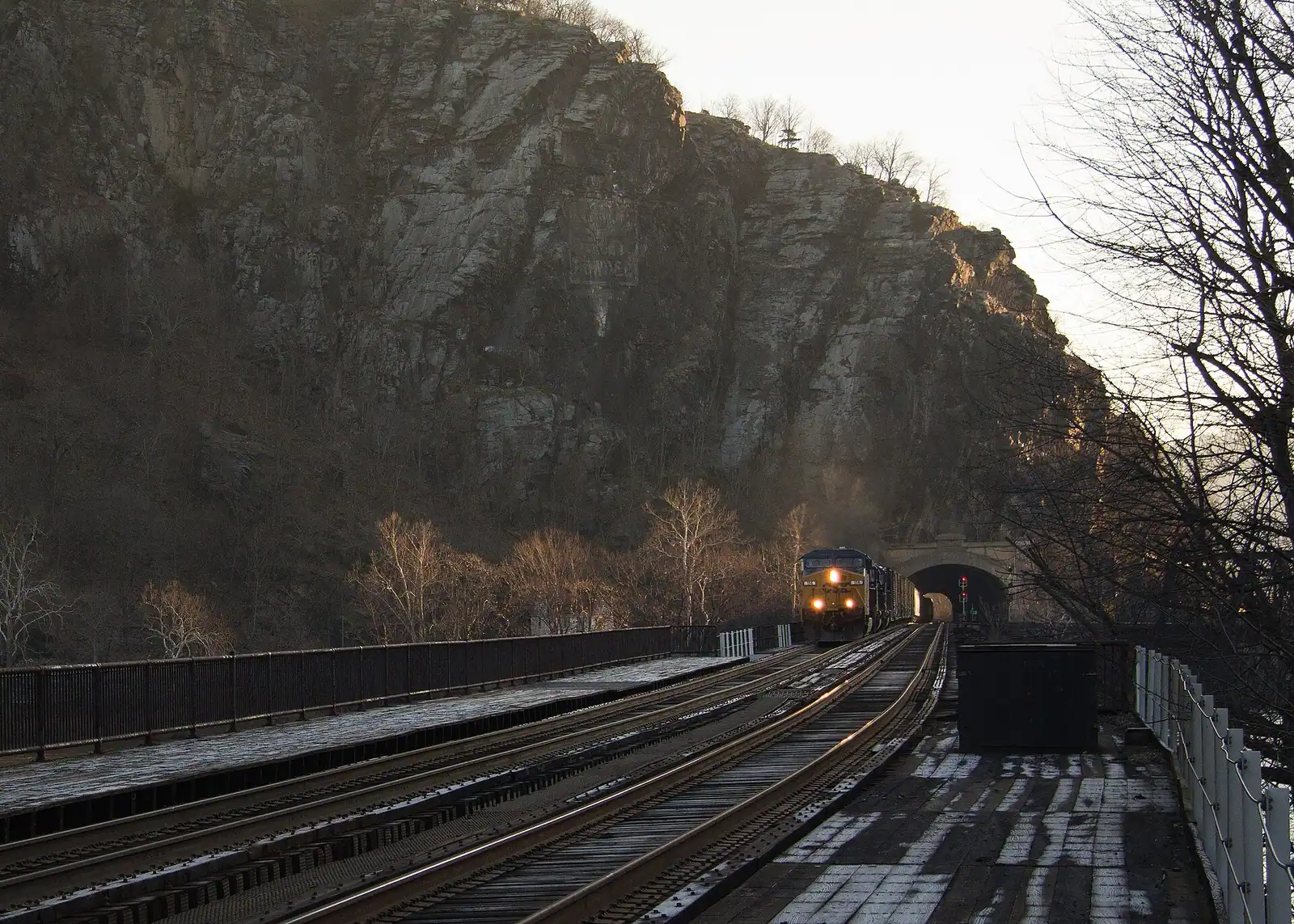
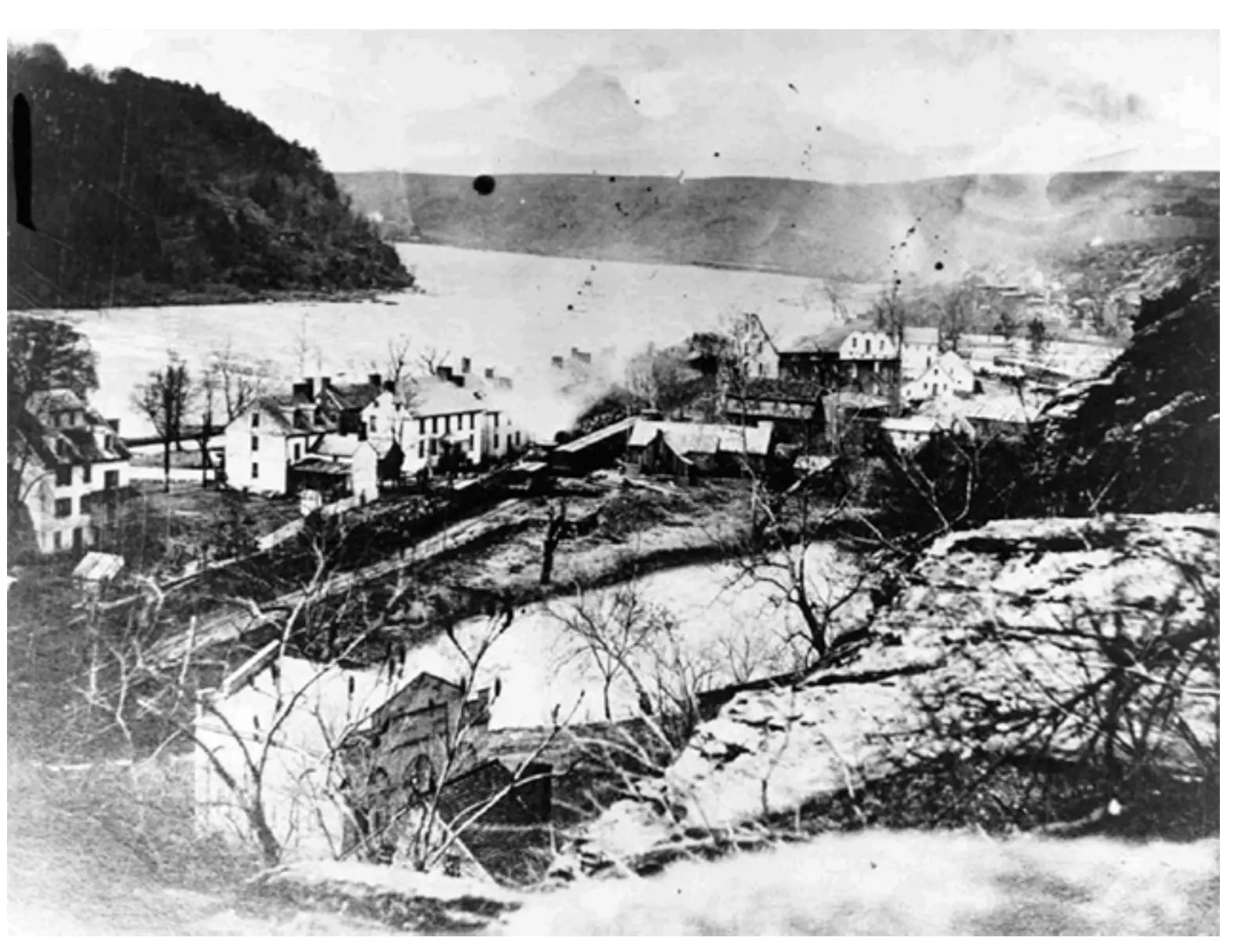
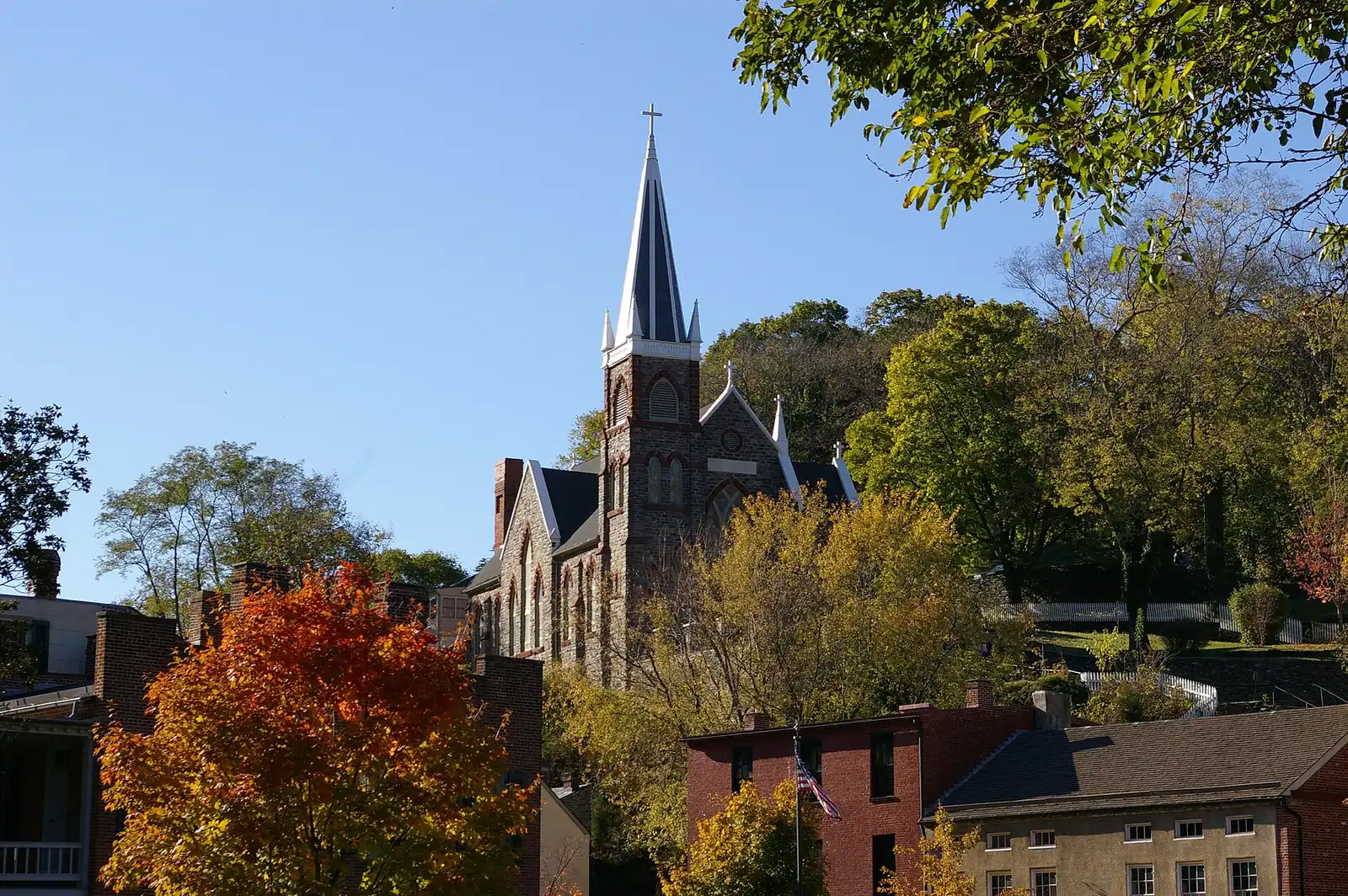
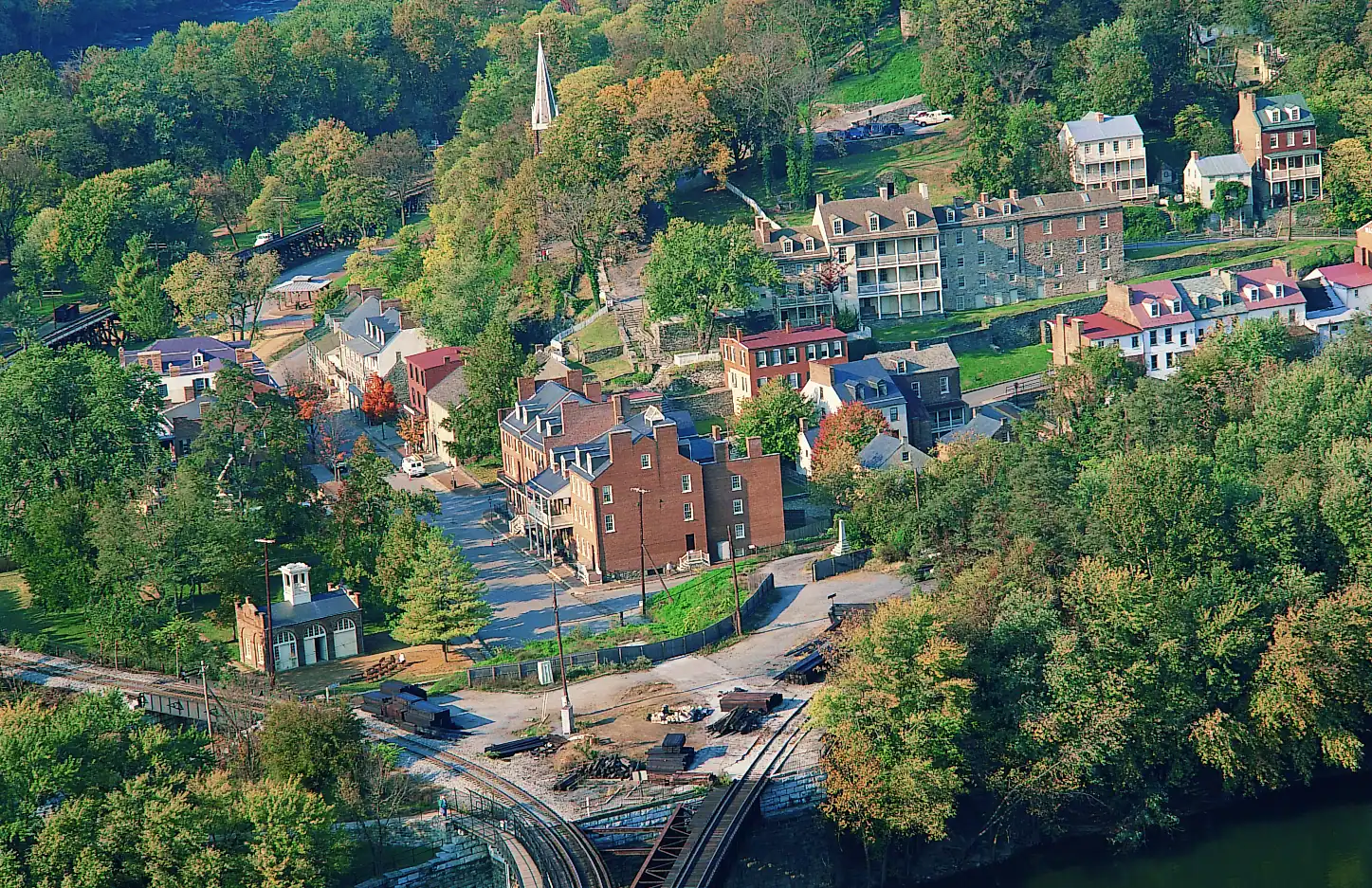
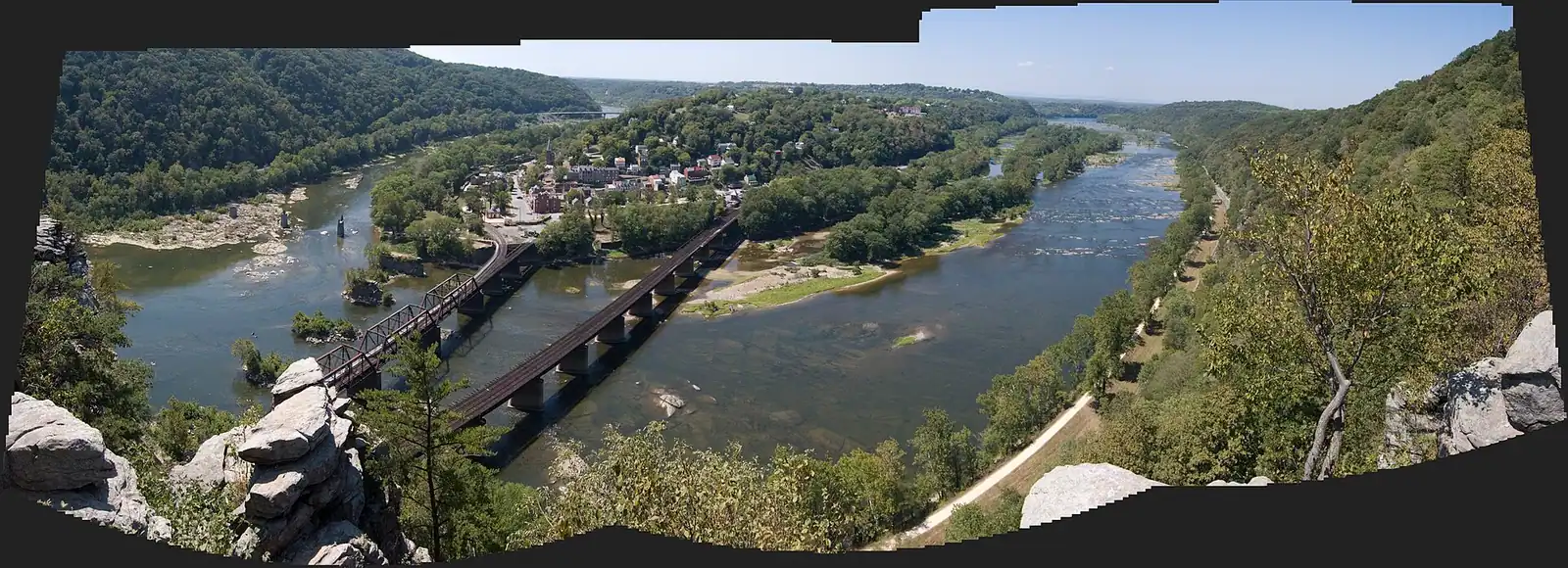
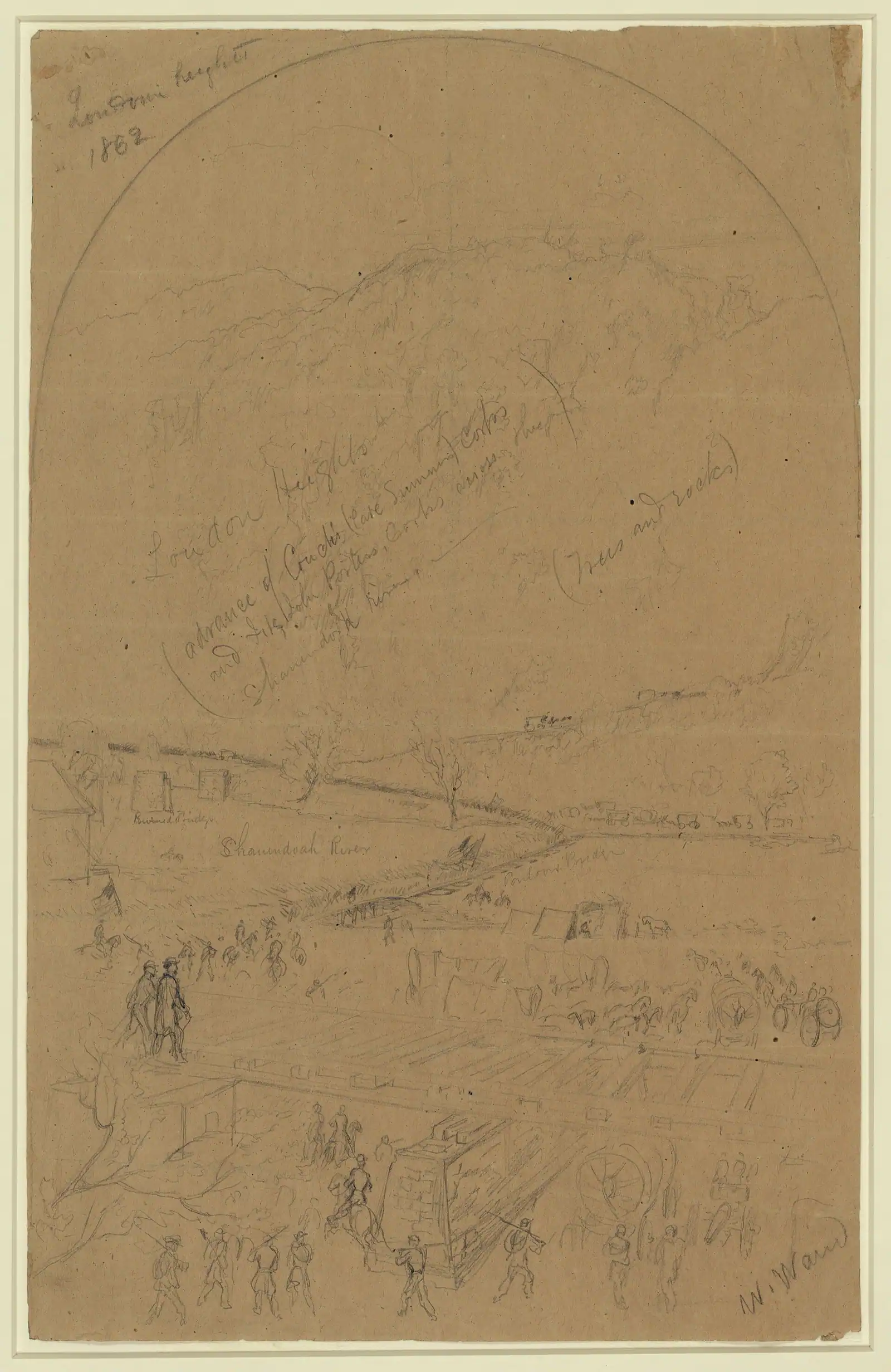
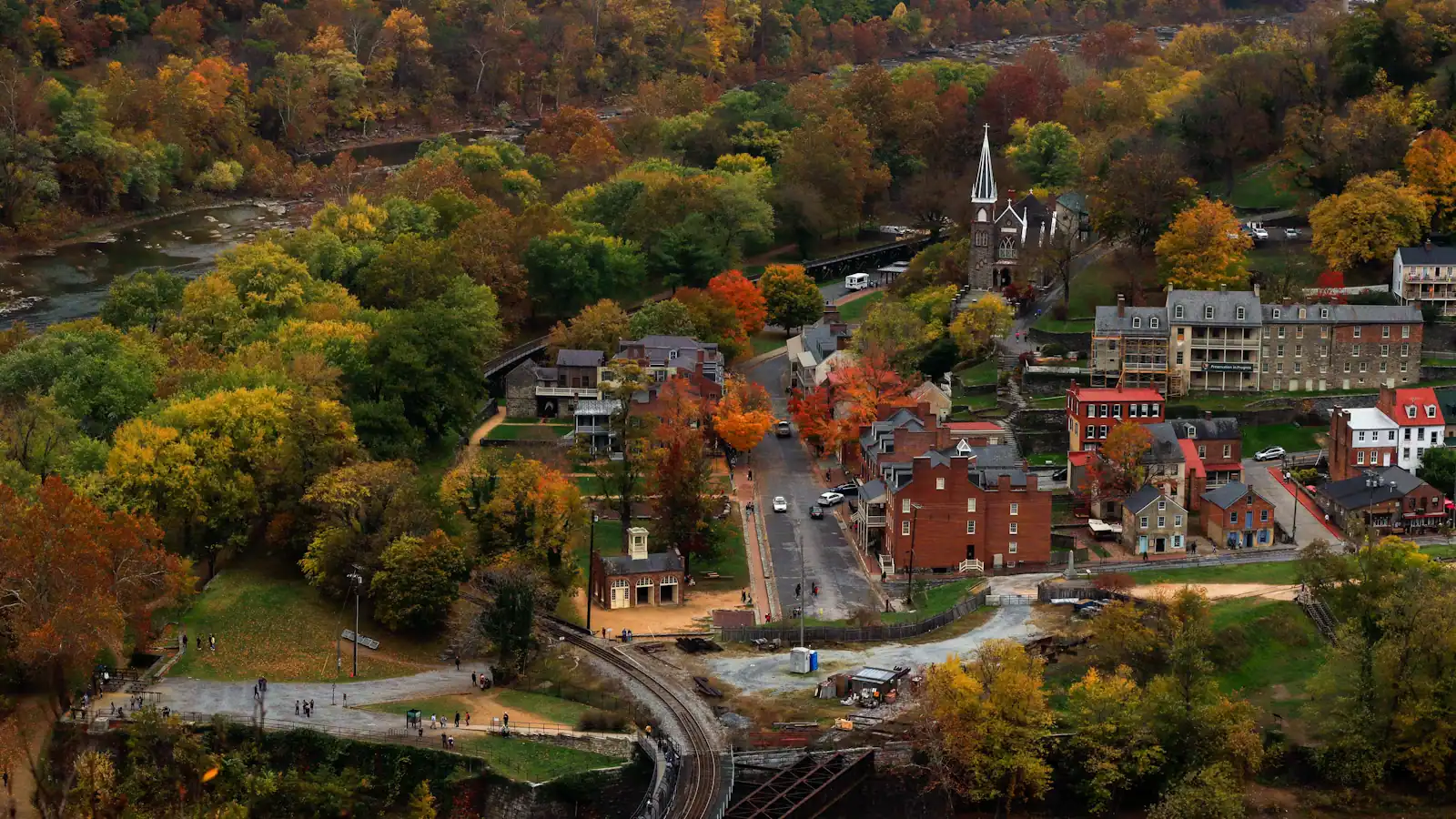
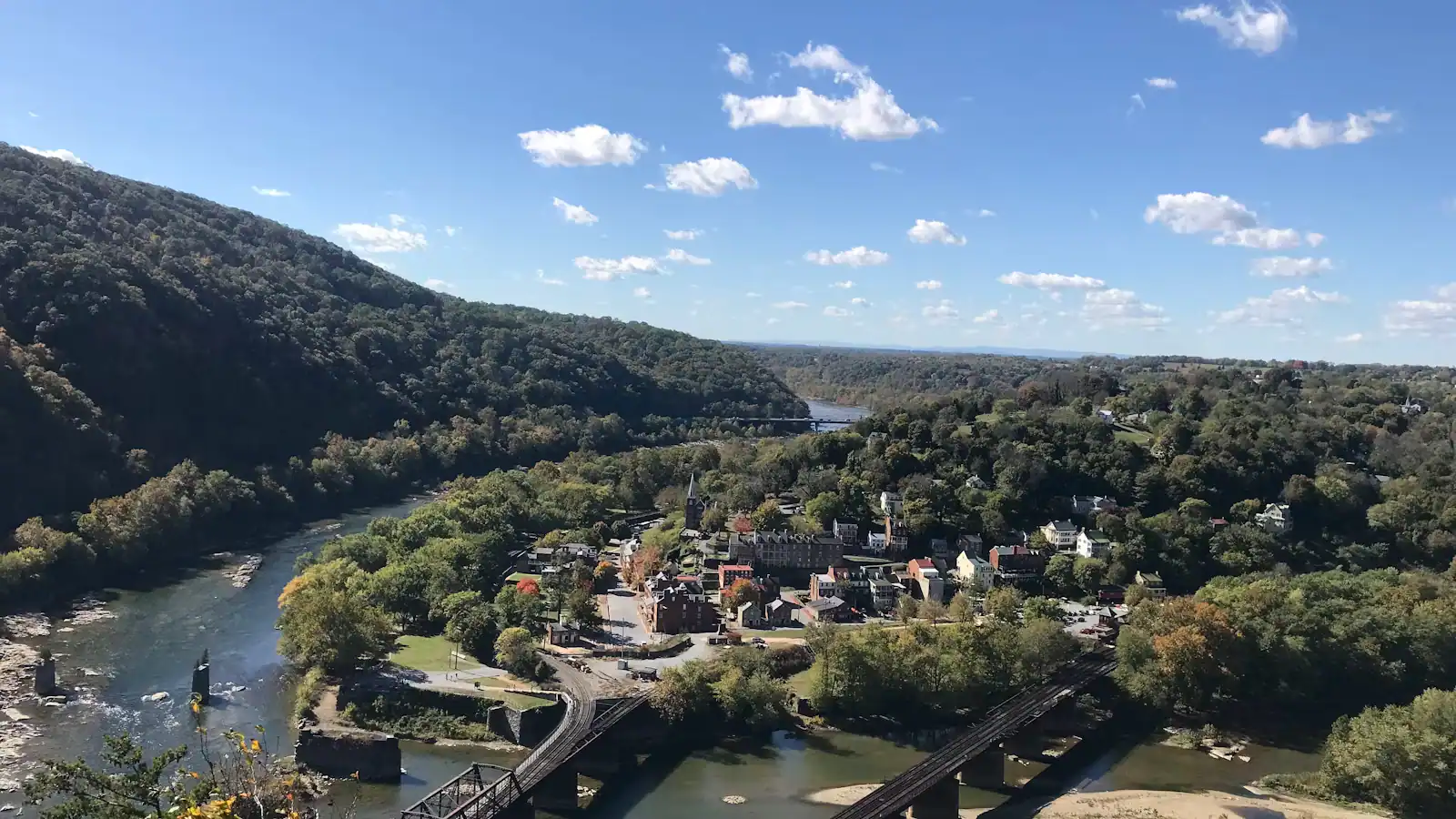
Start with the shape. The lower town occupies a wedge of flat ground where the Shenandoah runs into the Potomac. Behind and above it the land climbs through High Street to Camp Hill, and above that again to Bolivar. Across the Potomac stands Maryland Heights; across the Shenandoah, Loudoun Heights; behind the town, Bolivar Heights. Nearly all of it — about 3,660 acres spread across West Virginia, Maryland and Virginia — is Harpers Ferry National Historical Park, declared a national monument in 1944 and redesignated a historical park by Congress in 1963. One entrance fee covers the lot.
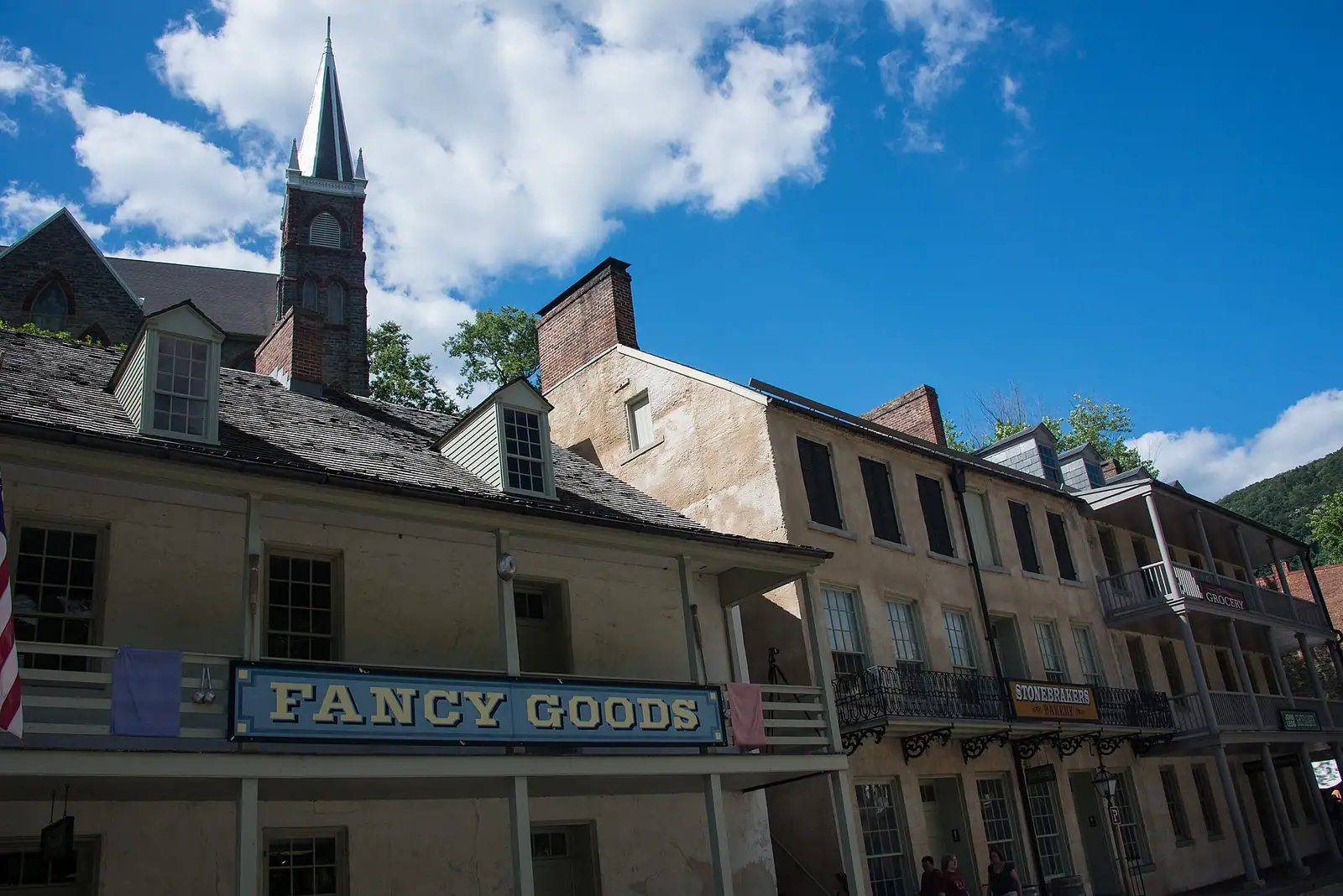
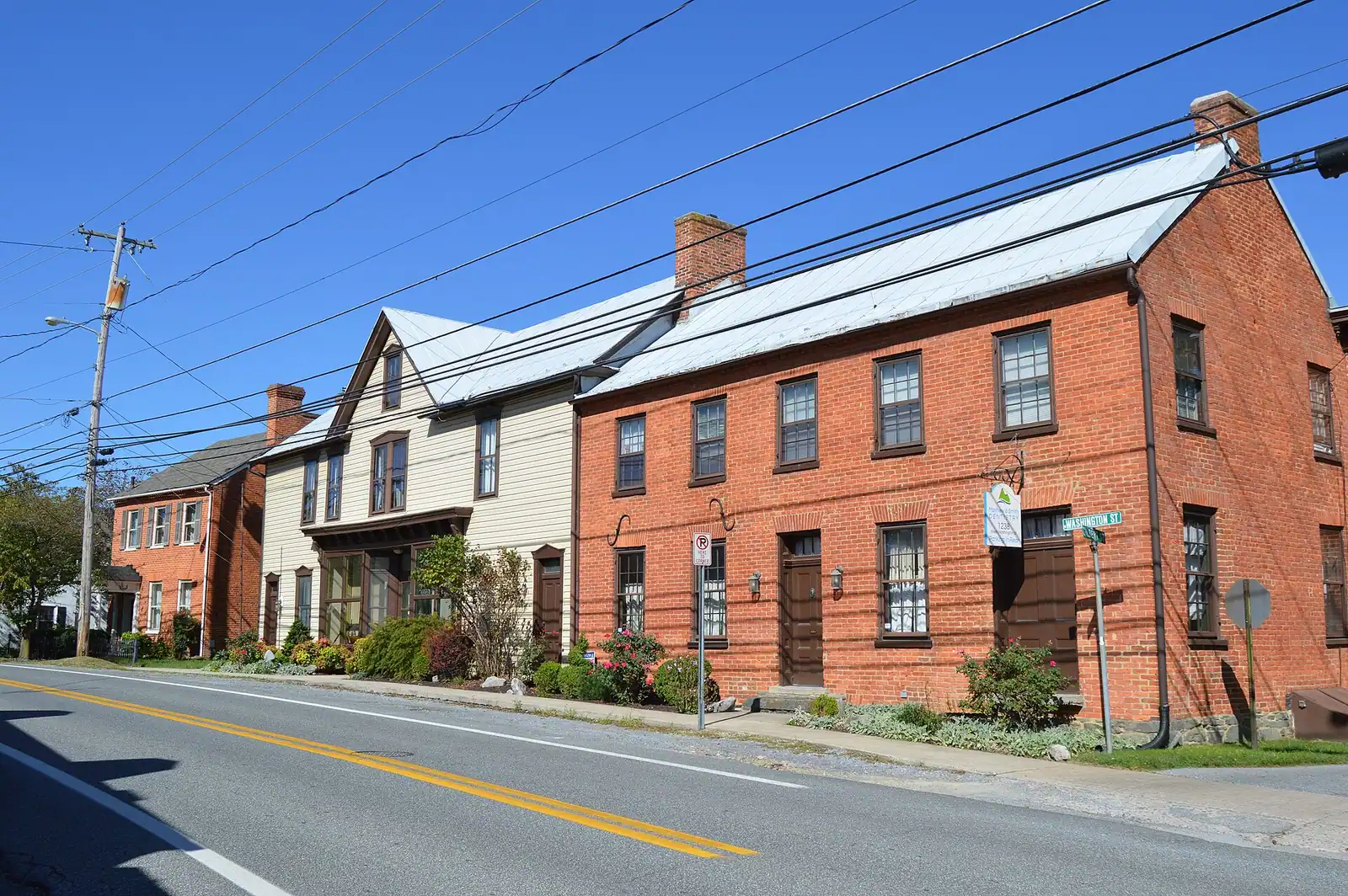
What that means in practice is unusual. The exhibit buildings are not separate ticketed attractions; they are rooms in a preserved commercial block, most of them free to walk into once you are inside the park, most of them a fifteen-minute visit. There is no queue for a headline building because the headline building is a one-room fire engine house. The park recorded 407,008 visits in 2022, which for a town of 269 residents is a ratio that explains both the shuttle and the residents' patience.
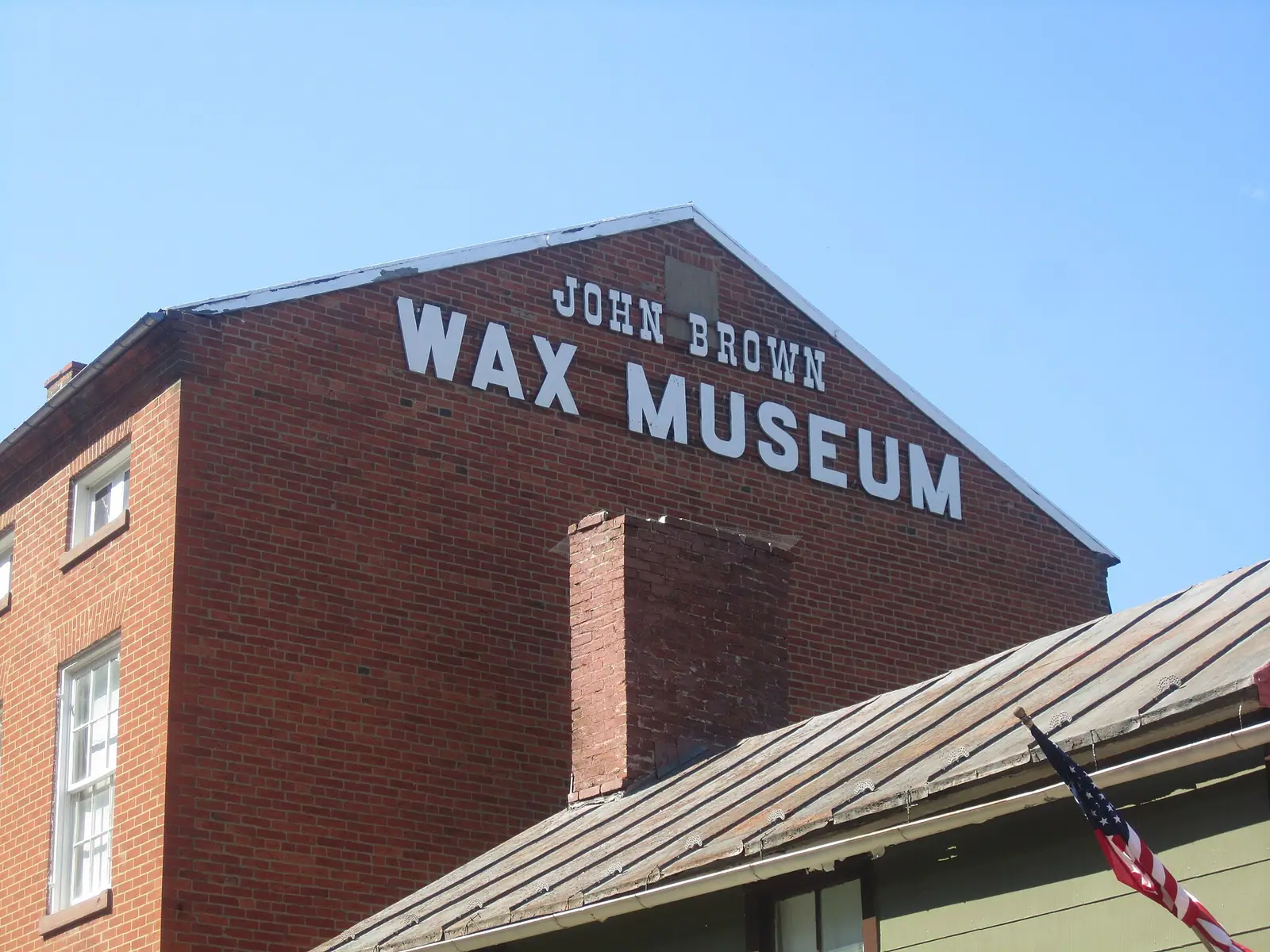
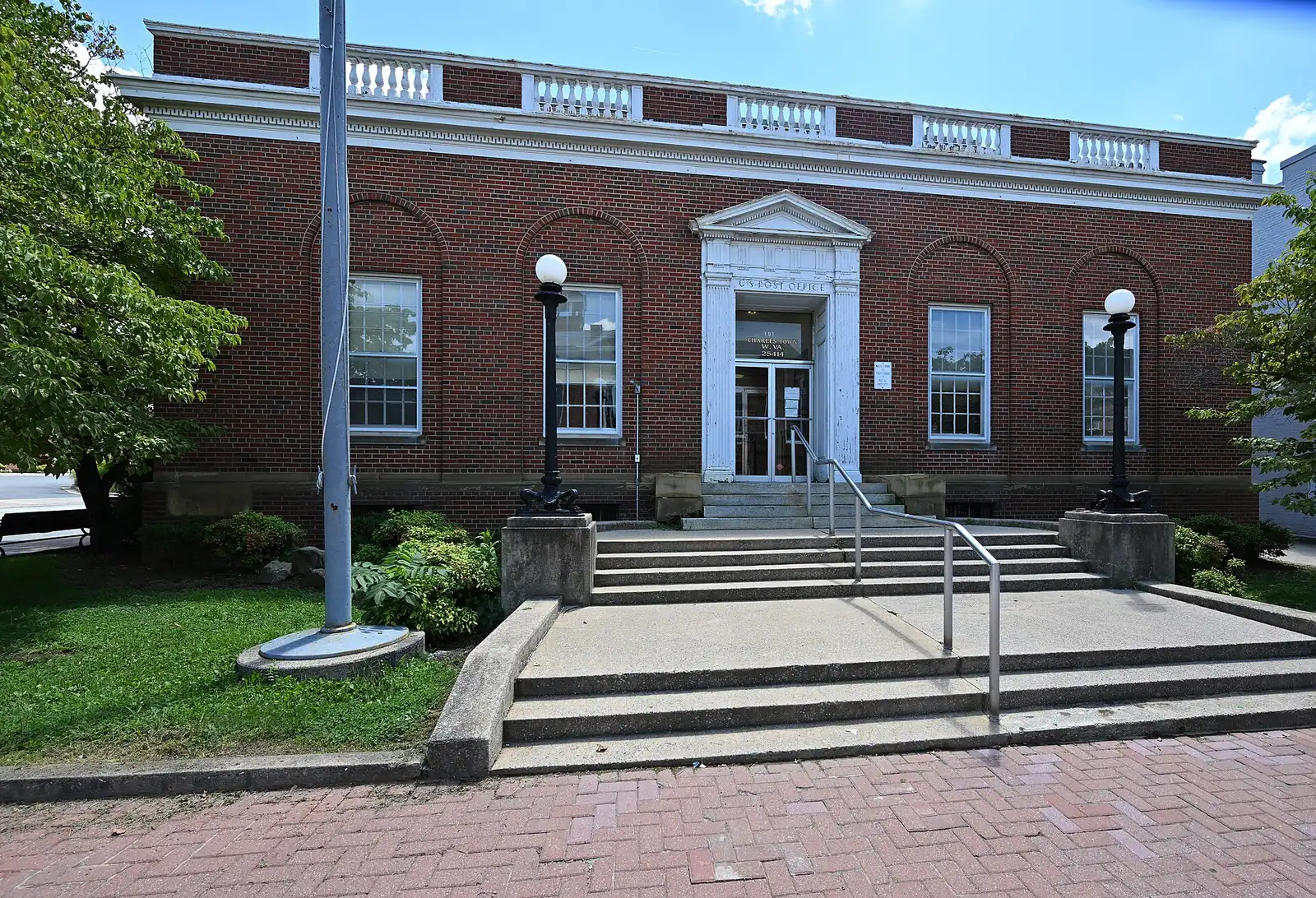
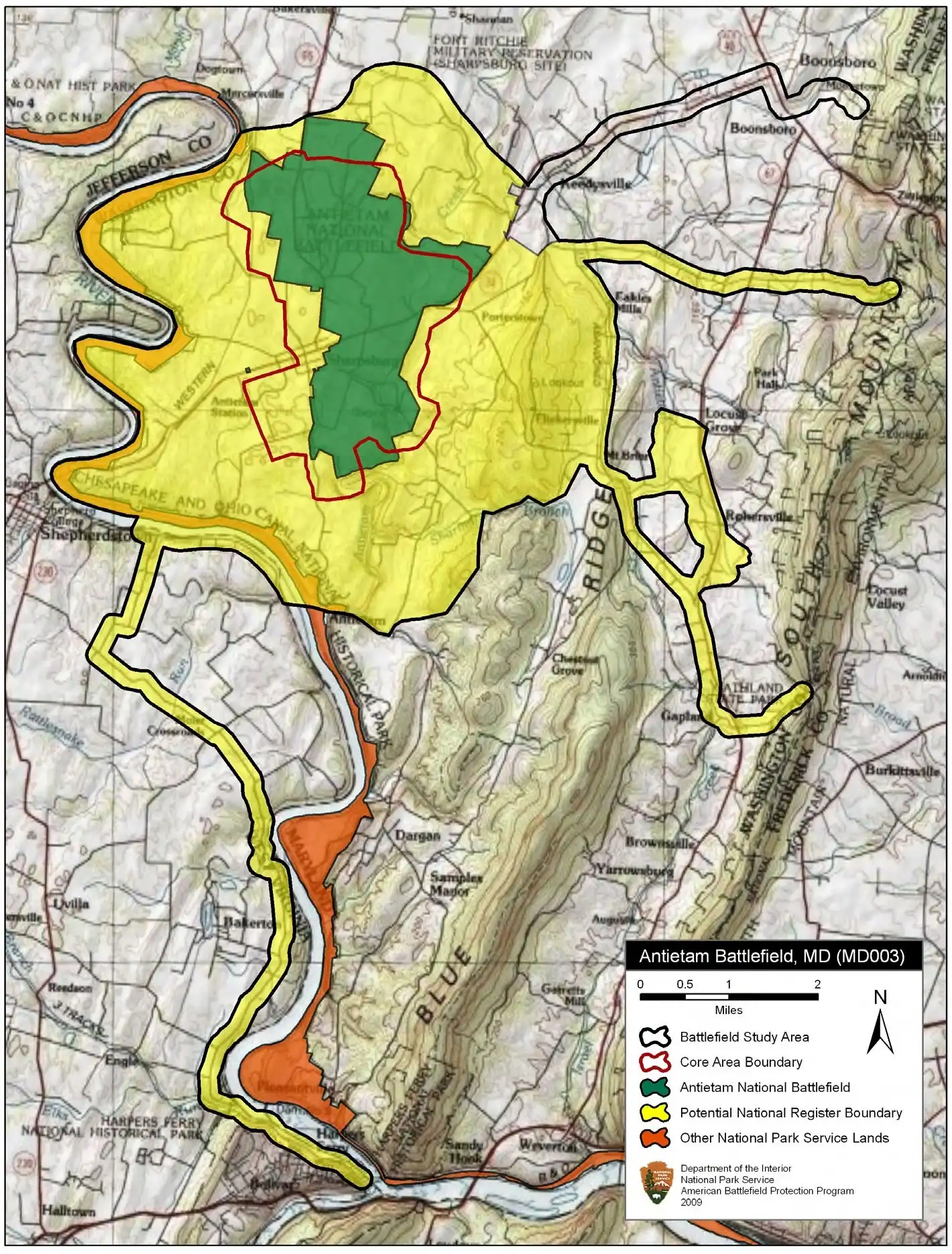
Three kinds of place sit on this page. There are the buildings and sites inside the park, which is most of it. There are the handful of privately run attractions and the Appalachian Trail Conservancy, which are in the town rather than the park and keep their own hours. And there are the entities just beyond the county line — Antietam, Shepherdstown, Charles Town — which are close enough that a second half of a day is the sensible way to use them.
A word on names, because they trip people up in search and on the ground. A good half of what is worth seeing here is not a building at all: the Point is a paved corner of land, Camp Hill is a hill with a path along it, Virginius Island is a wood with foundations in it, and Bolivar Heights is a field with a view. The park signs them by their historic names rather than by anything a visitor would guess, so if you are looking for something and cannot see it, you are probably standing on it. Likewise, "Lower Town" is the park's own term for the historic core and appears on every sign and shuttle announcement, while the town's residential streets above it are simply Harpers Ferry and Bolivar.
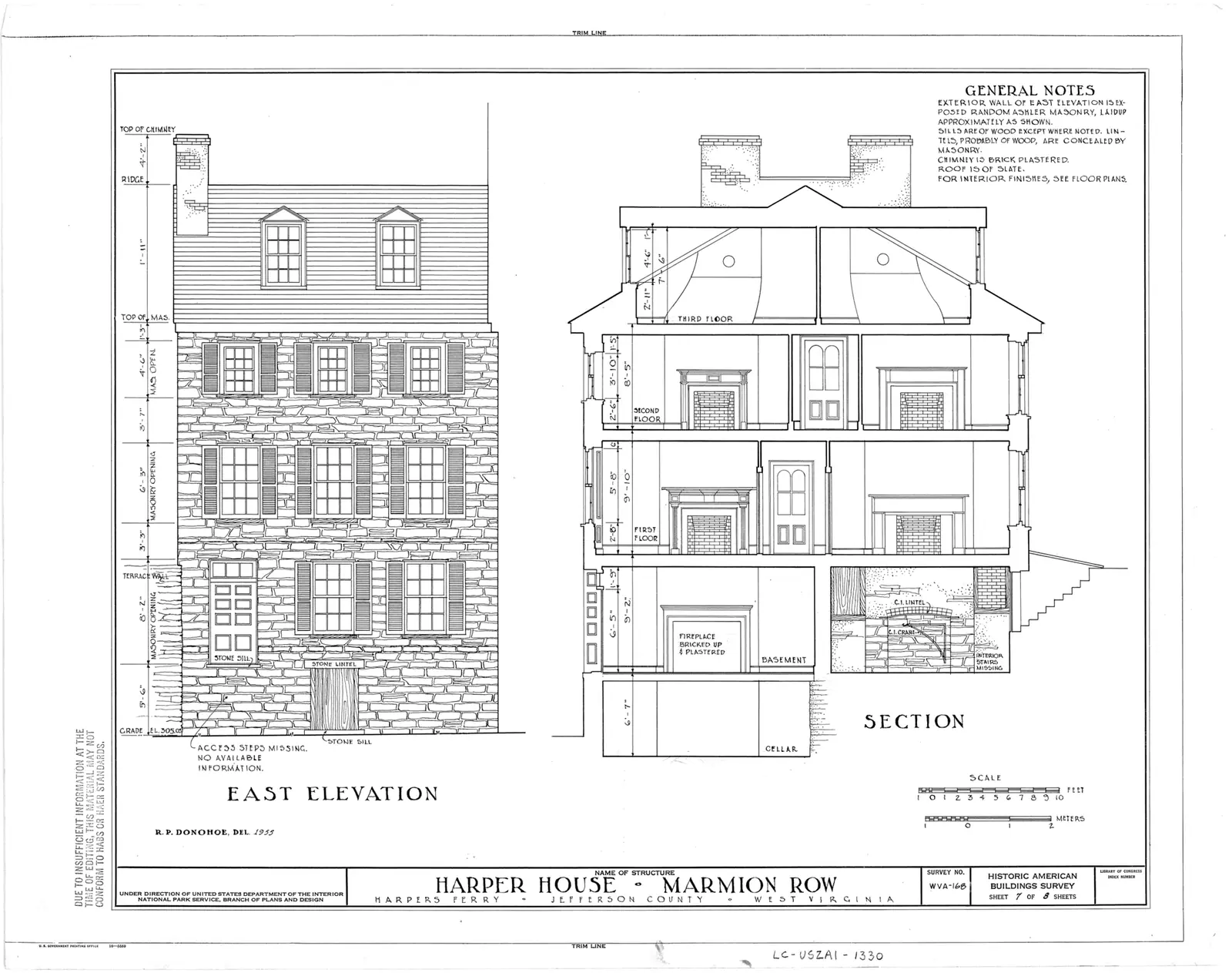
One caveat, stated up front rather than buried. Several lower-town exhibit spaces were listed closed as this page was last checked in September 2026, among them Harper House, the Civil War Museum, the Master Armorer's Quarters and the Black Voices exhibit, and the footbridge over the Potomac was closed for stairway construction. Closures here are normal rather than exceptional — this is a small park in a flood-prone gorge with nineteenth-century buildings in it — so treat any specific interior as something to confirm on the day, and treat the outdoors as the reliable part.