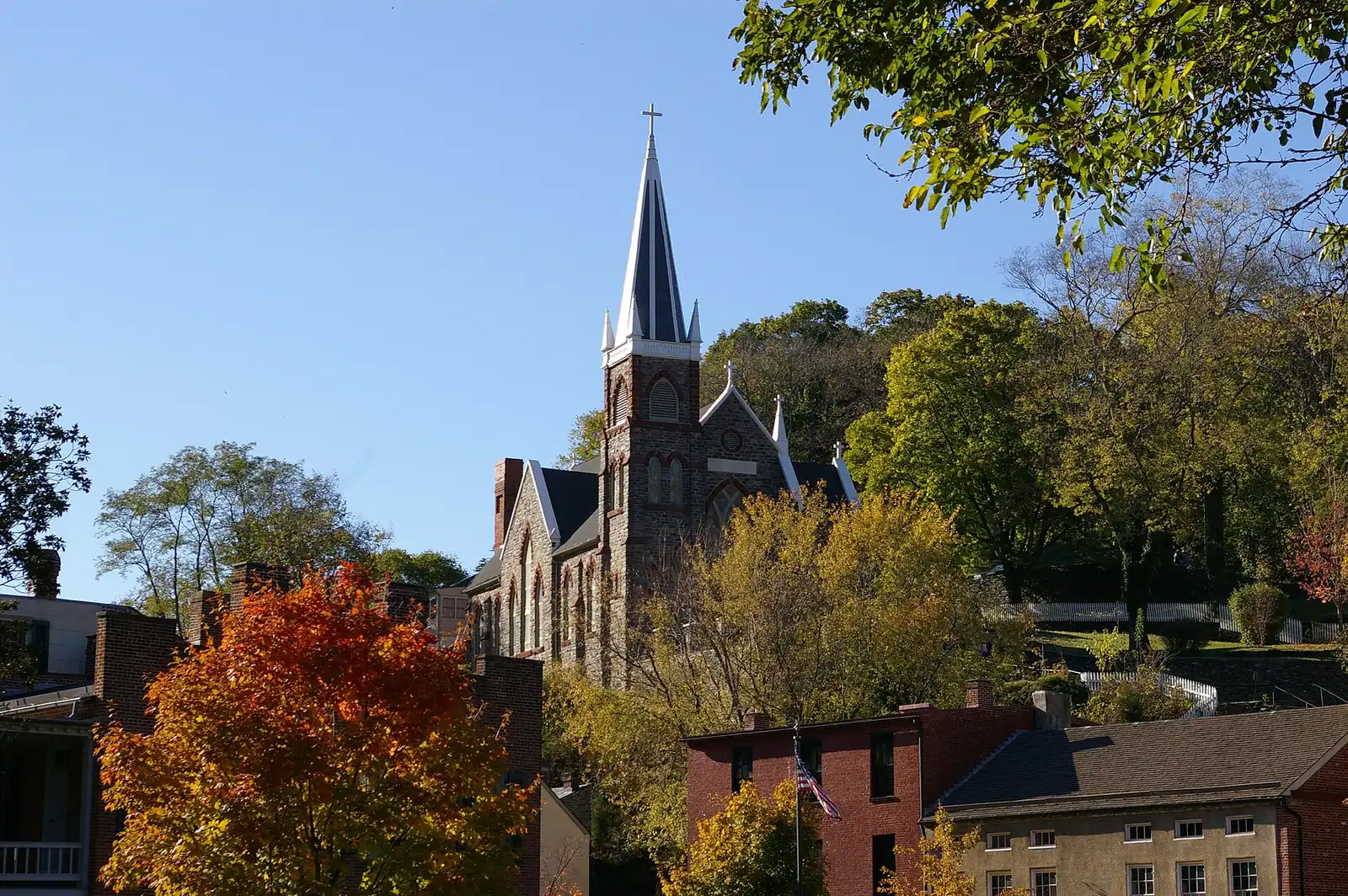
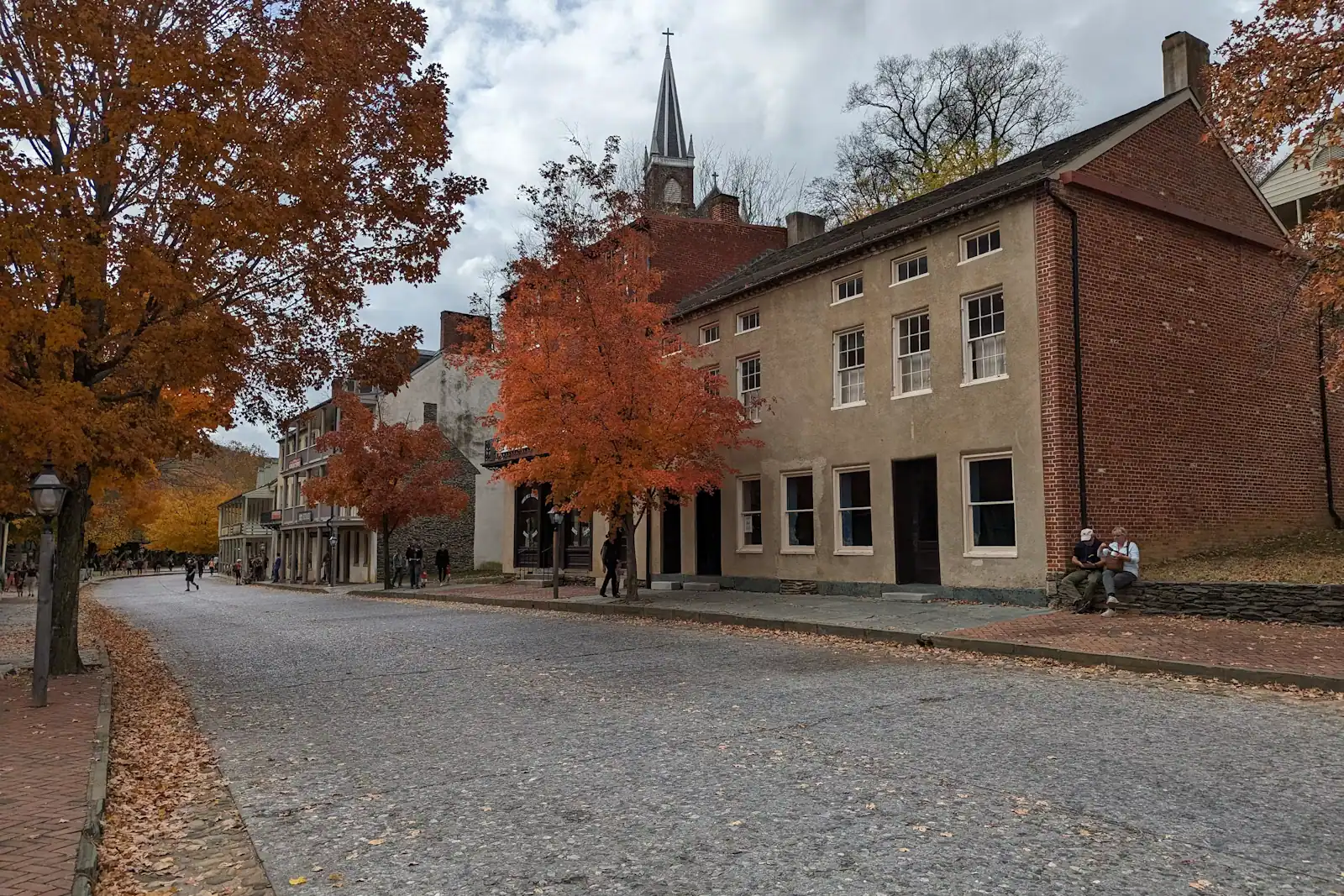
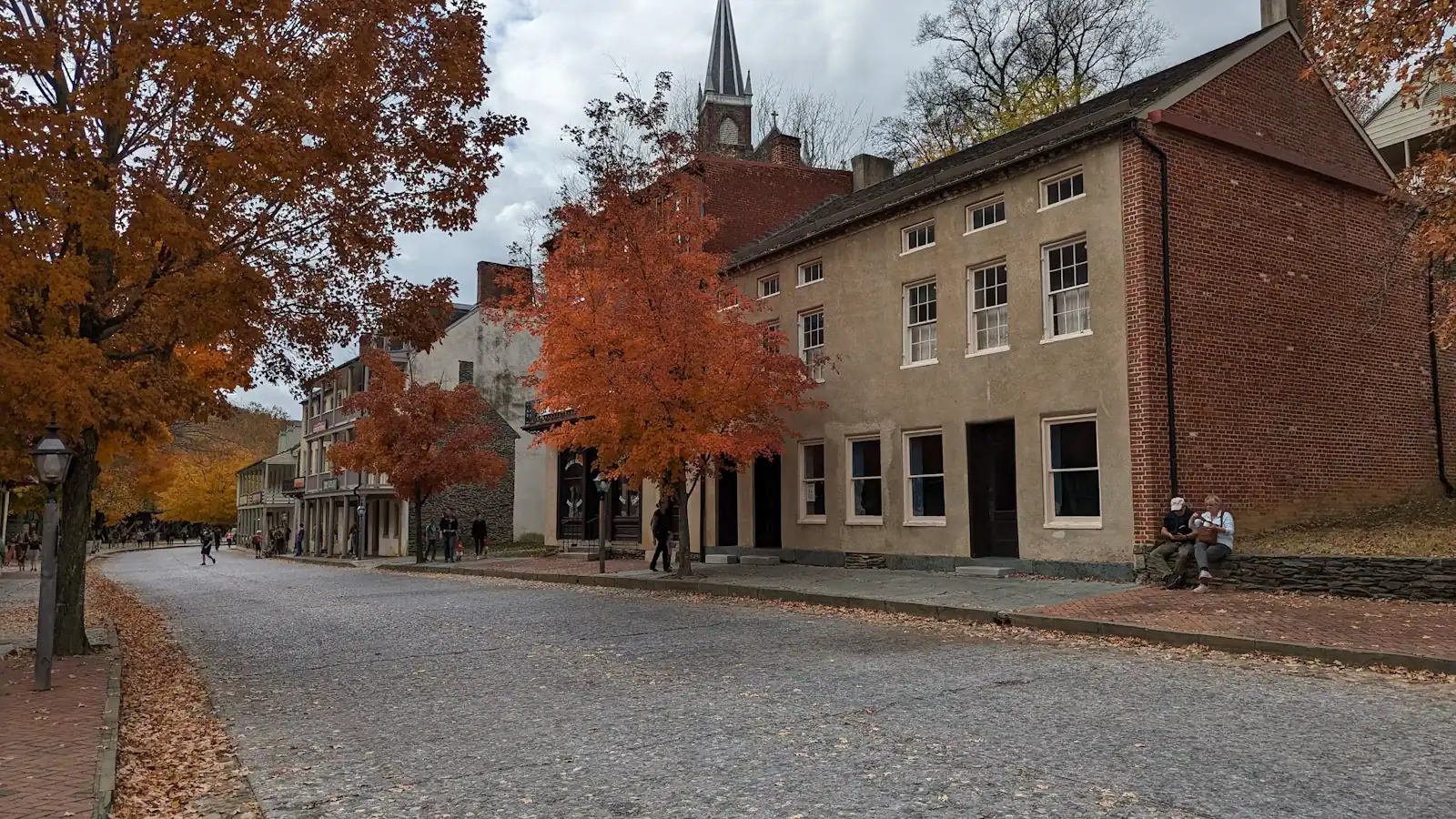
Closed for repairs. The park listed Harper House among four lower-town exhibit spaces shut for work in late September 2026, so plan on seeing the outside only until the park says otherwise. That matters here more than it would elsewhere, because the house sits up on Marmion Row, a climb from Shenandoah Street, and nobody wants to make that climb for a locked door.
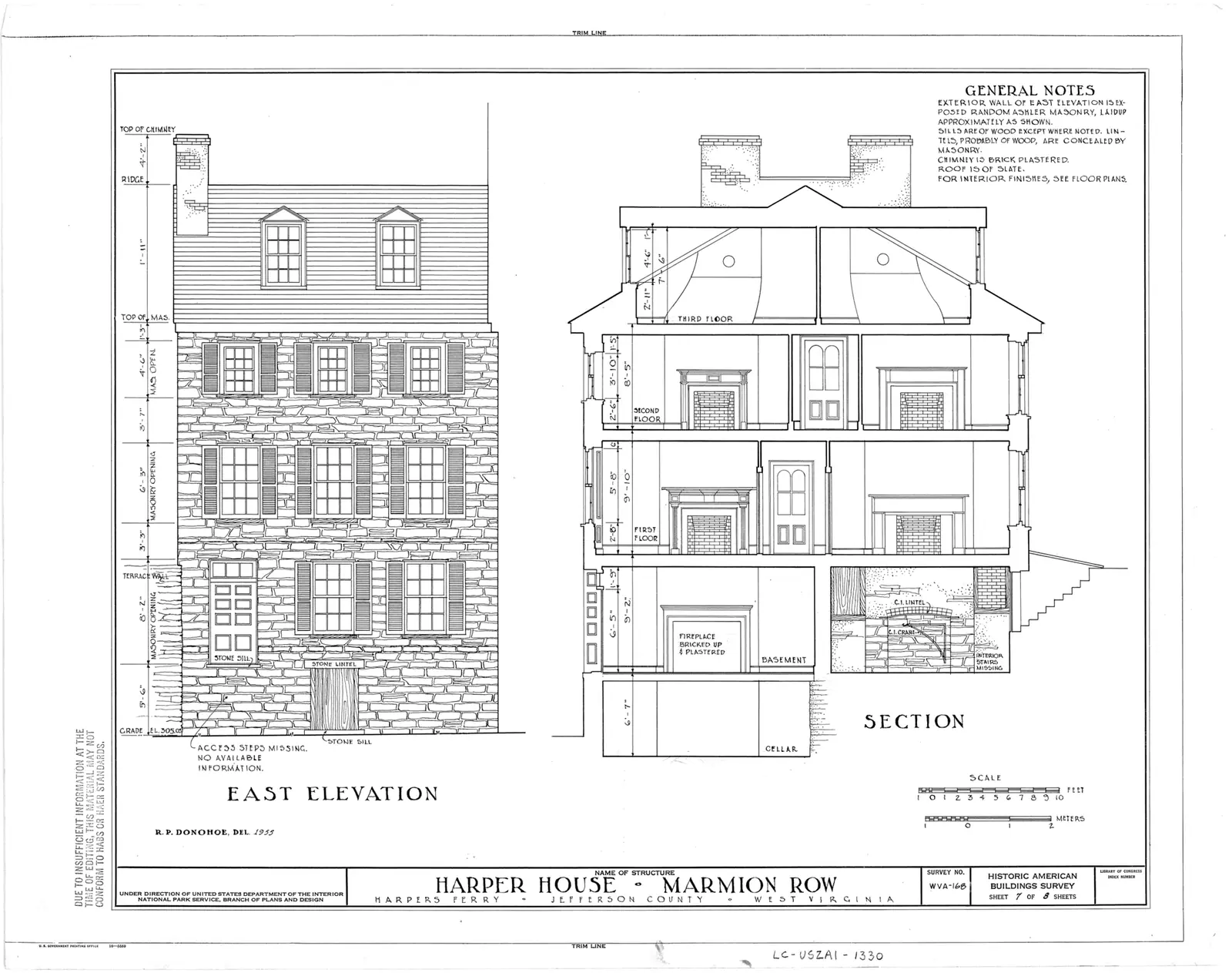
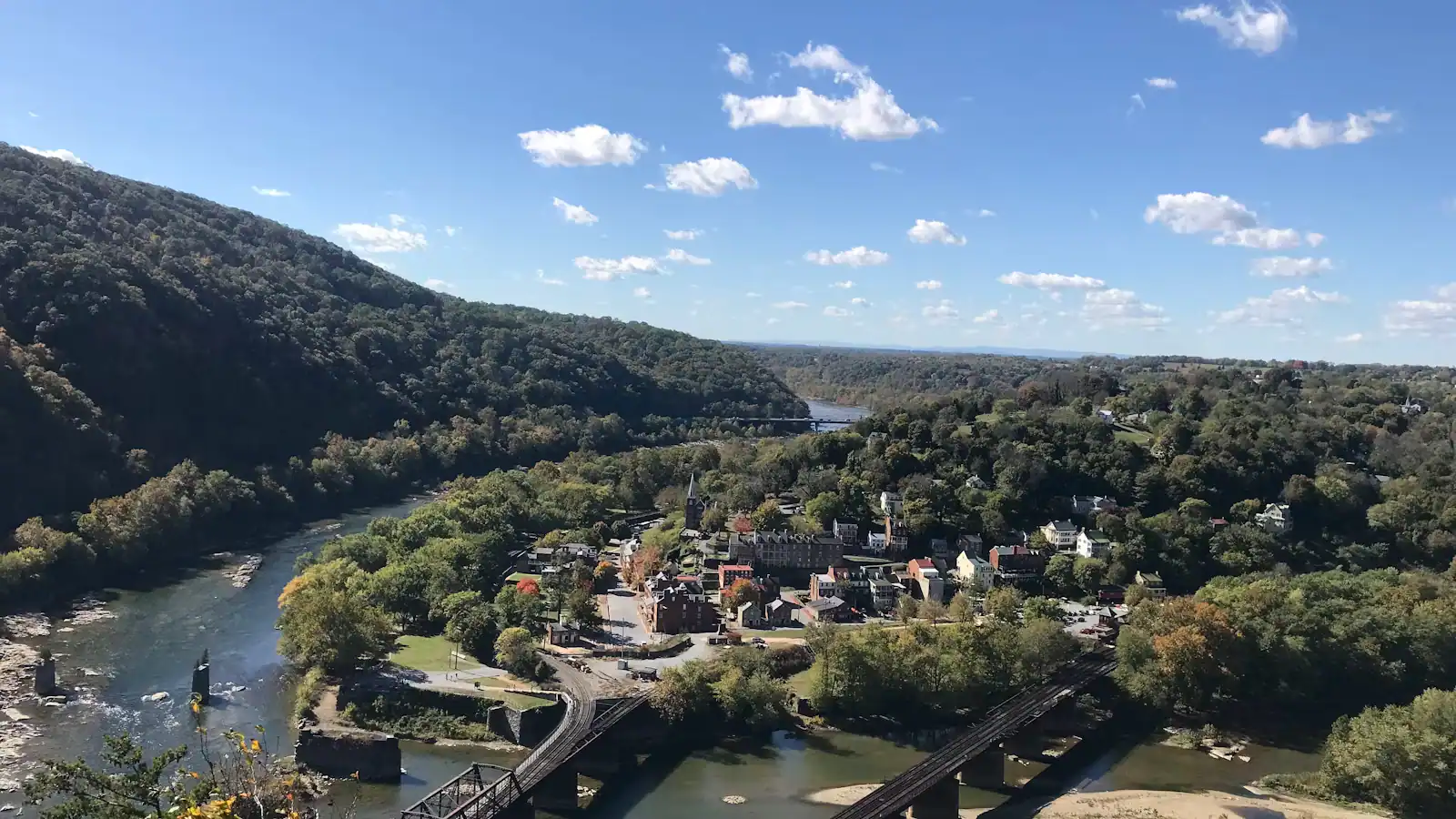
What it is, is the oldest surviving structure in Harpers Ferry and the reason the place has the name it does. Robert Harper was a Pennsylvania millwright, born in 1718, who came south to build a church and instead bought a ferry. In 1747 he paid a squatter named Peter Stephens thirty guineas for the rights to the crossing at the confluence. In 1751 he bought 126 acres from Lord Fairfax, and in 1761 the Virginia legislature granted him formal ferry rights. Everything downstream of that — the armoury, the raid, the surrender, the national park — follows from one man's decision that this was a place worth charging people to cross.
He started the stone house in the later 1770s and did not finish it. Harper died in October 1782 and is buried in the cemetery on the hill above, where the ground gives you the view he presumably had in mind. The house was completed after his death.
Its survival is the interesting part, and the reason is unglamorous. Once the federal armoury opened — construction began in 1799 on land bought from Harper's heirs, and the works turned out more than 600,000 firearms between 1801 and 1861 — the town filled with workers who needed somewhere to live. The house was subdivided into apartments and rented out. Being a tenement is what carried it through a century in which almost everything around it was burned, shelled, flooded or demolished. Grand buildings get destroyed. Useful ones get patched up and let.
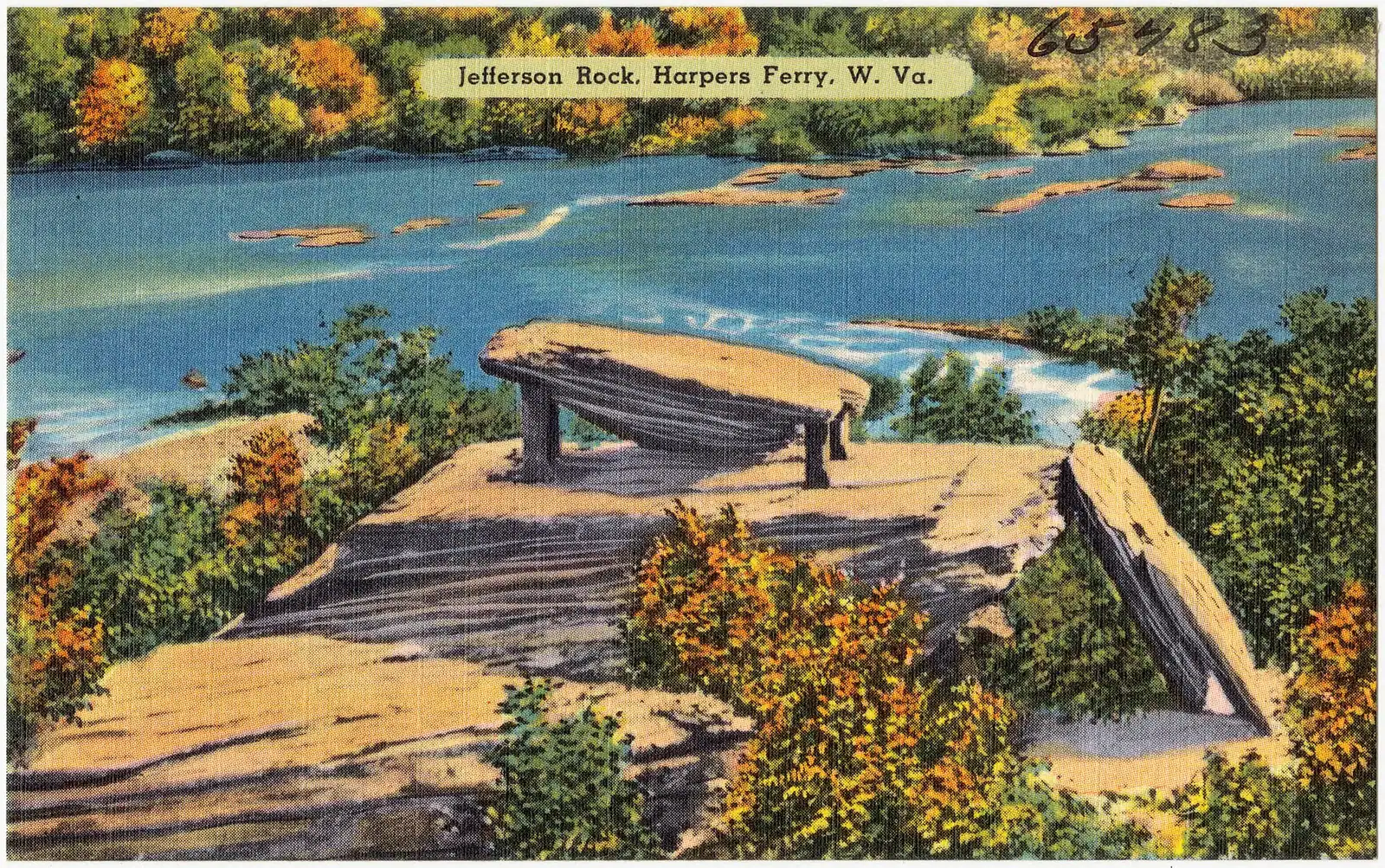
Tradition holds that George Washington stayed here, and that Thomas Jefferson lodged in the town on his 1783 visit. Both stories are old, both are repeated everywhere locally, and neither is firmly documented.